
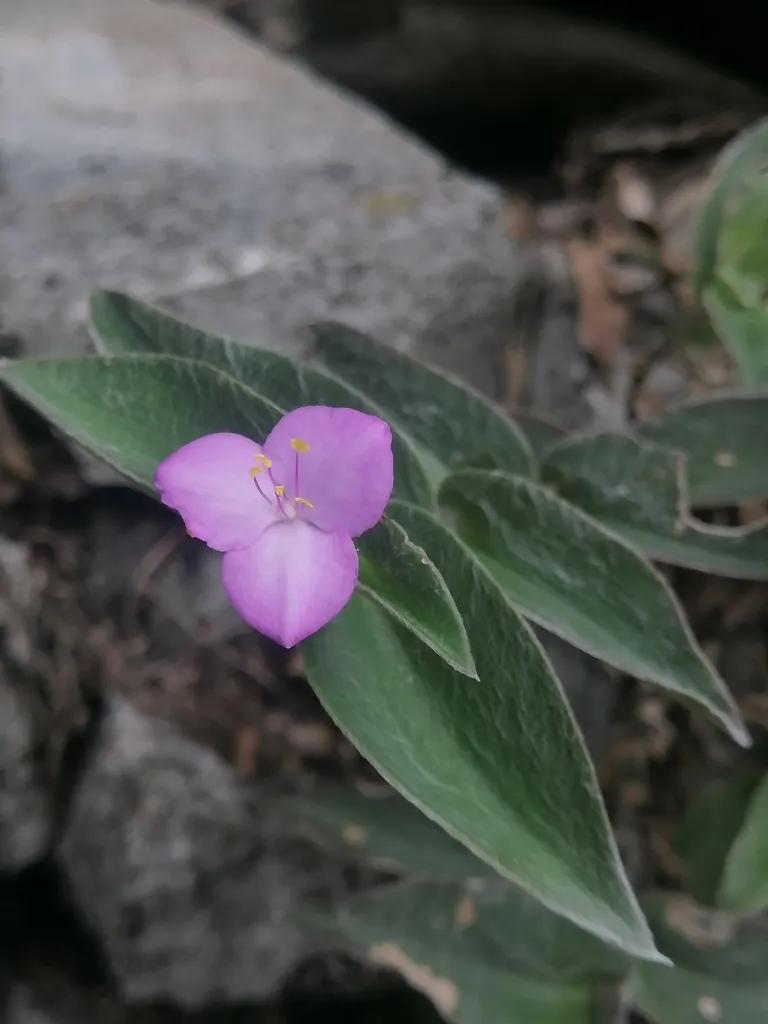



white velvet

white velvet · Temperature

white velvet · Tradescantia sillamontana
Also known as: white gossamer

White velvet is characterized by its succulent leaves and adaptability to various indoor conditions. Key care requirements include thorough but infrequent watering to ensure a well-draining soil can dry out between sessions, and placing white velvet in bright, indirect light to promote dense foliage growth. Special care should be taken to avoid overwatering, which can lead to root rot. Manageable for beginners, white velvet is forgiving and thrives with minimal intervention.

Watering: Moderate regular watering, allowing brief slight drying between soakingsSunlight: Full sun · Partial shadeSkin allergen. Wear gloves and other protective equipment when handling

What Is the Ideal Temperature Range for white velvet?

White velvet exhibits significant resilience to temperature variations. It can endure cold temperatures as low as 0℃ (32℉) and withstand heat up to 43℃ (109℉). This wide temperature tolerance facilitates its adaptability across various climates but necessitates protective measures during extreme weather. In cold conditions, white velvet may show signs of frost damage, such as wilting and browning of leaves, while overheating can cause scorched or droopy leaves. To ensure its well-being, shelter white velvet from frost using covers and provide shade or increased watering during heatwaves. Its robust temperature tolerance makes it suitable for diverse environments, enhancing its ease of care.

PlantCare

Your Ultimate Guide to Plants

Identify, grow and nurture the better way!

PlantCare plant identification and care illustration
PlantCare

Botanist in your pocket

Scan to download PlantCareDownload on the App Store

Scan the QR code with your phone camera to download the app