



Planting and Growing white velvet

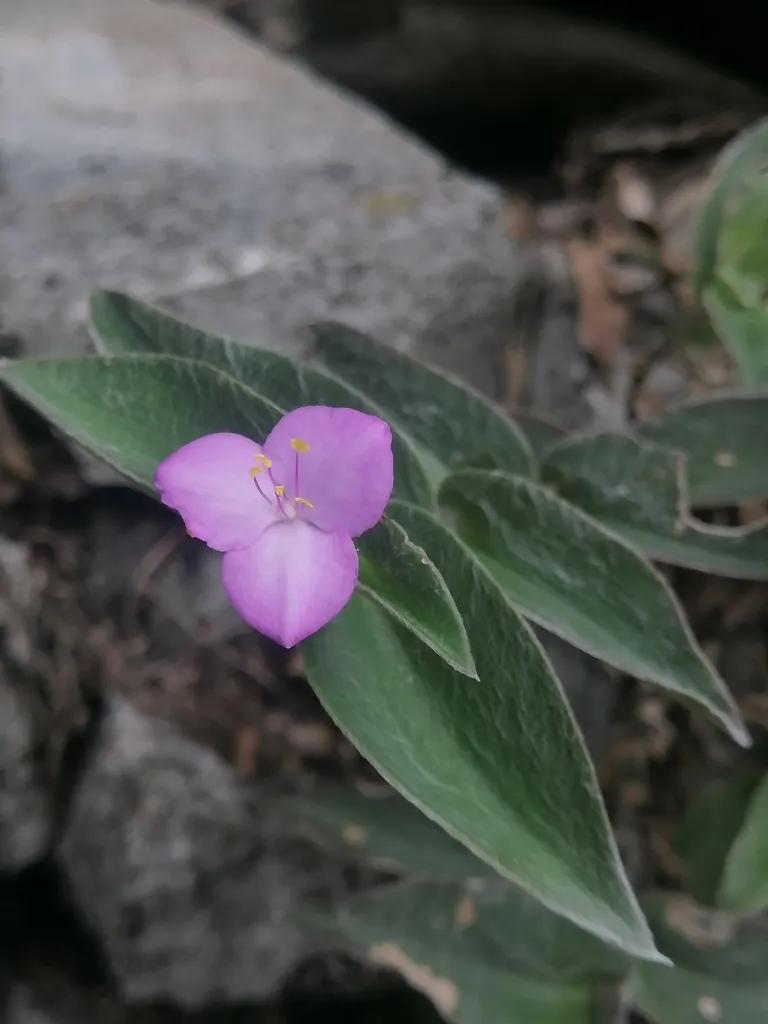
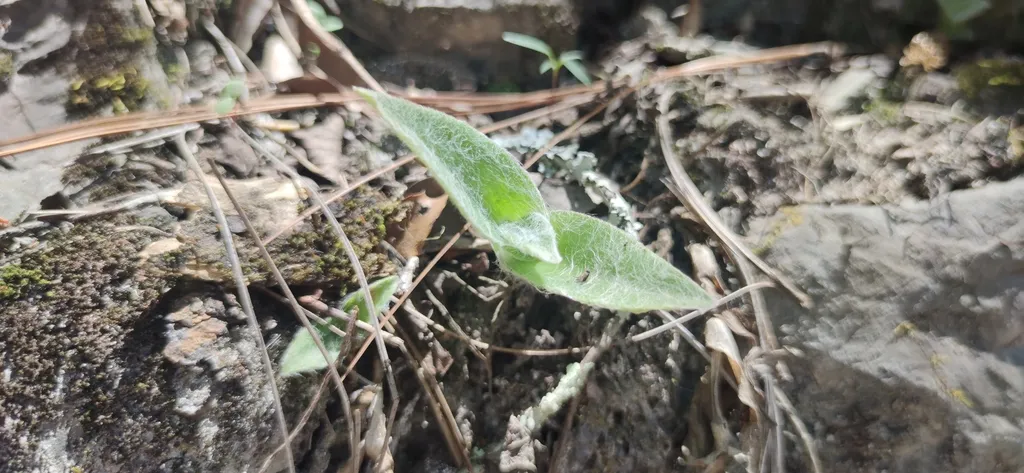
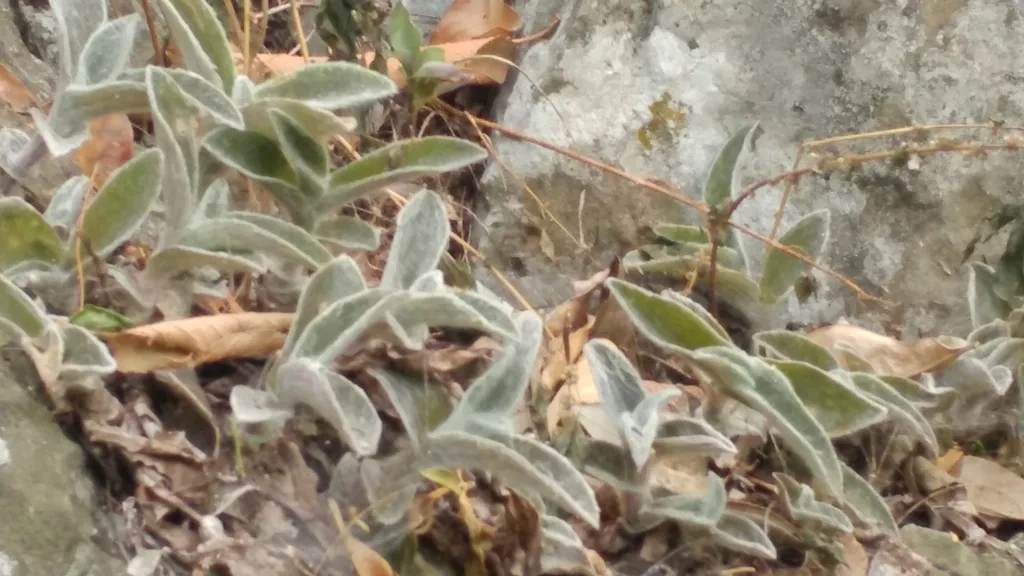
| Care difficulty | 2 / 5 |
|---|---|
| Watering schedule | Moderate regular watering, allowing brief slight drying between soakings |
| Sunlight requirements | Full sun · Partial shade |
| Ideal temperature | 18 – 27 °C |
| Soil type | Loam · Sand |
| Soil pH | Acid · Alkaline · Neutral |
| Soil moisture | Moist but well drained |
| Fertilizing | Balanced perennial feed every four weeks from spring through summer |
| Toxicity | Skin allergen. Wear gloves and other protective equipment when handling |
How to Water white velvet?
Originating from arid regions, white velvet has adapted to thrive with minimal moisture, exhibiting a preference for dry conditions. This species maintains its water balance through infrequent watering, necessitating hydration only once every week. Transitioning smoothly from its native habitat's traits, white velvet is drought-tolerant and can sustain periods of low water availability. Typically grown indoors due to its ornamental appeal, white velvet flourishes in well-draining soil that mimics its natural, dry environment.
Learn more →What Are the Sunlight Requirements for white velvet?
White velvet flourishes under full sun, with its optimal growth and flowering potential being realized when provided with an abundance of light. This plant can tolerate partial sun, still sustaining growth but with possibly reduced vigor and sparse flowering. Deviations from these light conditions may result in legginess and diminished health. Adaptive traits such as leaf adjustments protect white velvet from excessive light intensity. Indoors, it thrives near sunny windows. Outdoors, white velvet prefers locations that receive several hours of direct sunlight. Careful placement facilitates well-being and the distinctive beauty of its foliage.
Learn more →What Is the Ideal Temperature Range for white velvet?

White velvet exhibits significant resilience to temperature variations. It can endure cold temperatures as low as 0℃ (32℉) and withstand heat up to 43℃ (109℉). This wide temperature tolerance facilitates its adaptability across various climates but necessitates protective measures during extreme weather. In cold conditions, white velvet may show signs of frost damage, such as wilting and browning of leaves, while overheating can cause scorched or droopy leaves. To ensure its well-being, shelter white velvet from frost using covers and provide shade or increased watering during heatwaves. Its robust temperature tolerance makes it suitable for diverse environments, enhancing its ease of care.
Learn more →What Soil Is Best for white velvet?
White velvet thrives in well-draining soil to prevent root rot. A suitable mix is equal parts succulent & cactus soil with coarse perlite or pumice for added aeration. In the absence of succulent mix, combine regular potting soil with sand and perlite. Periodically, mix in a slow-release fertilizer as per the product instructions to encourage growth without over-feeding. Ensure pots have drainage holes to maintain soil health.
- Soil type
- Loam · Sand
- Soil pH
- Acid · Alkaline · Neutral
What Are the Moisture Requirements for white velvet?
Moist but well drained
Learn more →How to Fertilize white velvet?

Fertilize white velvet every 4-6 weeks during active growth with a balanced, high-nitrogen liquid fertilizer diluted to half strength. This boosts foliage health and supports robust growth. In winter, reduce feeding to once every 8-10 weeks as growth slows. Always water white velvet before applying fertilizer to avoid root burn. Adjust quantities as white velvet matures; less is more for younger plants. Use caution to prevent fertilizer build-up which can harm white velvet's delicate roots.
Learn more →How to Prune white velvet?

White velvet, known for its distinctive fuzzy leaves, thrives with regular pruning. Optimal timing is in early to late spring, coinciding with its growth cycle. Key techniques include removing dead or damaged leaves and pinching back leggy stems to promote bushier growth. Benefits of pruning white velvet include enhanced air circulation, increased light penetration, and a more aesthetically pleasing appearance. Consistent pruning helps maintain plant health and vigor. Always sterilize tools to prevent disease spread.
Learn more →How to Propagate white velvet?

Belonging to the spiderwort family, white velvet is a perennial, succulent plant. It's known for its characteristic fuzzy, white foliage that lends it an attractive, velvety appearance. Gardeners typically propagate white velvet through cuttings, a practical choice given its accommodating growth habit. A cutting should include a few leaves and can be rooted in soil or water, with soil being the preferred medium due to the plant's succulent nature. Rooting generally takes a few weeks, after which the young white velvet can be transplanted to its final location where it will thrive with minimal care.
Learn more →How to Transplant white velvet?
Transplanting white velvet is best done from early spring to late spring, as well as late fall to late winter, for optimal growth. Position white velvet in well-draining soil with partial to full sun exposure. Remember to space the plants adequately to encourage healthy development.
Learn more →How to Care for white velvet in Winter?

White velvet hails from the arid landscapes of northeastern Mexico, readily embracing cold climates with its dense, white woolly foliage; a sublime winter adaptation. When cultivated, ensure it receives bright, indirect light and has excellent drainage to mimic its native arid conditions. Let the soil dry out between waterings, decrease feeding, and protect white velvet from temperatures below 30°F for optimal winter care.
Learn more →How to Plant white velvet?
Indoors-potted: Thriving in a cozy corner, white velvet appreciates being away from drafts which can cause leaf loss. Outdoors-potted: White velvet, when kept outdoors in pots, requires occasional rotation to maintain its striking foliage symmetry. Outdoors-in the ground: In garden soil, white velvet's drought tolerance makes it a low-maintenance outdoor gem, but excessive rain can be harmful.
Learn more →How to Repot white velvet?
For white velvet, a fuzzy, succulent ground cover, repot every 2-3 years in spring to accommodate growth. Choose a pot 1-2 inches larger in diameter to allow room without overwatering risk. A well-draining container promotes healthy roots. Afterward, provide bright, indirect light and resume watering once the soil is dry to touch for successful acclimatization.
Learn more →How to Harvest white velvet?

The white velvet flowers in the summer or early fall. It can be harvested at this time too by drying the flowers in the sun to retain their original bright color. The whole grass can also be cut for use as a medicine.
Learn more →Common Pests & Diseases

Diseases
Generally disease-free
Pests
May be susceptible to red spider mite, mealybugs, aphids, vine weevil and thrips
Explore the plant health library →Troubleshooting
Leggy Stems, Sparse Flowering, or Root Rot
white velvet (Tradescantia sillamontana) performs best in well-drained soil with appropriate sunlight and regular deadheading; soggy soil rots roots, while low light or skipped pinching causes leggy growth.
| What you notice | Possible explanation | What to check next |
|---|---|---|
| Stems stretch tall and floppy with sparse blooms | Insufficient direct sunlight, lack of early-season pinching/deadheading, or excess high-nitrogen fertilizer | Assess daily sun hours and check whether spent flowers are left to set seed |
| Lower leaves turn yellow and plant wilts while soil stays wet and heavy | Root or stem rot from overwatering or poor drainage (Generally disease-free) | Check soil drainage and ensure containers have open drainage holes |
- Grow in fertile, well-drained soil in full sun or partial shade, spacing plants for good airflow.
- Water consistently without waterlogging: Moderate regular watering, allowing brief slight drying between soakings.
- Maintain compact flowering growth: Pinch growing tips to encourage bushiness and remove plain green foliage.
Stop watering waterlogged containers immediately and improve drainage before fungal root or stem rot spreads.
Powdery Mildew, Grey Mould, or Aphids and Slugs
Crowded foliage, dry root stress, or damp stagnant air can trigger mildew or grey mould on white velvet (Tradescantia sillamontana), while tender shoots attract pests.
| What you notice | Possible explanation | What to check next |
|---|---|---|
| White powdery coating on leaves, or fuzzy grey mold on damp spent flowers | Fungal disease (Generally disease-free) favored by drought stress at the roots or wet, crowded foliage | Inspect lower leaves and spent blooms and check plant spacing |
| Distorted shoot tips with aphids/whiteflies, or ragged holes chewed in young leaves | Common pests (May be susceptible to red spider mite, mealybugs, aphids, vine weevil and thrips) | Check shoot tips, leaf undersides, and damp ground around the crown |
- Water at the base of the plant early in the day rather than overhead, and thin or divide congested clumps in spring or autumn.
- Remove mildewed leaves and faded flowers promptly, and clear plant debris at season's end.
- Manage aphids or whiteflies with a firm water spray or insecticidal soap per label directions, and protect young shoots from slugs.
Protect frost-tender bedding or subtropical perennials indoors or under glass before autumn frosts.
The Toxicity of white velvet
Skin allergen. Wear gloves and other protective equipment when handling