



Planting and Growing small-leaf spiderwort

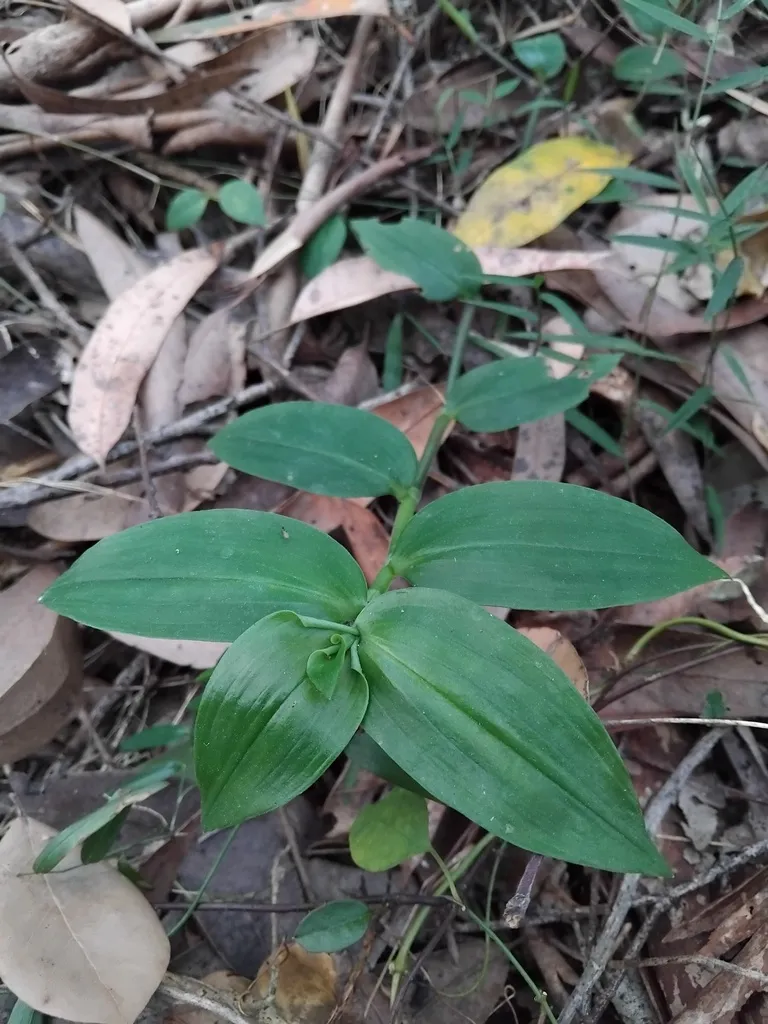
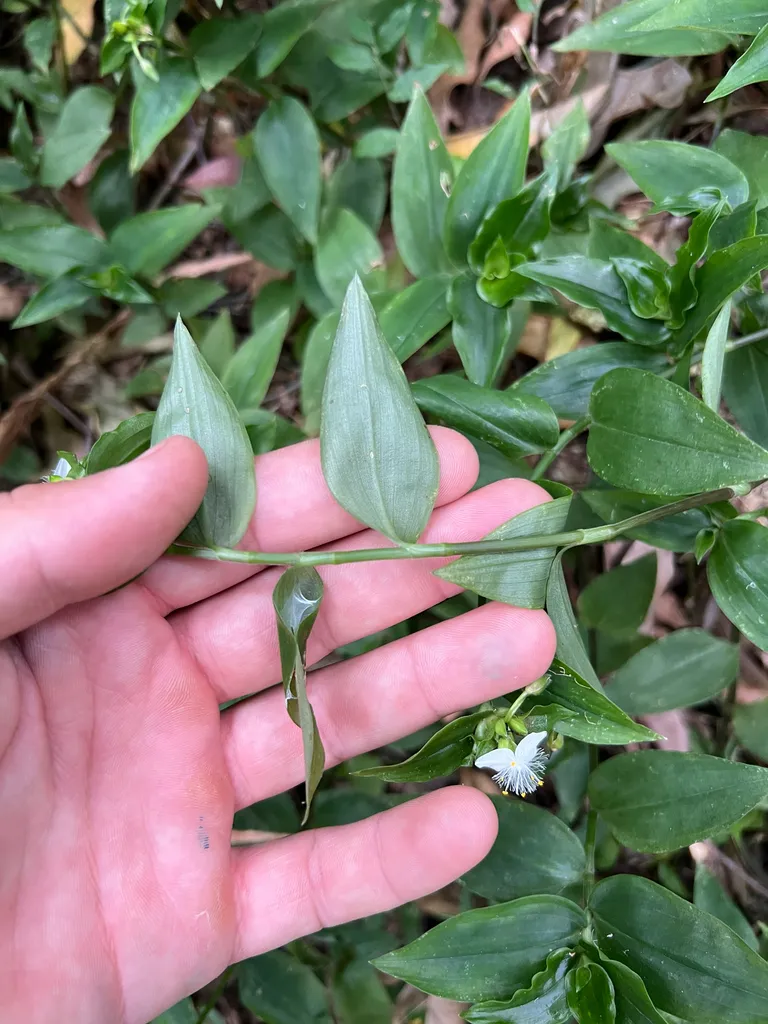
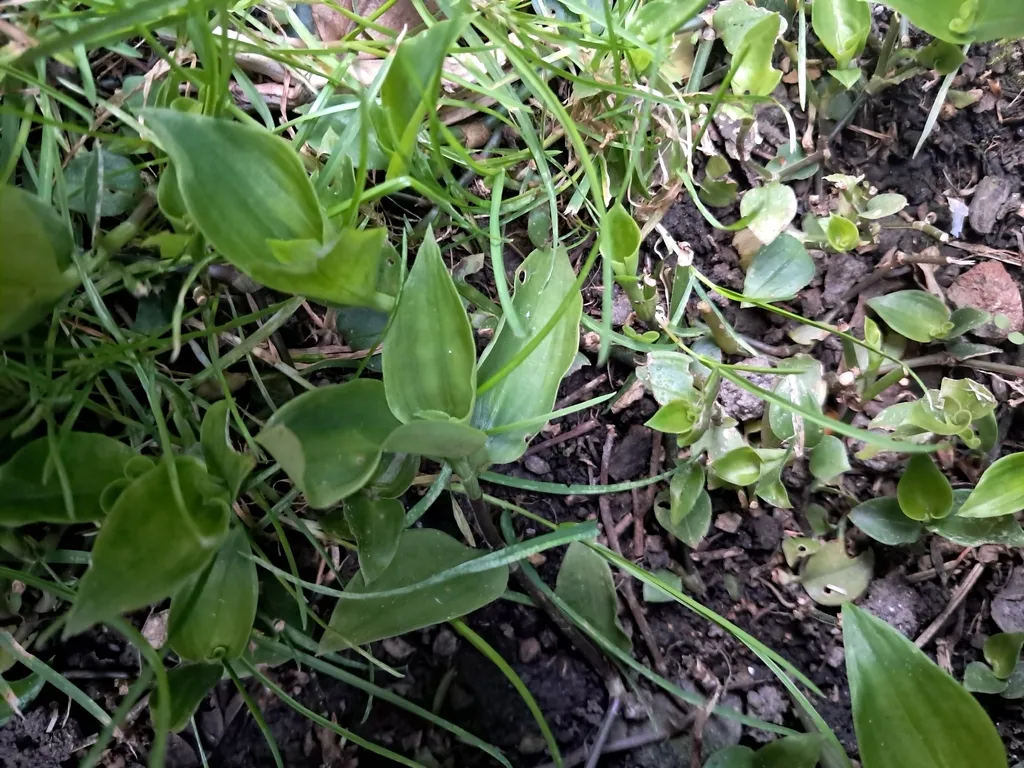
| Care difficulty | 1 / 5 |
|---|---|
| Watering schedule | Moderate regular watering, avoid prolonged drought and stagnant waterlogging |
| Sunlight requirements | Partial shade |
| Ideal temperature | 18 – 27 °C |
| Soil type | Loam |
| Soil pH | Neutral |
| Soil moisture | Moist but well drained · Well drained |
| Fertilizing | Balanced perennial feed every four weeks spring through summer growth |
| Toxicity | Contact with foliage may irritate skin |
How to Water small-leaf spiderwort?
Originating from the moist and shaded environments of South America, small-leaf spiderwort thrives in conditions that mimic its native tropical rainforest habitat. It exhibits a preference for consistent moisture without being waterlogged, maintaining a delicate balance in soil hydration. Watering should be done every week to align with its moderate need for water. As an evergreen plant commonly grown indoors, small-leaf spiderwort benefits significantly from higher humidity levels, which support its lush foliage and overall health.
Learn more →What Are the Sunlight Requirements for small-leaf spiderwort?
Small-leaf spiderwort thrives in partial sun conditions where it receives gentle, dappled light, safeguarding it from harsh direct sunlight. While small-leaf spiderwort tolerates a range of light exposures, from the brightness of full sun to the dimness of full shade, its growth and health are optimized in environments that mimic the understory habitat with moderate light. Deviations from these conditions may result in leggy growth or faded foliage under excessive light, and slow growth with less vibrant coloring in low light. Adaptable in nature, small-leaf spiderwort exhibits a resilience to fluctuating light patterns, making it a versatile choice for planting in gardens with varying light levels.
Learn more →What Is the Ideal Temperature Range for small-leaf spiderwort?

The small-leaf spiderwort exhibits notable tolerance to temperature fluctuations, enduring conditions from 0℃ (32℉) up to 43℃ (109℉). This resilience allows it to thrive in a range of environments. However, during extremely cold weather, small-leaf spiderwort may exhibit leaf discoloration or wilting, while excessive heat can cause leaf scorch and dehydration. To mitigate these effects, ensure proper mulching and hydration in hot conditions, and use frost cloths or bring potted plants indoors during freezing temperatures. Understanding these tolerances ensures optimal care and environmental suitability for the small-leaf spiderwort.
Learn more →What Soil Is Best for small-leaf spiderwort?
Small-leaf spiderwort thrives in well-aerated soil with good drainage to prevent water-logging. A suitable potting mix consists of one part peat, one part perlite, and one part potting soil. If peat is unavailable, coco coir is a suitable alternative. Additionally, incorporate a slow-release fertilizer to enhance growth, applying it at the beginning of the growing season as per the product guidelines.
- Soil type
- Loam
- Soil pH
- Neutral
What Are the Moisture Requirements for small-leaf spiderwort?
Moist but well drained · Well drained
Learn more →How to Fertilize small-leaf spiderwort?

To nurture small-leaf spiderwort's growth, apply a high nitrogen fertilizer monthly during the growing season, halving the dose recommended on the label for indoor plants. This boosts foliage development, ensuring vibrant, lush growth. In winter, reduce feeding frequency to every 6-8 weeks, aligning with small-leaf spiderwort's slower growth. Over-fertilization risks leaf burn; under-fertilization leads to pale leaves. Water small-leaf spiderwort before fertilizing to prevent root shock. For balanced care, incorporate the fertilizer into small-leaf spiderwort's regular watering routine.
Learn more →How to Prune small-leaf spiderwort?

Small-leaf spiderwort, characterized by its small, glossy leaves and fast growth, benefits greatly from regular pruning. Trim back in early to later spring to control its vigorous spread and promote a bushier appearance. Remove dead or damaged stems and pinch back new growth to encourage branching. Pruning helps prevent this species from becoming invasive and maintains its ornamental value. Regular pruning also improves air circulation, reducing disease risk. Use clean, sharp tools to avoid plant damage.
Learn more →How to Propagate small-leaf spiderwort?

Known for its lush foliage and agility in spreading, small-leaf spiderwort is readily propagated through cuttings. This robust plant flourishes when segments of stems, including at least one leaf node, are placed in either water or a moist soil blend. Root establishment is swift, with new growth visible shortly after the cuttings are potted. For a successful propagation, ensure the cuttings are not too long, which can hamper root development. Furthermore, maintaining adequate humidity around the plant's environment supports rapid and healthy growth.
Learn more →How to Transplant small-leaf spiderwort?
To successfully transplant small-leaf spiderwort, the sweet spot lies between early to late spring as this ensures vigorous growth. Choose a location with well-draining soil and partial shade. Remember, gentle handling of the roots is vital to avoid damage. Happy transplanting!
Learn more →How to Care for small-leaf spiderwort in Winter?

Small-leaf spiderwort originates from subtropical environments, naturally adept at weathering milder winters. As temperatures decrease, the plant conserves energy, reducing growth. Gardeners should ensure small-leaf spiderwort is well-drained, as it is sensitive to over-watering, particularly during winter. If housed indoors, remember it requires plenty of light. Above all, protect small-leaf spiderwort from frost, as it isn't frost-tolerant.
Learn more →How to Plant small-leaf spiderwort?
Indoors-potted: When potted indoors, small-leaf spiderwort thrives with ample airflow to replicate its native breezy habitats, reducing risks of common household pests. Outdoors-potted: Small-leaf spiderwort, in outdoor pots, enjoys the freedom to cascade, so ensure a spacious container that accommodates its spreading nature for optimal growth. Outdoors-in the ground: Planted directly in the garden, small-leaf spiderwort needs monitoring as it can spread vigorously, potentially outcompeting nearby plants if not managed.
Learn more →How to Repot small-leaf spiderwort?
For small-leaf spiderwort, a spreading ground cover, repot every 2-3 years to accommodate growth. Springtime, before peak growth, is ideal. Use a slightly larger pot to prevent root crowding. After repotting, provide indirect light and maintain moist soil to help small-leaf spiderwort recover and thrive. This vigilance will reward you with small-leaf spiderwort's resilient, flourishing presence.
Learn more →How to Harvest small-leaf spiderwort?

The small-leaf spiderwort flowers in the summer or early fall. It can be harvested at this time too by drying the flowers in the sun to retain their original bright color. The whole grass can also be cut for use as a medicine.
Learn more →Common Pests & Diseases

Diseases
Generally disease-free
Pests
May be susceptible to red spider mite, mealybugs, aphids, vine weevil and thrips
Explore the plant health library →Troubleshooting
Root Rot, Mushy Stems, or Lower Leaf Drop
small-leaf spiderwort (Tradescantia fluminensis) has fast trailing stems where variegated cultivars can produce plain green reverted shoots; waterlogging and stagnant cool air are the primary causes of collapse.
| What you notice | Possible explanation | What to check next |
|---|---|---|
| Lower stems turn dark, soft, or water-soaked and leaves drop while soil is wet | Overwatering, oversized pot, or heavy poorly drained compost causing root/crown rot | Check pot drainage and feel whether the potting mix stays soggy |
| Leaves look limp and dull while the potting mix is dry and pulling away from pot edges | Underwatering or root-bound soil drying too quickly | Check soil moisture two inches down and observe pot weight |
| Foliage color fades to dull green with long stretched internodes | Insufficient bright indirect light | Inspect top growth vigor and light placement |
- Pot in a light, fast-draining peat-free mix amended with perlite in a container with drainage holes, avoiding oversized pots.
- Allow the top one to two inches of mix to dry slightly between thorough waterings and empty saucers immediately.
- Move into bright, indirect light (filtered east or west exposure) and keep away from cold drafts below 12–15°C (54–59°F).
- Pinch growing tips in spring to encourage compact branching, and remove any plain green reverted shoots on variegated Tradescantia fluminensis.
Stop watering immediately if stems turn soft and black at the base; take clean upper cuttings before rot spreads.
Leaf Scorch, Grey Mould, or Sap-Sucking Pests
Direct sun, wet foliage in stagnant air, or indoor pests like spider mites and aphids can blemish foliage.
| What you notice | Possible explanation | What to check next |
|---|---|---|
| Bleached tan or crispy scorched patches on leaves facing bright windows | Direct sunlight burning shade-adapted foliage | Check whether direct midday or afternoon sun hits the leaves |
| Fuzzy grey mould on damp lower leaves or petioles | Botrytis grey mould in cool, humid, poorly ventilated conditions | Inspect crowded lower foliage near the soil surface |
| Curled new leaves, sticky residue, or fine webbing on leaf undersides | Aphids, mealybugs, or spider mites | Examine shoot tips and leaf undersides closely |
- Filter harsh sunlight with a sheer curtain or move slightly back from sunny windows.
- Water at the soil line rather than over the foliage, and improve air circulation around dense growth.
- Isolate pest-affected plants and wipe leaves or treat with insecticidal soap per label directions.
Wear gloves when handling Tradescantia fluminensis if you have sensitive skin, as sap can cause mild contact irritation.
The Toxicity of small-leaf spiderwort
Contact with foliage may irritate skin