



Planting and Growing purple-heart spiderwort

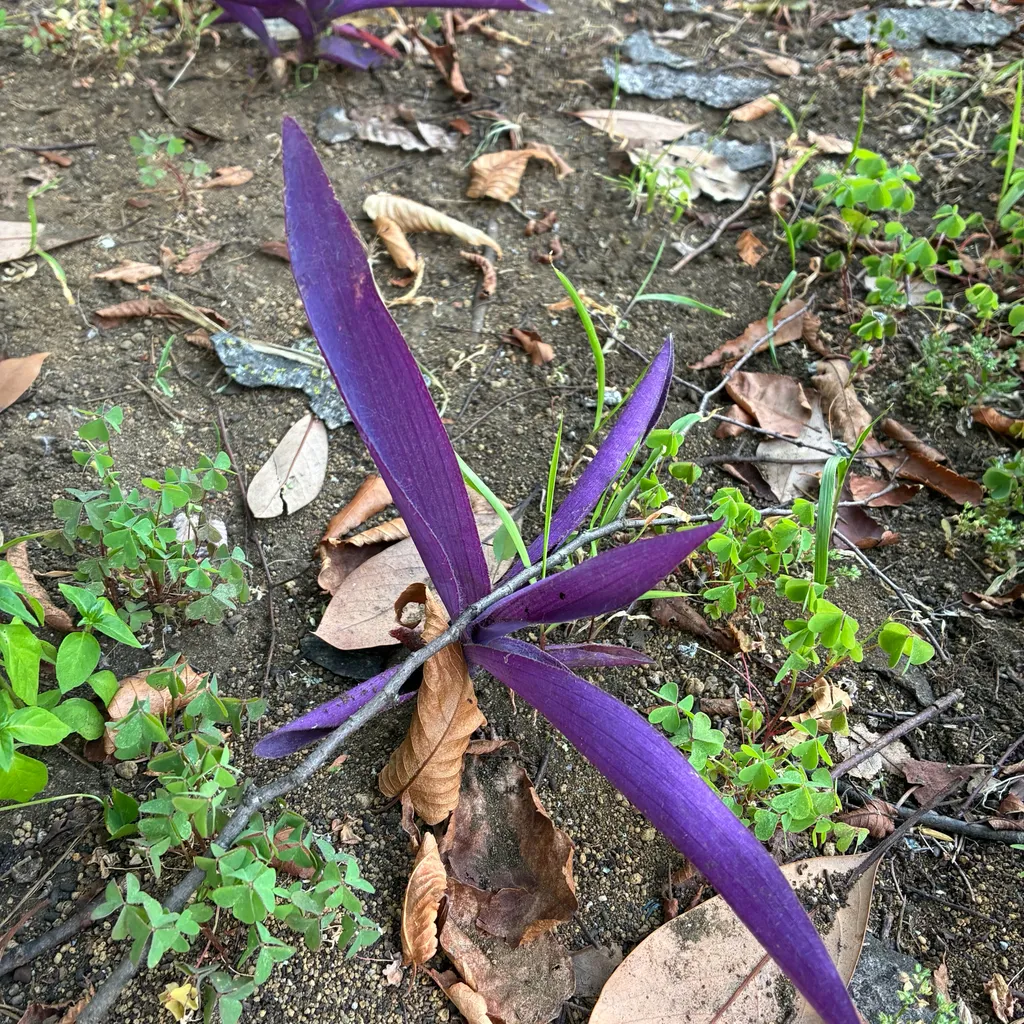
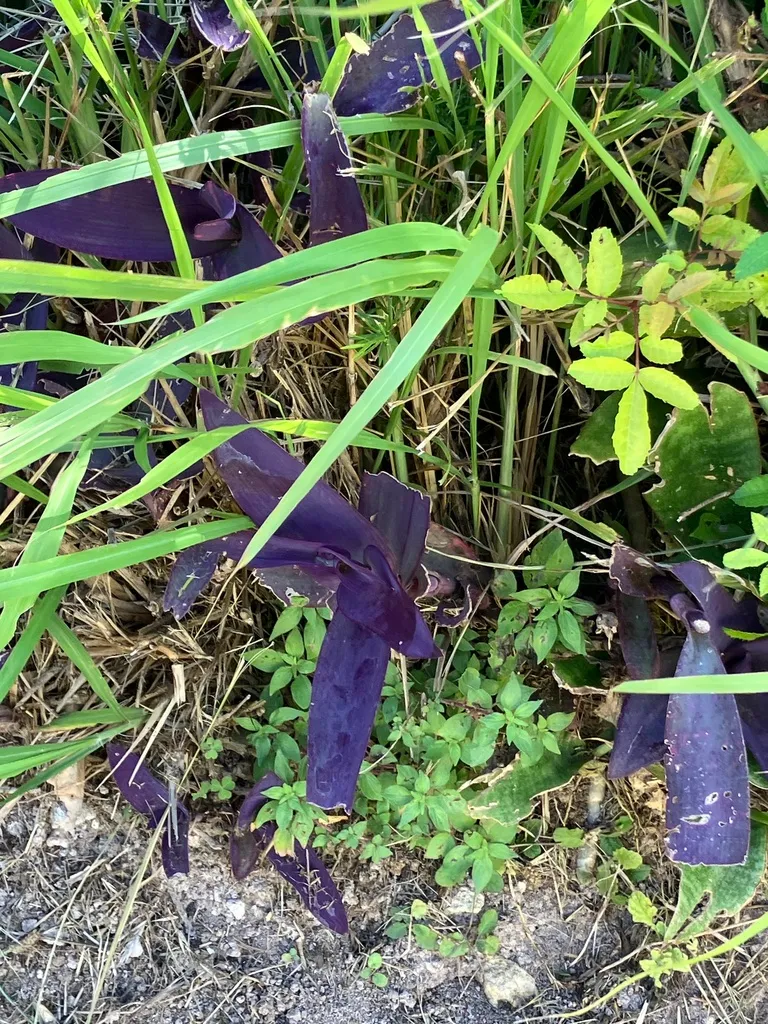
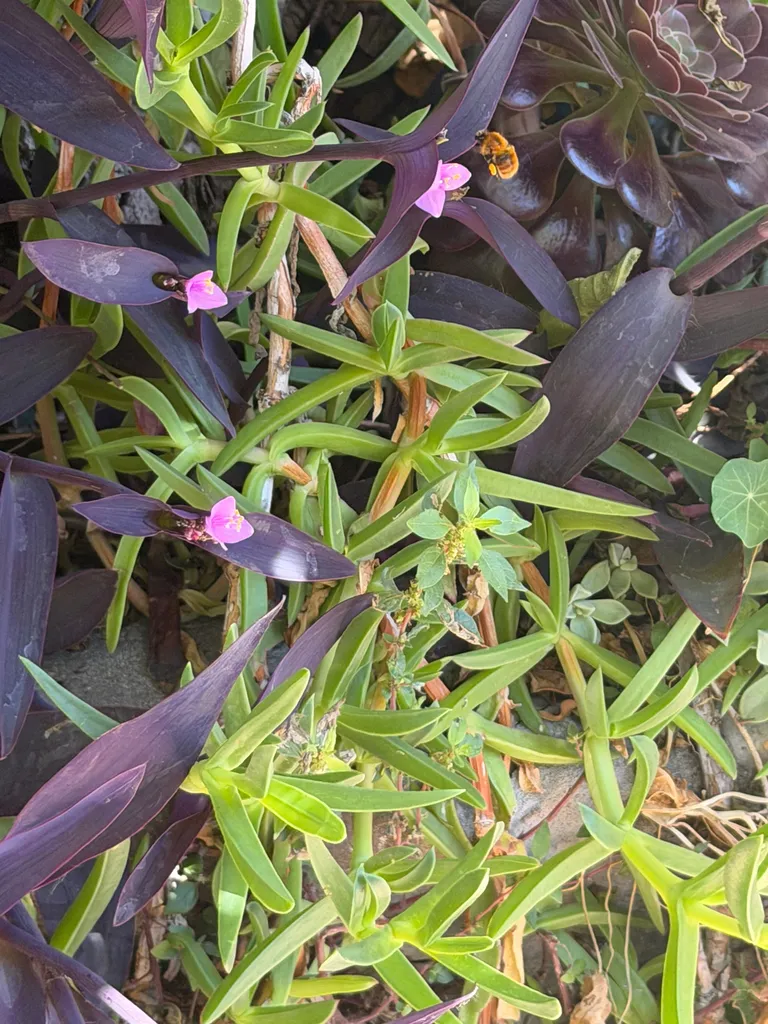
| Care difficulty | 1 / 5 |
|---|---|
| Watering schedule | Keep soil evenly moist; water when the top inch of soil is dry. |
| Sunlight requirements | Full sun · Partial shade |
| Ideal temperature | 18 – 27 °C |
| Soil type | Loam · Sand |
| Soil pH | Acid · Alkaline · Neutral |
| Soil moisture | Moist but well drained |
| Fertilizing | Monthly during the growing season with a balanced liquid fertilizer. |
| Toxicity | Skin allergen. Wear gloves and other protective equipment when handling |
How to Water purple-heart spiderwort?
Thriving in its native tropical habitat, purple heart is well-adapted to periods of irregular rainfall, showcasing a preference for moderate moisture. Its water habits are balanced, with a tolerance for brief dry spells. For optimal growth, purple heart benefits from watering once every 1-2 weeks. As an ornamental plant often grown indoors due to its striking purple foliage, purple heart requires careful attention to soil moisture levels to prevent root rot – a common issue when overwatering in indoor settings.
Learn more →What Are the Sunlight Requirements for purple-heart spiderwort?
Purple heart thrives in partial sun, with bright, indirect light enhancing its vibrant foliage. While it tolerates full sun, excessive exposure can lead to leaf scorch, whereas full shade may result in leggy stems and reduced flowering. Adaptable, purple heart's foliage intensifies in color with adequate light. Ideally positioned in well-lit indoor spaces or in outdoor spots receiving morning sunlight and afternoon shade, purple heart maintains health and flowering potential when provided its preferred light conditions.
Learn more →What Is the Ideal Temperature Range for purple-heart spiderwort?

Purple heart is notably adaptable, tolerating temperatures from 0℃ (32℉) to 43℃ (109℉). Its resilience to such a wide range allows it to thrive in diverse climates. However, below-freezing conditions could cause foliage damage, leading to blackened leaves, while extreme heat may result in wilting or scorched leaves. Proper care involves providing shade and hydration during heatwaves, and protecting the plant from frost during colder months, such as moving it indoors or covering it. These measures ensure that purple heart remains vibrant and healthy regardless of environmental fluctuations.
Learn more →What Soil Is Best for purple-heart spiderwort?
The purple heart isn't fussy when it comes to soil, and the plant can grow normally in both sandy and loam soil. With certain saline-alkali tolerance, it can also grow in mild saline-alkali soil, although it does best in neutral or alkaline soil. The purple heart likes fertilizer; it won't grow well in poor soil, with slender plants that have no or few flowers. When it is cultured as a potted plant, perlite with good water permeability and drainage can be selected as its substrate, while sandy loam is also a good choice.
- Soil type
- Loam · Sand
- Soil pH
- Acid · Alkaline · Neutral
What Are the Moisture Requirements for purple-heart spiderwort?
Moist but well drained
Learn more →How to Fertilize purple-heart spiderwort?

For a thriving purple heart, a high nitrogen fertilizer is essential. Optimal growth is achieved by applying a balanced, water-soluble formulation every month during active growth in spring and summer, and reducing to every six weeks in fall and winter. The purpose is to bolster foliage density and maintain the vibrant purple hue. Apply a quarter to half-strength of the manufacturer's recommended dose to avoid nutrient overload. Always water purple heart before fertilizing to protect the roots. Seasonal adjustments to fertilization are key for purple heart's vitality through various growth phases.
Learn more →How to Prune purple-heart spiderwort?

Purple heart, known for its vibrant purple foliage, thrives with regular pruning to encourage bushier growth. Trim back in early to later spring to remove leggy stems and enhance shape. Cut just above a node to promote new shoots. Regularly remove dead or damaged leaves for optimal health. Pruning helps maintain its lush appearance and prevents overgrowth, ensuring better air circulation. Always use clean, sharp tools to avoid infections.
Learn more →How to Propagate purple-heart spiderwort?

Purple heart thrives when propagated through cuttings. To successfully propagate, use healthy, non-flowering stems for best results. Make a clean cut with sterile scissors just below a node, as this area has a high concentration of growth cells. Allow the cut end to air dry slightly to reduce the risk of rot, then place the cutting in moist soil or water. Roots typically establish quickly, after which the cutting can be potted in well-draining soil. Regular watering and indirect light will help strengthen new growth.
Learn more →How to Transplant purple-heart spiderwort?
The ideal season for transplanting purple heart is mid-spring to late spring, or mid-fall to late fall, as these are times when the plant thrives. Choose a location with well-draining soil and partial sun to ensure a successful transplant. Keep your purple heart evenly moist during the transition.
Learn more →How to Care for purple-heart spiderwort in Winter?

Purple heart originates from the warm tropics, where the winters are milder. Naturally, it enters a semi-dormant stage, enduring cooler temperatures. However, it lacks strong cold-hardiness. In winters, gardeners should consider moving it indoors or providing protection in a greenhouse. Frequent check for pests is recommended. Balancing watering needs while avoiding water logging can help it thrive, despite colder conditions.
Learn more →How to Plant purple-heart spiderwort?
Indoors-potted: In a cozy indoor setting, purple heart thrives with consistent room temperature; its vivid foliage is an excellent accent for interior decor. Outdoors-potted: When placed outdoors in pots, purple heart adds dynamic color to patios and balconies, but be mindful of extreme weather that can affect its vibrancy. Outdoors-in the ground: Purple heart, while robust, may spread eagerly in garden beds, so periodic trimming encourages healthier growth and maintains form.
Learn more →How to Repot purple-heart spiderwort?
For purple heart, a vibrant ground cover, repotting every 2-3 years is ideal to maintain its lush purple foliage. Spring, the start of the growth cycle, is optimal. Choose a container with ample room for roots, about 1-2 inches larger than the current pot. Post-repotting, ensure indirect sunlight and consistent watering for recovery. Use these guidelines for purple heart to thrive in its new home.
Learn more →How to Harvest purple-heart spiderwort?

The purple heart flowers in the summer or early fall. It can be harvested at this time too by drying the flowers in the sun to retain their original bright color. The whole grass can also be cut for use as a medicine.
Learn more →Common Pests & Diseases

Diseases
Generally disease-free
Pests
May be susceptible to red spider mite, mealybugs, aphids, vine weevil and thrips
Explore the plant health library →Troubleshooting
Fading Purple Color (Turning Green) and Leggy Stems
Tradescantia pallida (purple heart) needs bright light to produce rich violet-purple anthocyanin pigments; in dim indoor rooms its leaves turn dull green and stems stretch.
| What you notice | Possible explanation | What to check next |
|---|---|---|
| Leaves lose their deep purple hue and turn greenish-purple with long gaps between nodes | Insufficient sunlight | Move the plant gradually to a bright south- or west-facing window or sunny outdoor patio. |
| Older stems become bare near the pot rim with leaves clustered only at the ends | Natural aging of trailing stems and lack of pinching | Pinch back leggy stems above a node and push healthy stem tip cuttings directly into the potting mix. |
- Provide at least 4 to 6 hours of direct sunlight or very bright filtered light daily (acclimating gradually to avoid scorch).
- Pinch growing tips regularly in spring and summer to encourage dense branching, and root cut tips directly in the pot to refresh bare areas.
- Feed lightly every 4 weeks during spring and summer with a balanced liquid fertilizer; avoid excessive nitrogen.
Wear gloves if you have sensitive skin, as Tradescantia sap can cause mild allergic contact dermatitis in people and pets.
Mushy Stems or Frost Damage
Tradescantia pallida has slightly succulent stems that store water and rot if kept soggy in cool weather or exposed to hard frost.
| What you notice | Possible explanation | What to check next |
|---|---|---|
| Stems soften and turn dark mushy brown at the base while potting mix stays wet | Overwatering or poor pot drainage | Empty standing water, allow the top 1 to 2 inches of soil to dry between waterings, and re-root healthy upper stem tips. |
| Top foliage blackens and collapses after freezing temperatures | Frost injury (roots often resprout in spring in mild zones, while potted plants need frost protection) | Move potted plants indoors before frost and trim away damaged mushy stems. |
- Grow in a well-draining potting mix in a container with open drainage holes.
- Water thoroughly when the top 1 to 2 inches of soil feel dry, reducing watering in winter.
- Avoid planting outdoors in warm frost-free regions where it can spread aggressively as an invasive groundcover.
Purple heart produces small three-petaled pink flowers at stem tips in bright light during summer.
The Toxicity of purple-heart spiderwort
Skin allergen. Wear gloves and other protective equipment when handling