



Planting and Growing silver inch plant

| Care difficulty | 1 / 5 |
|---|---|
| Watering schedule | Moderate regular watering, allowing brief slight drying between soakings |
| Sunlight requirements | Full sun · Partial shade |
| Ideal temperature | 18 – 27 °C |
| Soil type | Loam · Sand |
| Soil pH | Acid · Alkaline · Neutral |
| Soil moisture | Moist but well drained |
| Fertilizing | Balanced perennial feed every four weeks from spring through summer |
| Toxicity | Skin allergen. Wear gloves and other protective equipment when handling |
How to Water silver inch plant?
Originating from the moist and shaded regions of tropical forests, silver inch plant thrives in environments with high humidity. It exhibits a preference for consistent moisture but can tolerate brief periods of dryness. Its watering routine should align with a once every week schedule to maintain its lush foliage. In an indoor setting, silver inch plant is commonly grown as a houseplant due to its decorative leaves and adaptive nature to indoor humidity levels. To support its vigorous growth during the growing season, ensure that soil moisture is closely monitored and maintained.
Learn more →What Are the Sunlight Requirements for silver inch plant?
Silver inch plant thrives in partial sun, where it receives bright, indirect light that fosters vibrant foliage and healthy growth. While it can adapt to full shade, this may result in leggier stems and less intense leaf variegation. Conversely, exposure to full sun can lead to leaf scorch, yet silver inch plant shows resilience if properly acclimated. Outdoors, silver inch plant does best in dappled sunlight or in locations with morning sun and afternoon shade. Indoors, silver inch plant prefers spots near windows with filtered light, avoiding intense direct rays. Silver inch plant's foliage may exhibit color shifts as a response to the light variations, an adaptive trait enhancing its ornamental appeal.
Learn more →What Is the Ideal Temperature Range for silver inch plant?

Silver inch plant displays impressive adaptability, tolerating temperatures from 0℃ (32℉) to 43℃ (109℉). This resilience makes it suitable for various climates but requires care during temperature extremes. Under cold conditions, signs of stress include wilting and leaf discoloration, while extreme heat may cause leaf curling and browning. During cold weather, protect silver inch plant by bringing it indoors or using frost cloths. In hot conditions, ensure adequate watering and provide shade. Its versatility in temperature ranges means silver inch plant can thrive in diverse environments with appropriate care measures.
Learn more →What Soil Is Best for silver inch plant?
The silver inch plant isn't fussy when it comes to soil, and the plant can grow normally in both sandy and loam soil. With certain saline-alkali tolerance, it can also grow in mild saline-alkali soil, although it does best in neutral or alkaline soil. The silver inch plant likes fertilizer; it won't grow well in poor soil, with slender plants that have no or few flowers. When it is cultured as a potted plant, perlite with good water permeability and drainage can be selected as its substrate, while sandy loam is also a good choice.
- Soil type
- Loam · Sand
- Soil pH
- Acid · Alkaline · Neutral
What Are the Moisture Requirements for silver inch plant?
Moist but well drained
Learn more →How to Fertilize silver inch plant?

For silver inch plant, apply a high-nitrogen liquid fertilizer bi-weekly during active growth in spring and summer to boost its vibrant foliage. In fall and winter, reduce feeding to monthly to prevent overfertilization. Dilute the fertilizer to half the recommended strength to avoid root burn. Over time, feeding silver inch plant improves its overall health and leaf coloration. Always water silver inch plant thoroughly before and after applying fertilizer to ensure even distribution and nutrient uptake. Seasonal adjustments in fertilization cater to silver inch plant's lifecycle needs, promoting robust growth without causing stress or damage to the plant.
Learn more →How to Prune silver inch plant?

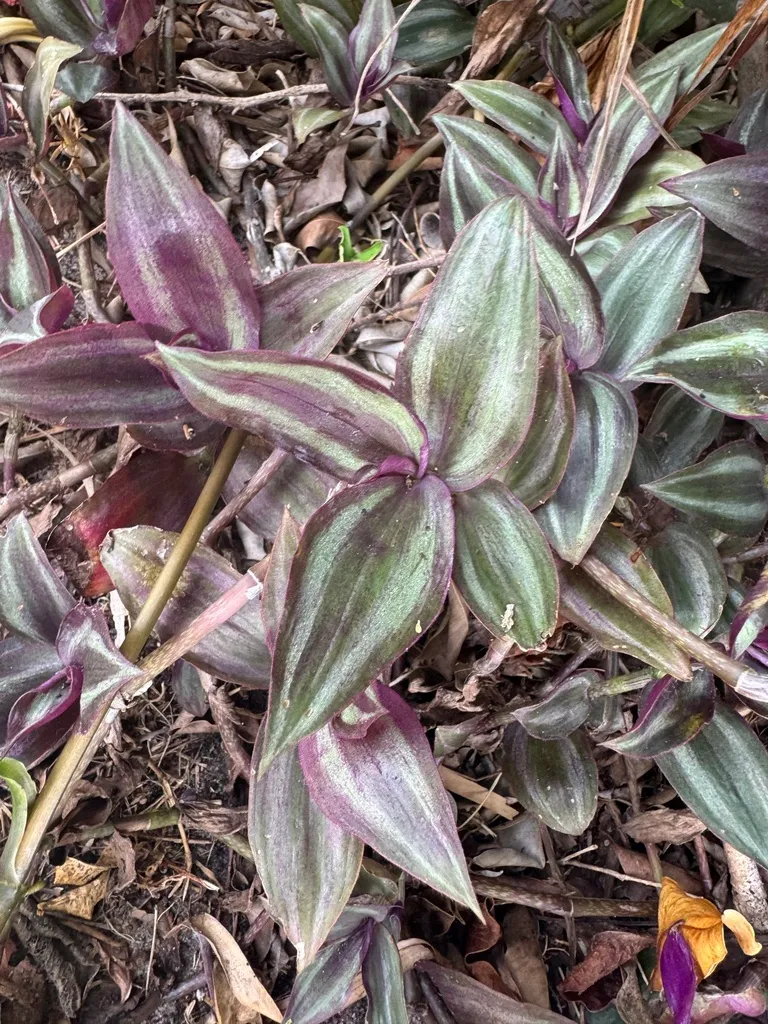
Silver inch plant, known for its striking purple and green striped leaves, should be pruned in early to late spring. Trim back leggy stems to encourage bushier growth and remove any dead or damaged foliage. Regular pruning helps maintain its compact form and enhances overall plant health. Use sharp, sterile scissors to make clean cuts just above a leaf node. Pruning before the growing season starts ensures vigorous new growth and improves the plant's aesthetic appeal.
Learn more →How to Propagate silver inch plant?

Silver inch plant is an attractive, easy-to-grow houseplant with distinctive coloration on its leaves. Its propagation can be done simply by cutting. Gardeners should select a healthy stem, make a clean cut below a leaf node, and place the cutting in water or moist potting mix. Roots will often develop quickly, after which cuttings can be transplanted into their own pot to encourage a new and healthy growth.
Learn more →How to Transplant silver inch plant?
For optimal growth, transplant silver inch plant during mid to late spring or mid to late fall, as these seasons provide the perfect balance of temperature and moisture. Ensure the location offers bright, indirect light and well-draining soil. Adequate spacing between plants is vital for proper air circulation.
Learn more →How to Plant silver inch plant?
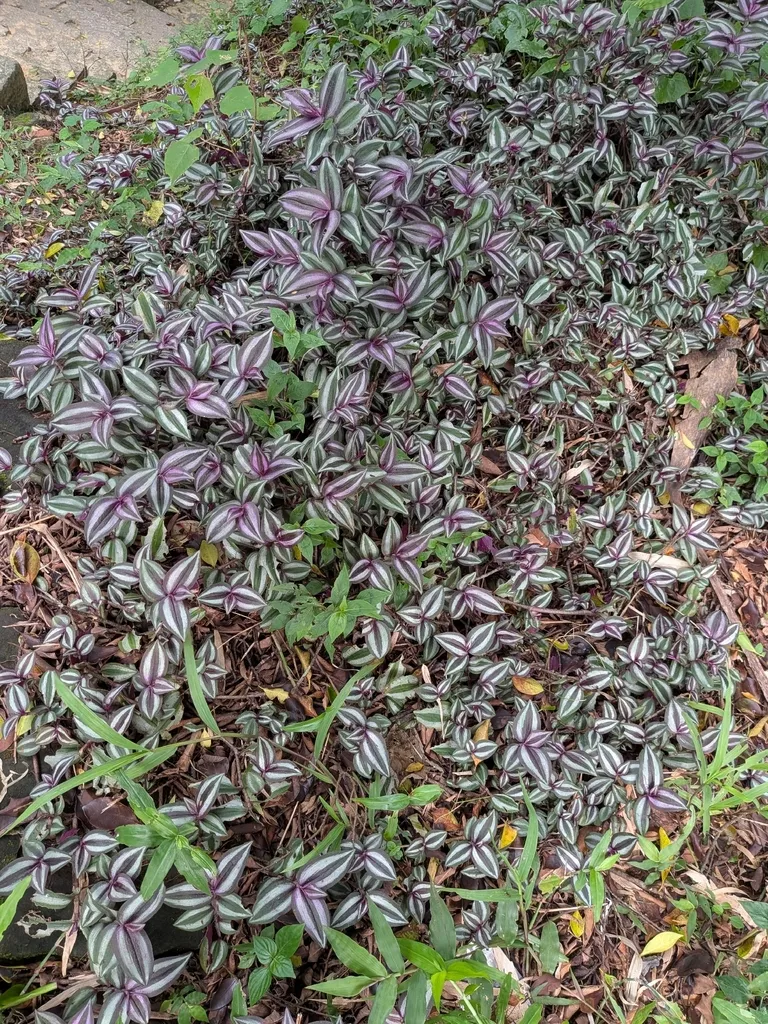
Indoors-potted: Ensure silver inch plant has enough space to showcase its cascading vines indoors, perfect for hanging baskets. Outdoors-potted: In outdoor pots, allow silver inch plant's soil to dry slightly between watering to encourage strong growth. Outdoors-in the ground: Silver inch plant thrives when allowed to spread its foliage freely in garden beds but beware it can be invasive.
Learn more →How to Repot silver inch plant?
Repot silver inch plant every 2-3 years in spring, when its vigorous growth resumes. Select a pot only slightly larger as silver inch plant prefers a cozy fit, promoting lush trailing growth. Post-repot, ensure bright indirect light and consistent moisture, without waterlogging, to support quick recovery and healthy foliage. This fast-grower appreciates the fresh soil and space to thrive.
Learn more →How to Harvest silver inch plant?

The silver inch plant flowers in the summer or early fall. It can be harvested at this time too by drying the flowers in the sun to retain their original bright color. The whole grass can also be cut for use as a medicine.
Learn more →Common Pests & Diseases

Diseases
Generally disease-free
Pests
May be susceptible to red spider mite, mealybugs, aphids, vine weevil and thrips
Explore the plant health library →Troubleshooting
Leggy, Bare Lower Stems and Crispy Brown Leaves
Tradescantia zebrina (silver inch plant / wandering dude) grows rapidly as a trailing groundcover or hanging-basket plant. Older stems naturally lose lower leaves as they lengthen, especially when light is low or water sits on the foliage.
| What you notice | Possible explanation | What to check next |
|---|---|---|
| Long trailing stems look bare near the pot rim with leaves clustered only at the tips | Natural aging of trailing stems combined with insufficient light or lack of pinching | Check light levels and plan to pinch back and propagate healthy stem tips into the top of the pot. |
| Leaves near the soil turn brown, mushy, or slimy after overhead watering | Water trapped in leaf sheaths or overly wet potting mix | Water at the soil line rather than over the crown and check pot drainage. |
- Water at the base of the plant when the top inch of potting mix feels dry, avoiding splashing water into the crown and leaf axils.
- Pinch or trim leggy stems back just above a node in spring or summer to encourage branching, and stick the healthy 3- to 4-inch tip cuttings directly back into the potting mix to keep the pot full.
- Place in bright, indirect light (such as near an east- or west-facing window) so stems stay compact and leaf undersides stay deep purple.
Wear gloves if you have sensitive skin, as Tradescantia sap can cause mild contact dermatitis in people and pets.
Fading Silver Stripes and Purple Color
The metallic silver bands and rich purple undersides of Tradescantia zebrina depend directly on light intensity.
| What you notice | Possible explanation | What to check next |
|---|---|---|
| Leaves turn mostly dull green with weak silver stripes and pale undersides | Insufficient light | Move the hanging basket or pot closer to a bright window with filtered sunlight. |
| Bleached or scorched dry patches appear on leaves in strong afternoon sun | Harsh direct midday/afternoon sun | Provide morning sun or bright filtered light rather than intense afternoon heat. |
- Move the plant gradually to brighter indirect light or gentle morning sun.
- Feed lightly every 4 weeks during spring and summer with a diluted balanced liquid fertilizer; excess nitrogen can produce soft, greener, leggier growth.
- Keep indoor temperatures warm above 12°C to 15°C (55°F to 60°F) and protect from frost.
Avoid planting Tradescantia zebrina outdoors in frost-free warm regions where it can spread aggressively as an invasive groundcover.
The Toxicity of silver inch plant
Skin allergen. Wear gloves and other protective equipment when handling