



Planting and Growing St. Peter's palm

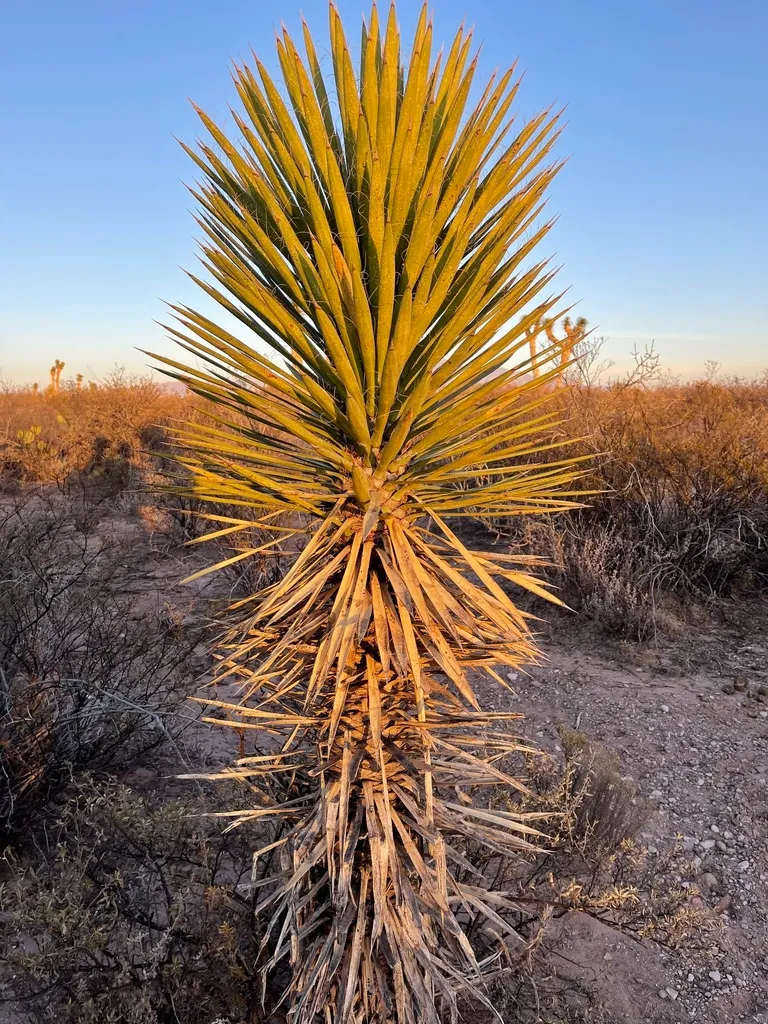
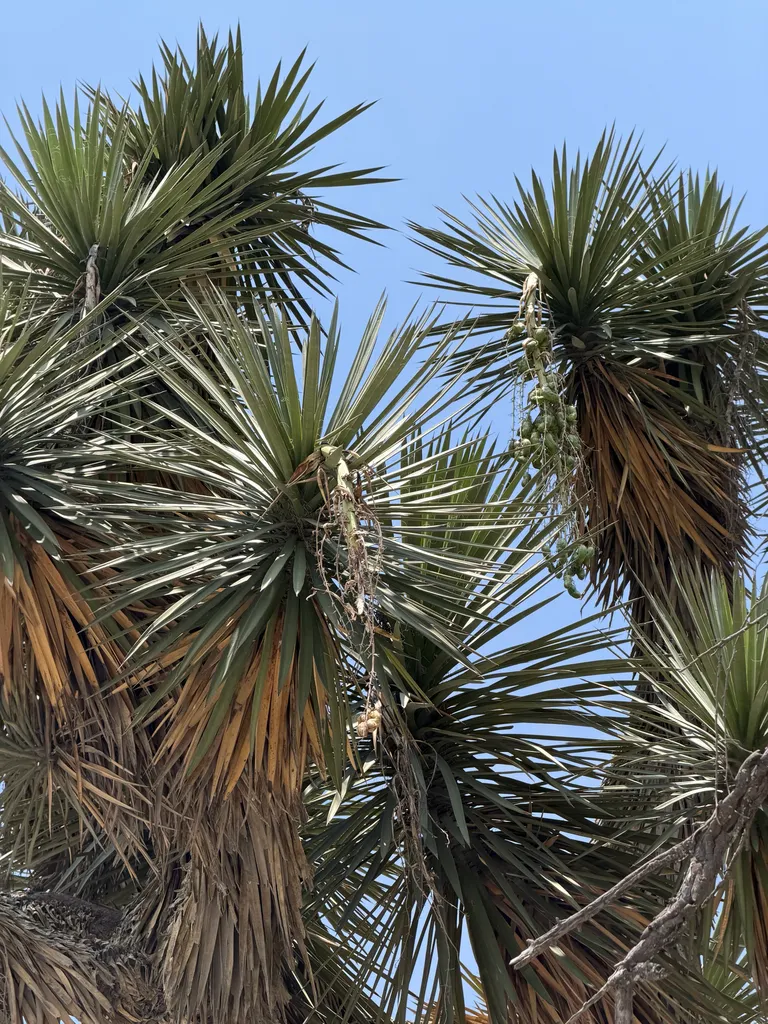
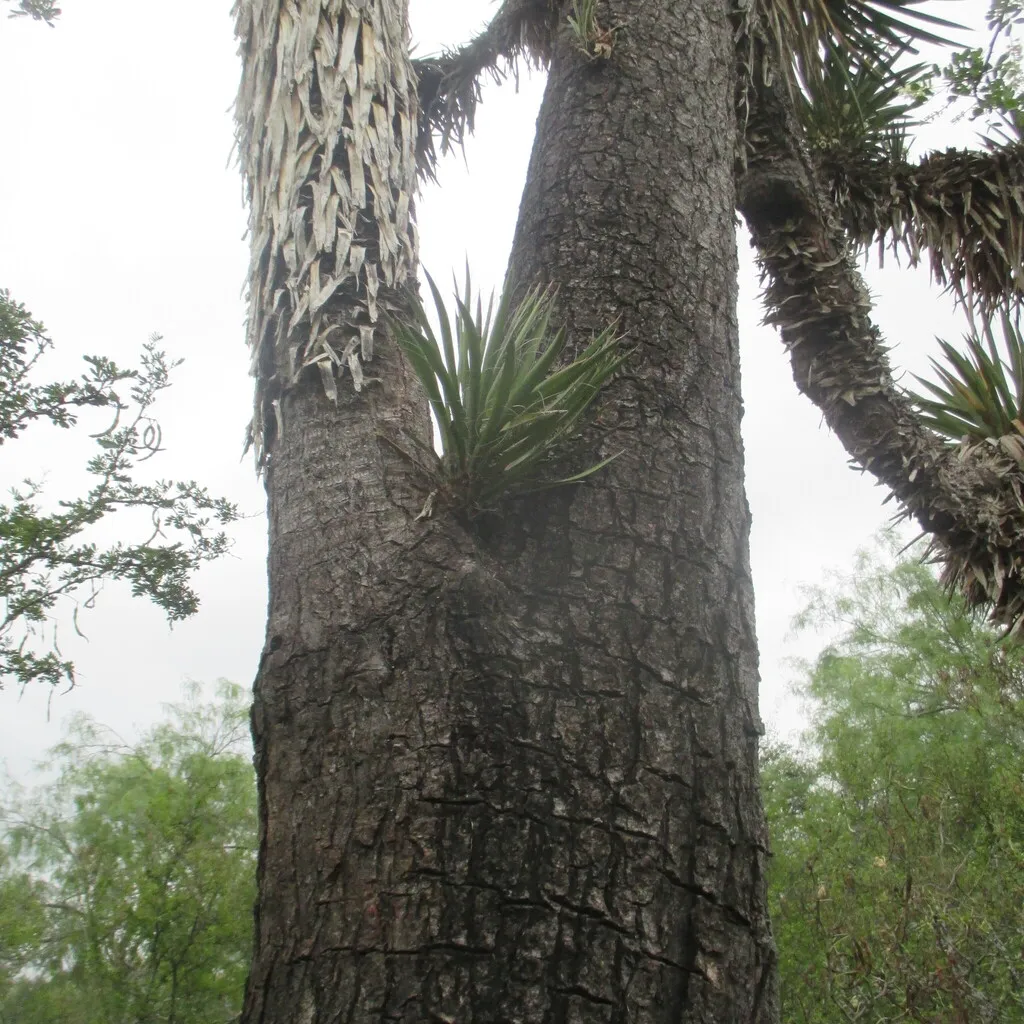
| Care difficulty | 2 / 5 |
|---|---|
| Watering schedule | Thorough water only after substrate dries entirely, minimal winter moisture |
| Sunlight requirements | Full sun |
| Ideal temperature | Information to be completed |
| Soil type | Chalk · Loam · Sand |
| Soil pH | Acid · Alkaline · Neutral |
| Soil moisture | Well drained |
| Fertilizing | Diluted low-nitrogen succulent feed monthly in warm active growth |
| Toxicity | Skin allergen. Wear gloves and other protective equipment when handling |
How to Water St. Peter's palm?
Thorough water only after substrate dries entirely, minimal winter moisture
Learn more →What Are the Sunlight Requirements for St. Peter's palm?
Full sun
Learn more →What Soil Is Best for St. Peter's palm?
- Soil type
- Chalk · Loam · Sand
- Soil pH
- Acid · Alkaline · Neutral
What Are the Moisture Requirements for St. Peter's palm?
Well drained
Learn more →How to Fertilize St. Peter's palm?

Diluted low-nitrogen succulent feed monthly in warm active growth
Learn more →How to Prune St. Peter's palm?

No pruning required, but dead leaves can be removed to improve appearance. Overlarge plants can be cut back in late spring and will reshoot from the trunk
Learn more →How to Propagate St. Peter's palm?

Propagate by seed or remove rooted suckers
Learn more →How to Plant St. Peter's palm?
Grow in very well-drained soil in full sun in a sheltered position, or grow under glass in gritty compost. Needs to be kept almost dry over winter
Learn more →Common Pests & Diseases

Diseases
May be susceptible to leaf spot
Pests
May be susceptible to aphids on flower spikes and snails
Explore the plant health library →The Toxicity of St. Peter's palm
Skin allergen. Wear gloves and other protective equipment when handling