Plants in Bechar

Get to know 14 plants selected from Bechar. Discover their scientific names, identifying features and growing needs.

Plants to discover

common olive

1. common olive

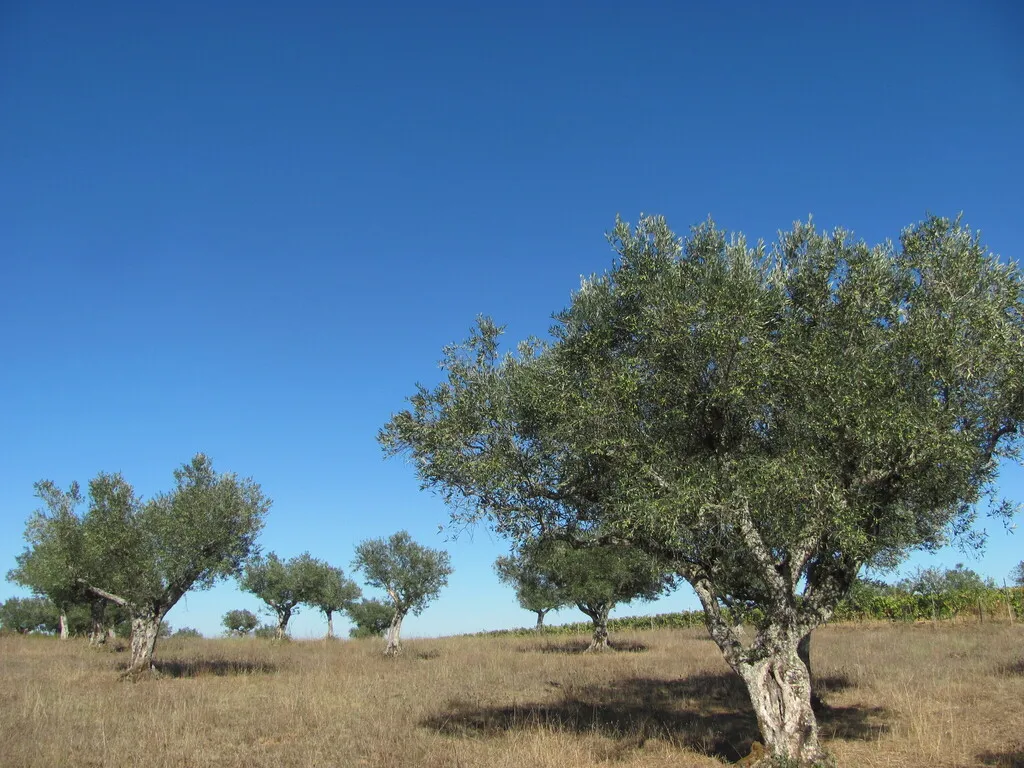
Olea europaea

Has a rugged, much-branched habit and slow growth, eventually 4.5-9m. Leaves are narrowly obovate or oval, to 7.5cm long, leathery, silvery beneath. Very small white flowers are borne in axillary racemes to 5cm long. Many cultivated varieti

Learn more →
oleander

2. oleander

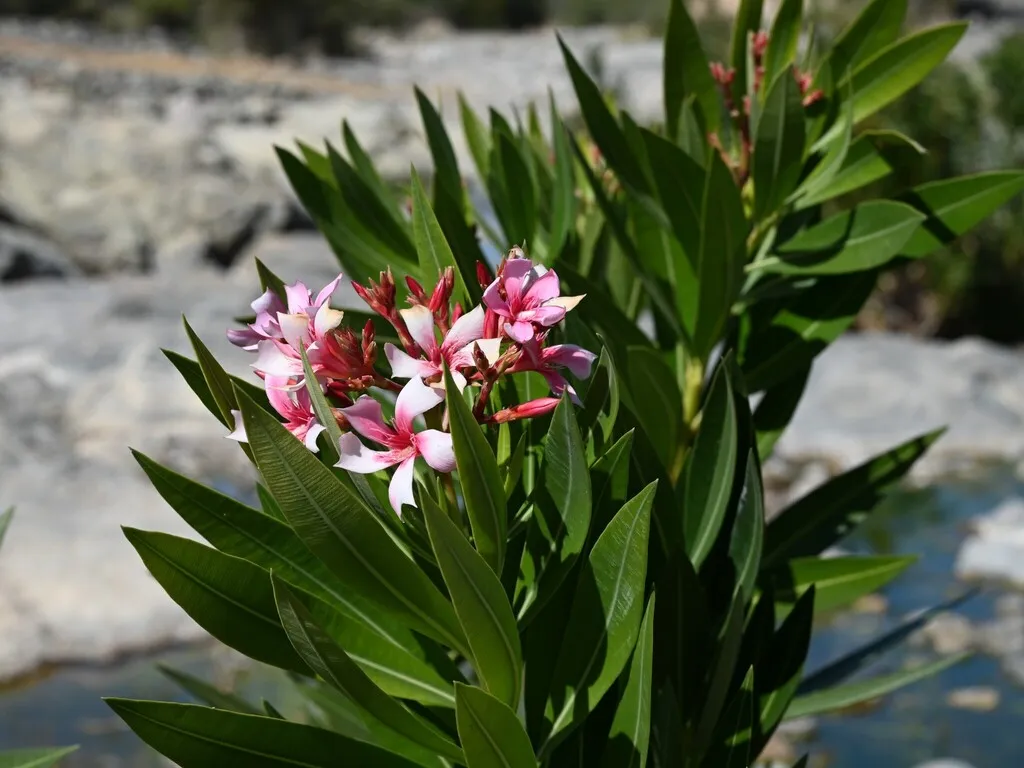
Nerium oleander

N. oleander is an evergreen shrub with narrowly lance-shaped grey-green leaves and terminal clusters of salver-shaped, pink, white or red flowers 3-4cm across, in summer

Learn more →
pomegranate

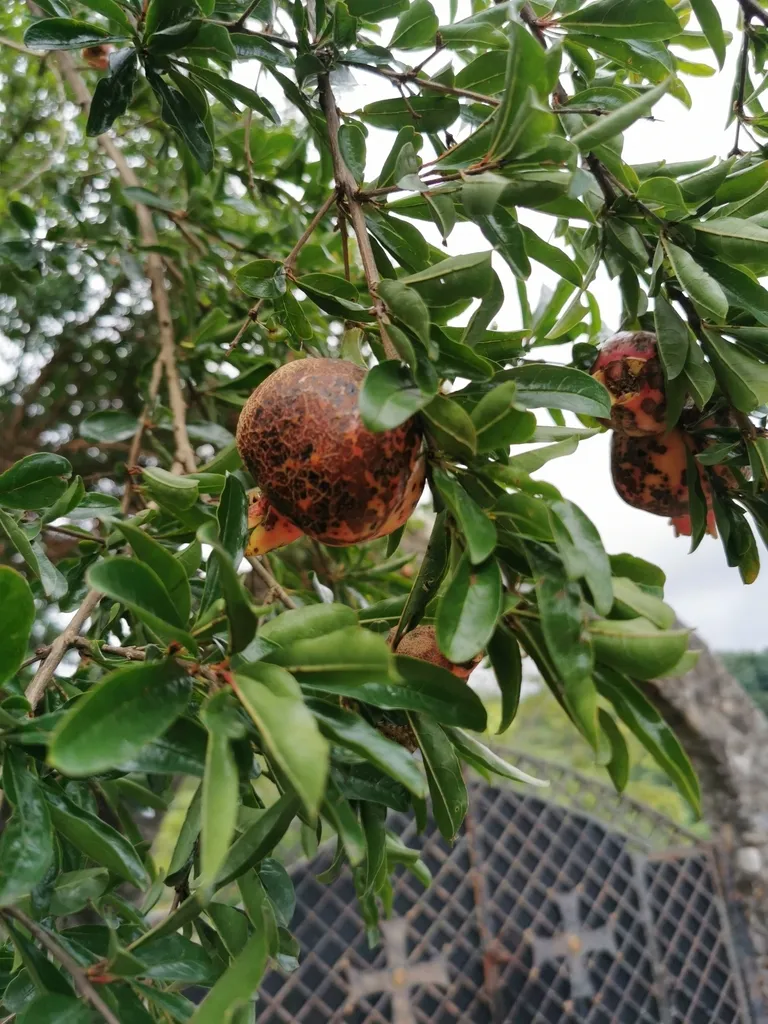
3. pomegranate

Punica granatum

P. granatum is a rounded shrub with glossy, narrowly oblong leaves, bronze in spring, and funnel-shaped bright scarlet flowers 3-4cm across in summer, sometimes followed by spherical, reddish-brown fruits up to 12cm across

Learn more →
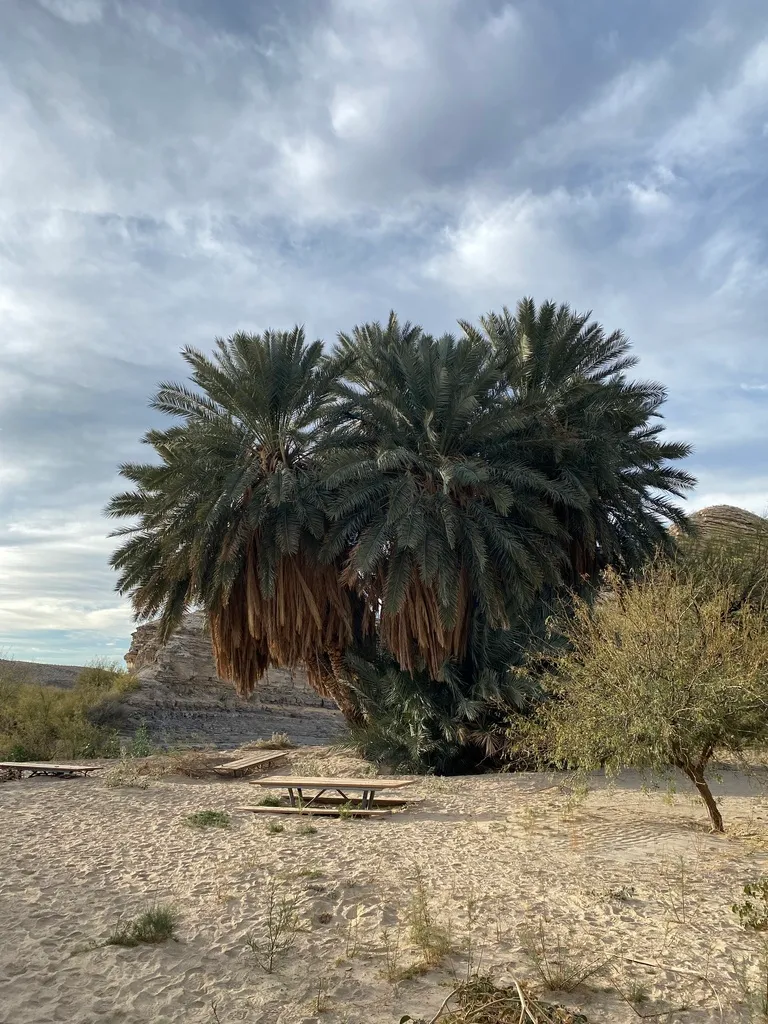
date palm

4. date palm

Phoenix dactylifera

A tall, tender palm with elegant, arching leaves composed of many linear, grey-green leaflets. In its native environments it produces 1-2m long flower spikes from the crown of the tree; these are followed by sweet, edible fruits (dates)

Learn more →
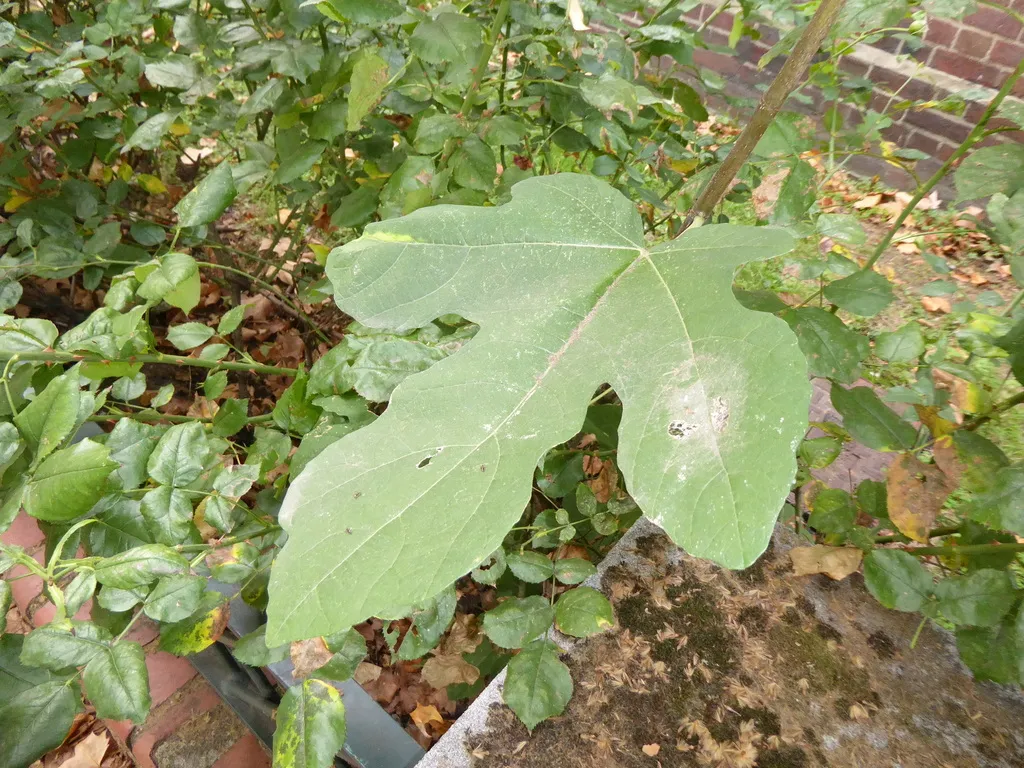
fig

5. fig

Ficus carica

A large shrub or small, spreading tree to around 3m tall and 4m wide with rounded, lobed leaves. Insignificant flowers are followed by edible fruit that ripen to shades of green and purple. Many cultivated varieties of fig have been develop

Learn more →
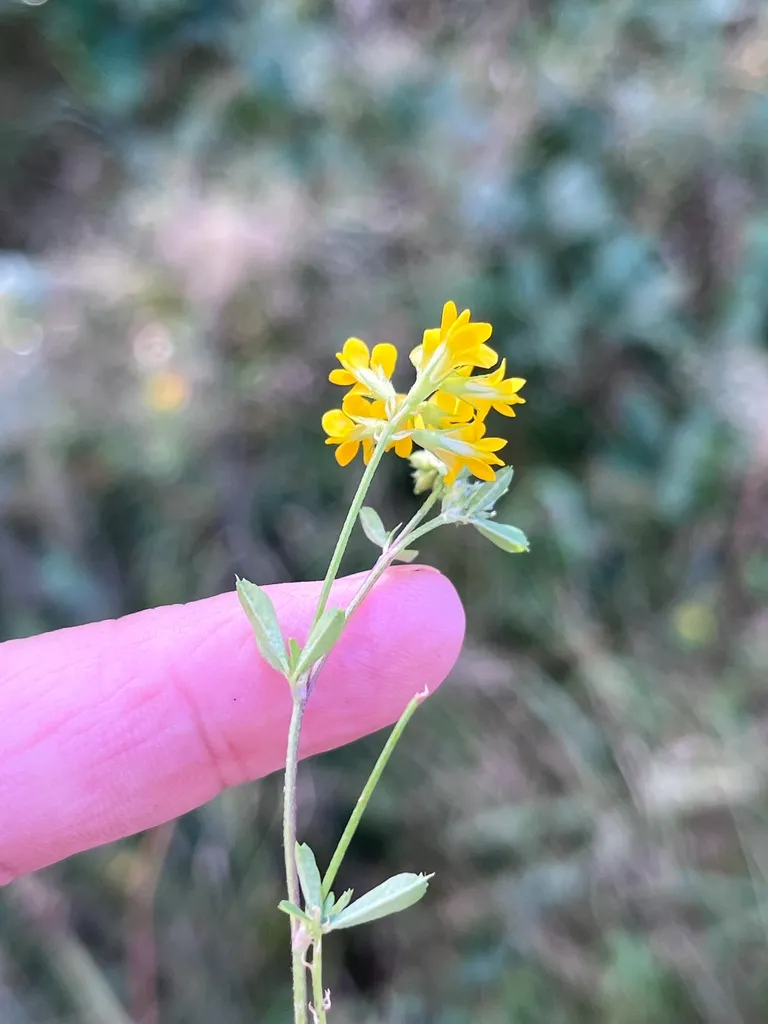
afalfa

6. afalfa

Medicago sativa

Also known as 'alfalfa'or 'purple medic' this herbaceous perennial legume with a deep tap-root and clover-like green foliage produces small purple flowers in the summer followed by flat pea-like fruits. Used in many countries as animal foo

Learn more →
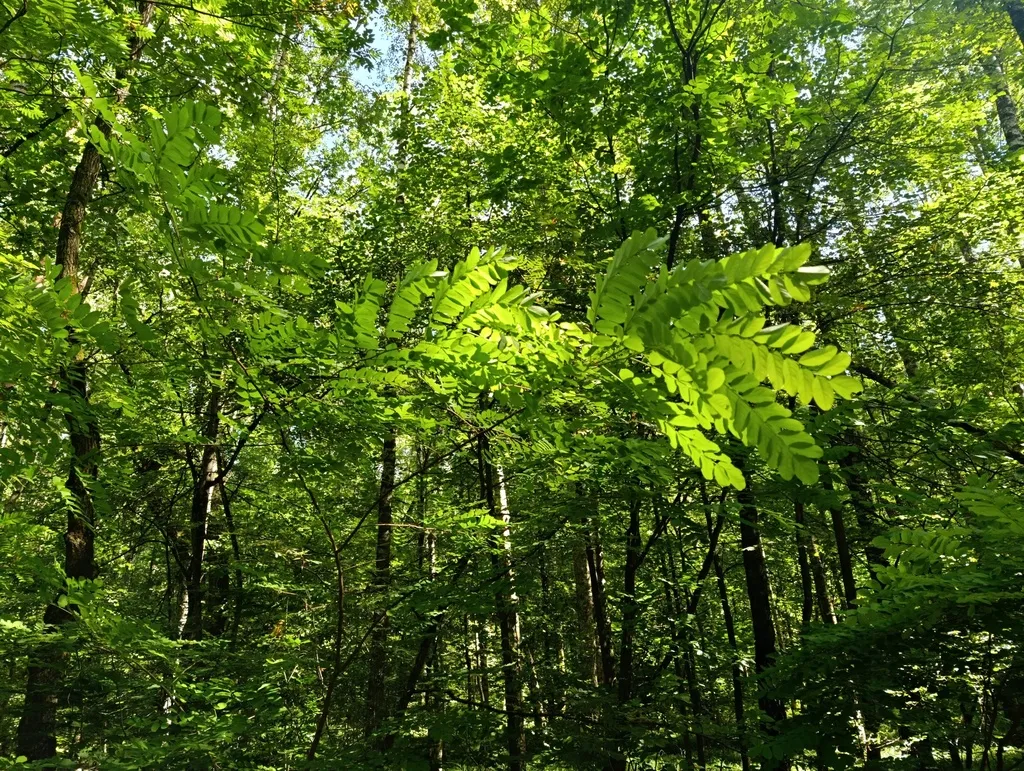
false acacia

7. false acacia

Robinia pseudoacacia

R. pseudoacacia is a fast-growing, spreading tree to 25m tall with deeply furrowed rough bark and spines formed from stipules on twigs and suckers. The dark green leaves comprise 5-11 pairs of oval leaflets. Dense, drooping clusters of slig

Learn more →
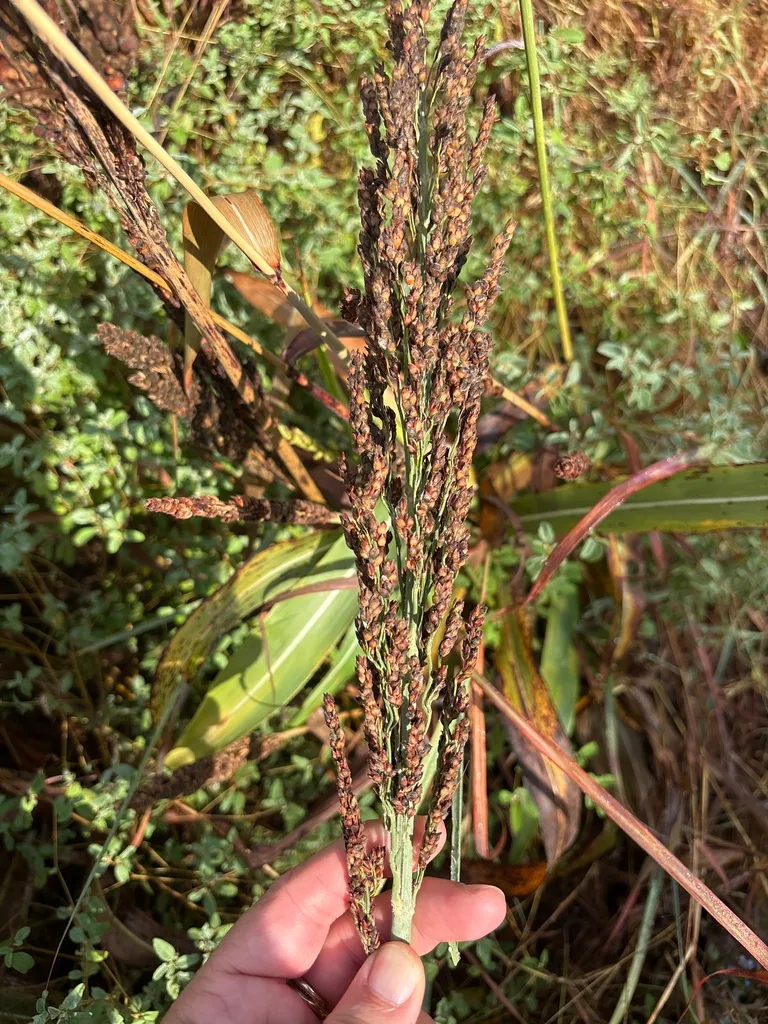
common sorghum

8. common sorghum

Sorghum bicolor

An upright plant with green strappy leaves. Flower spikes are covered in small, yellowish-green flowers, followed by pale, sometimes rusty coloured seeds. Seeds can ripen in the UK if given a long hot summer. Can be grown in the UK as a ten

Learn more →
Barbados aloe

9. Barbados aloe

Aloe vera

An evergreen perennial to 0.6m, forming rosettes of fleshy, narrow, dull green leaves with spiny margins, with long racemes of tubular greenish-yellow flowers 3cm in length in racemes to 90cm in length

Learn more →
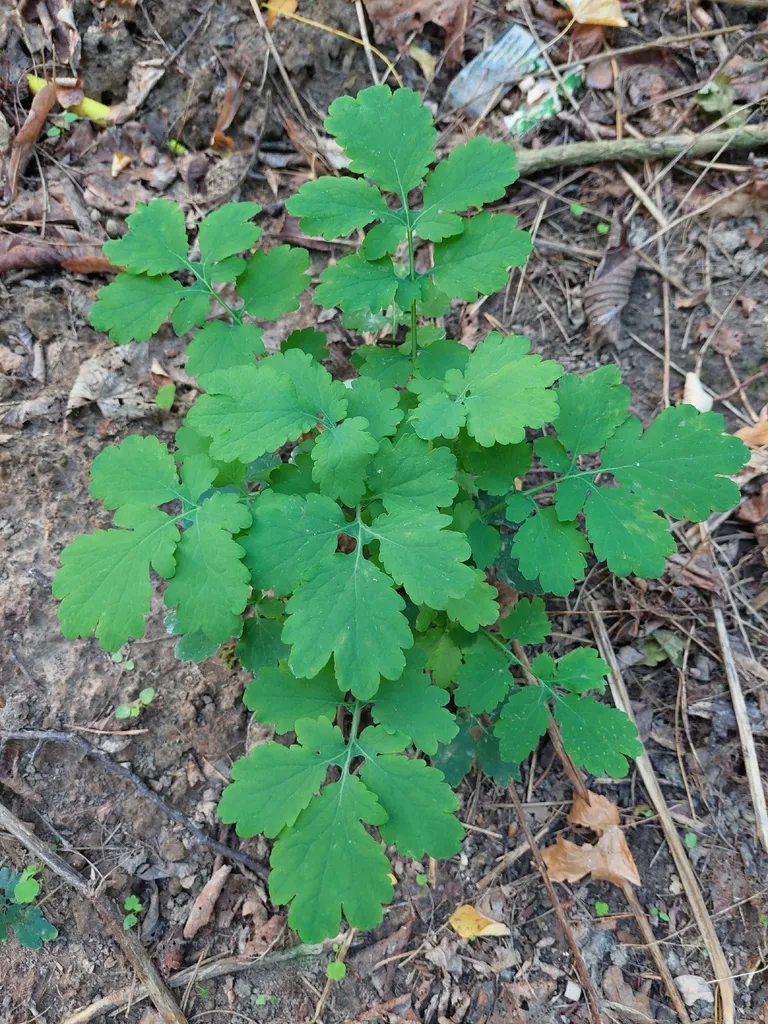
greater celandine

10. greater celandine

Chelidonium majus

A sparsely hairy, somewhat spreading plant to 90cm, with broadly-lobed pinnately-divided leaves, and yellow flowers in spring and summer. Self-seeds and naturalises freely

Learn more →
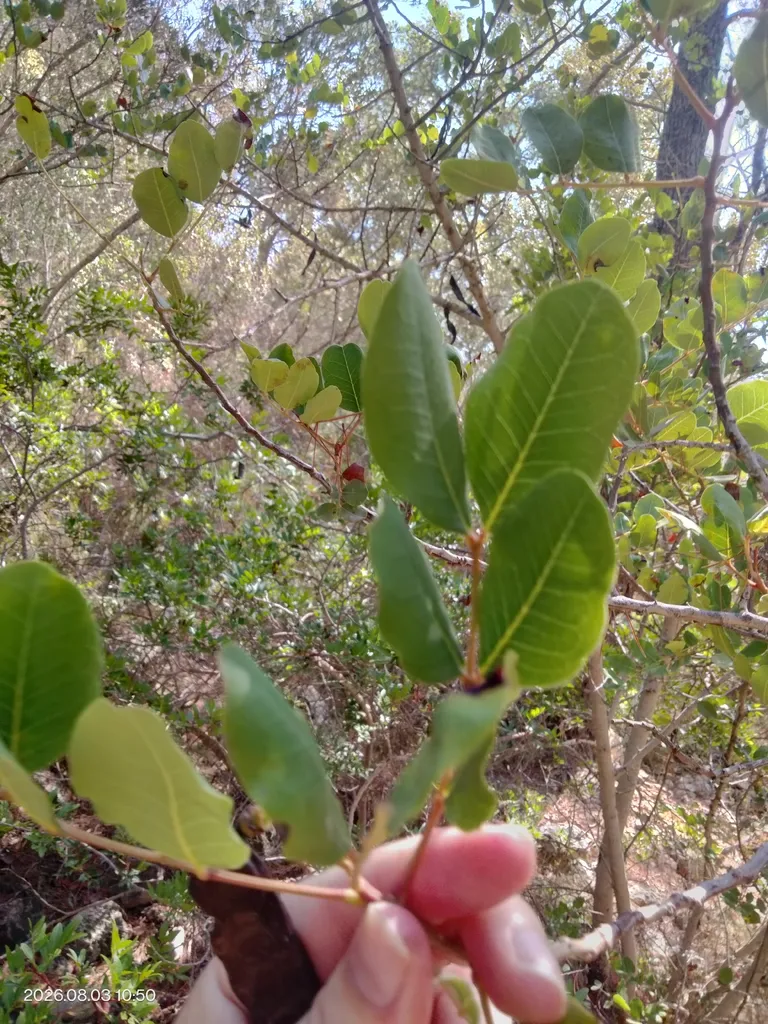
carob

11. carob

Ceratonia siliqua

A Mediterranean evergreen shrubby tree with thick brown bark and dark green, leathery, pinnate leaves. Tiny green-tinted red flowers in racemes 2-6cm long, during spring, are followed by edible black-brown leathery pods containing a sweet p

Learn more →
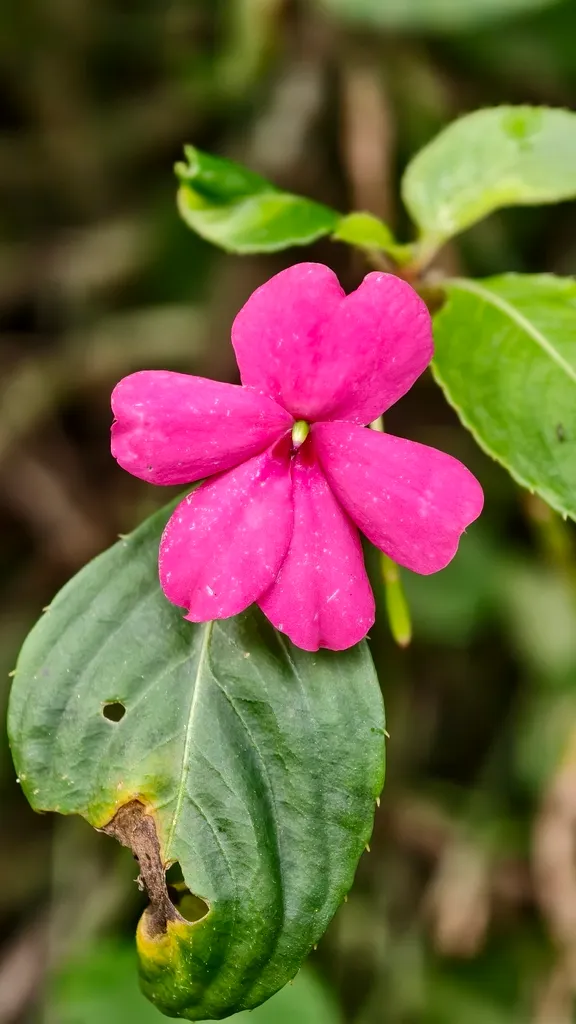
busy lizzie

12. busy lizzie

Impatiens walleriana

Also commonly known as 'Busy Lizzie', 'Balsam', or simply 'Impatiens', this is a species of the genus Impatiens, native to eastern Africa from Kenya to Mozambique. It is a tender herbaceous perennial plant but mostly grown as annual bedding

Learn more →
French lavender

13. French lavender

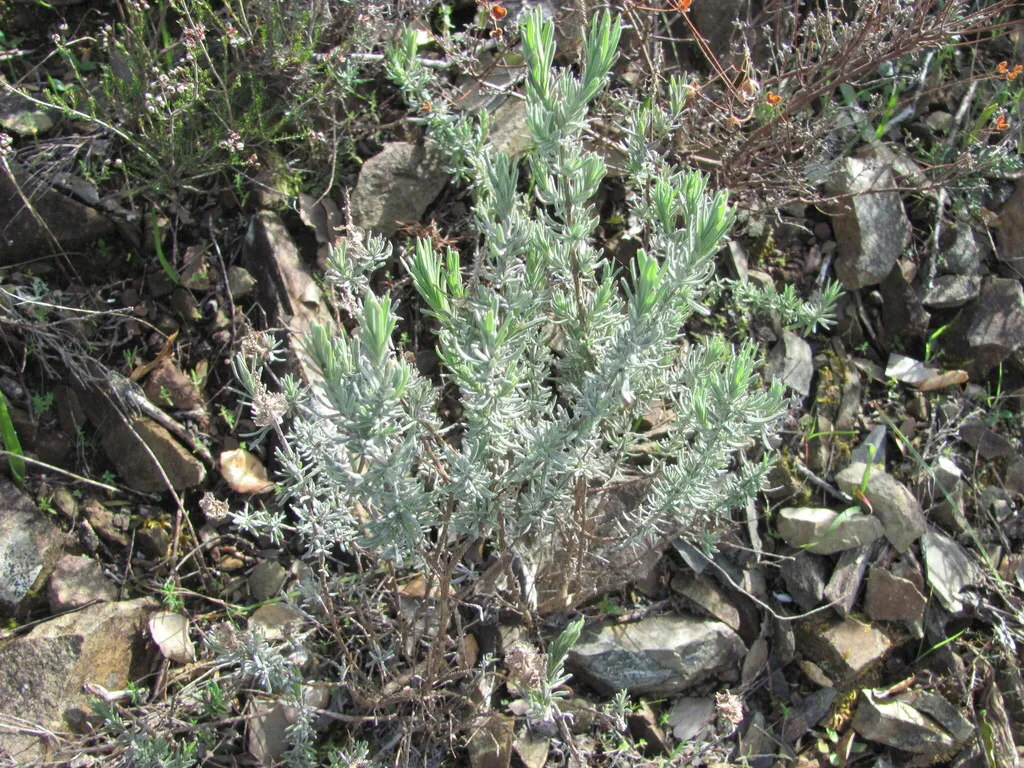
Lavandula stoechas

A bushy, upright evergreen shrub, to 60cm high and 40cm wide. Foliage is aromatic and grey-green. The freely-produced fragrant flowerheads are densely cylindrical, tapering to a blunt tip, crowned by 4 sterile bracts 2.5cm long, give the he

Learn more →
coleus

14. coleus

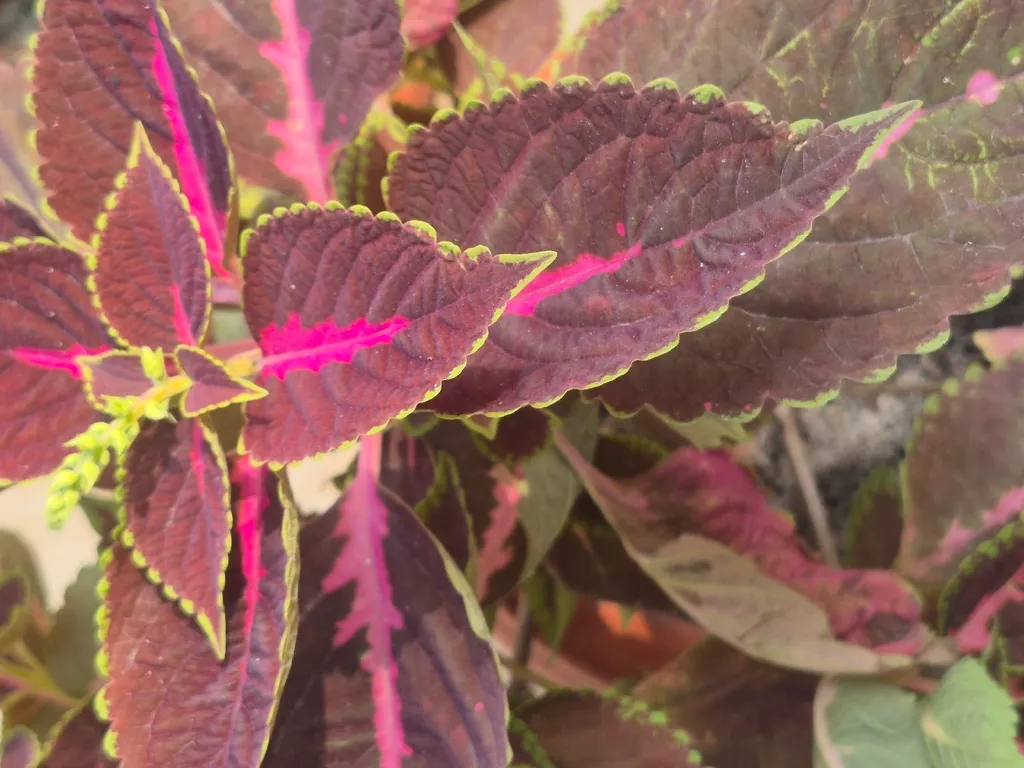
Coleus scutellarioides

A tender, evergreen perennial to 60cm, with semi-succulent, square stems bearing ovate, toothed leaves. The species shows some leaf variegation and numerous brightly coloured cultivars have been developed from it. Small, blue flowers are bo

Learn more →
PlantCare

Your Ultimate Guide to Plants

Identify, grow and nurture the better way!

PlantCare plant identification and care illustration
PlantCare

Botanist in your pocket

Scan to download PlantCareDownload on the App Store

Scan the QR code with your phone camera to download the app