
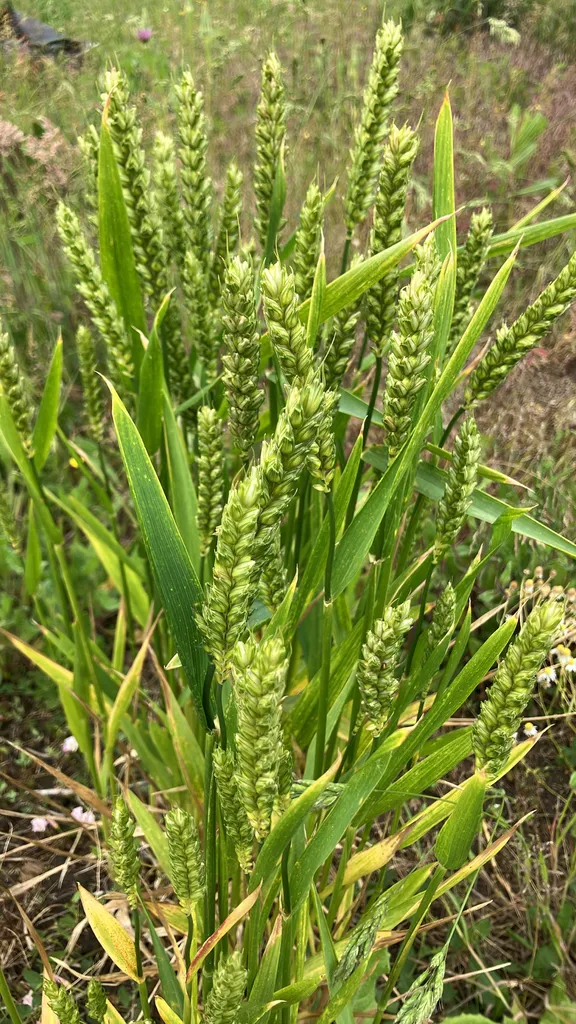
1. bread wheat
Triticum aestivum
A hardy annual utilised for centuries as a cereal crop. Greyish-green leaves are long and narrow. Flowers appear in summer, with seeds ripening in late summer and autumn
Learn more →Get to know 17 plants selected from Bitlis. Discover their scientific names, identifying features and growing needs.
Triticum aestivum
A hardy annual utilised for centuries as a cereal crop. Greyish-green leaves are long and narrow. Flowers appear in summer, with seeds ripening in late summer and autumn
Learn more →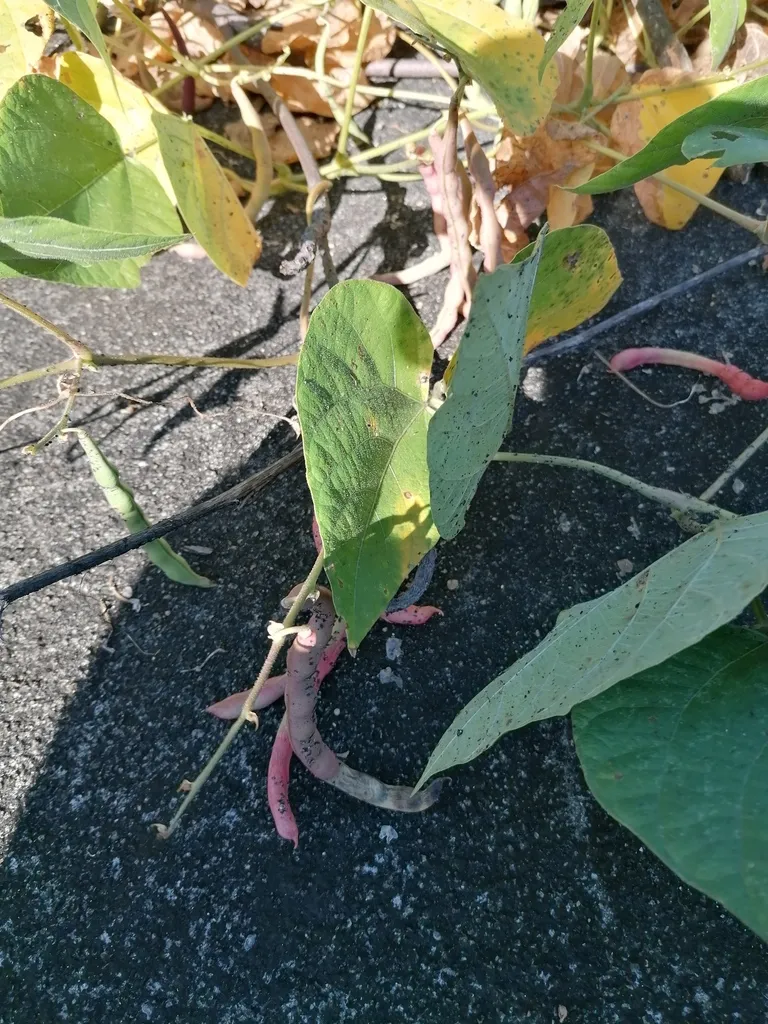
Phaseolus vulgaris
The wild common bean from which a vast number of edible beans have been bred, including all the 'French' beans. They are annual, twining climbers with green tri-foliate leaves, though many selected varieties are dwarf. The flowers are mostl
Learn more →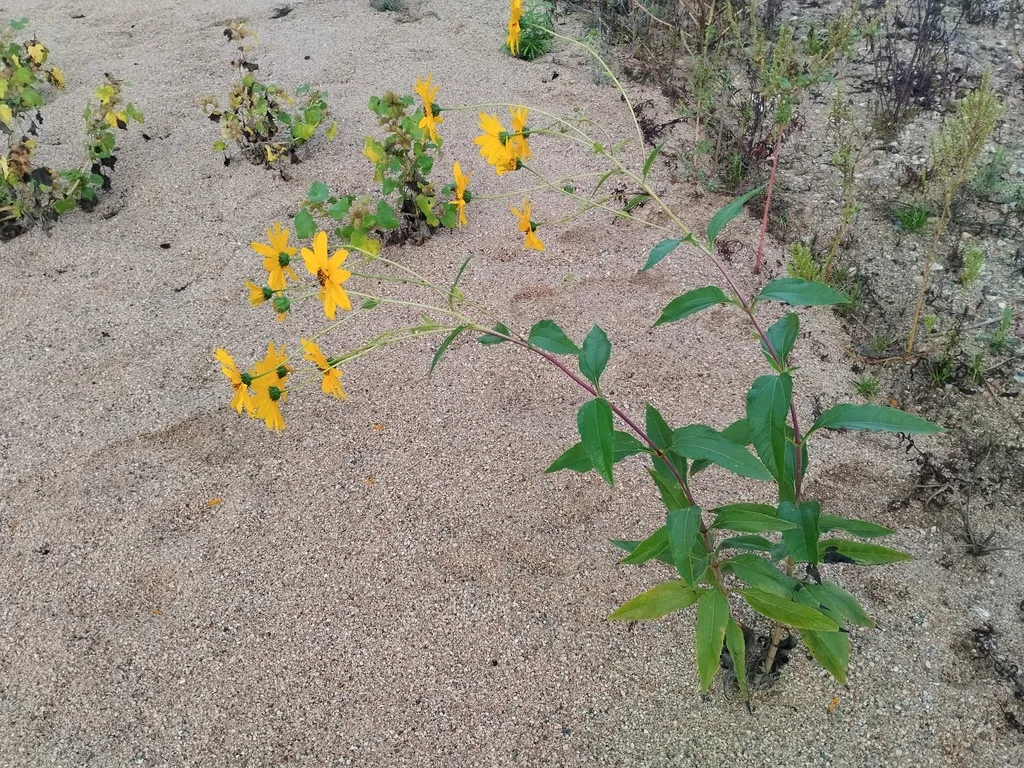
Helianthus tuberosus
A tall, herbaceous perennial reaching 2.5m tall or more, with coarse hairy foliage and small, yellow sunflower-like flowers in summer. It is cultivated for its knobbly, elongated pale-cream or sometimes purple-tinted tubers
Learn more →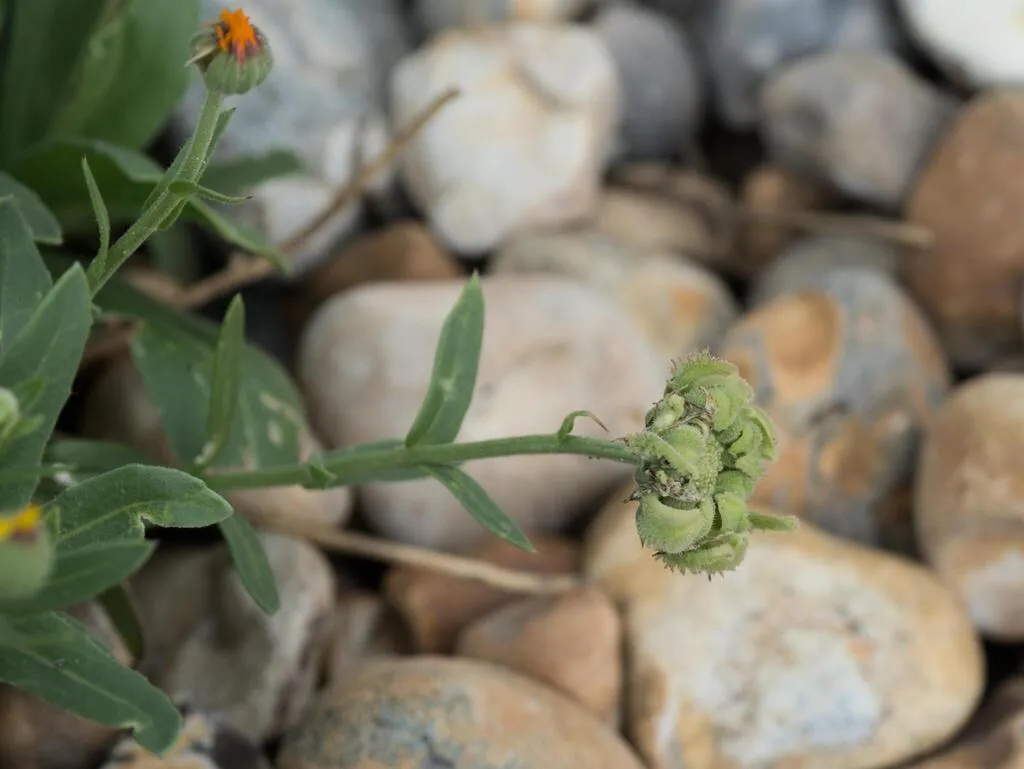
Calendula officinalis
A fast growing annual or biennial with aromatic leaves and heads of vivid orange daisy-like flowers, borne in long succession in the summer and autumn until the first hard frosts
Learn more →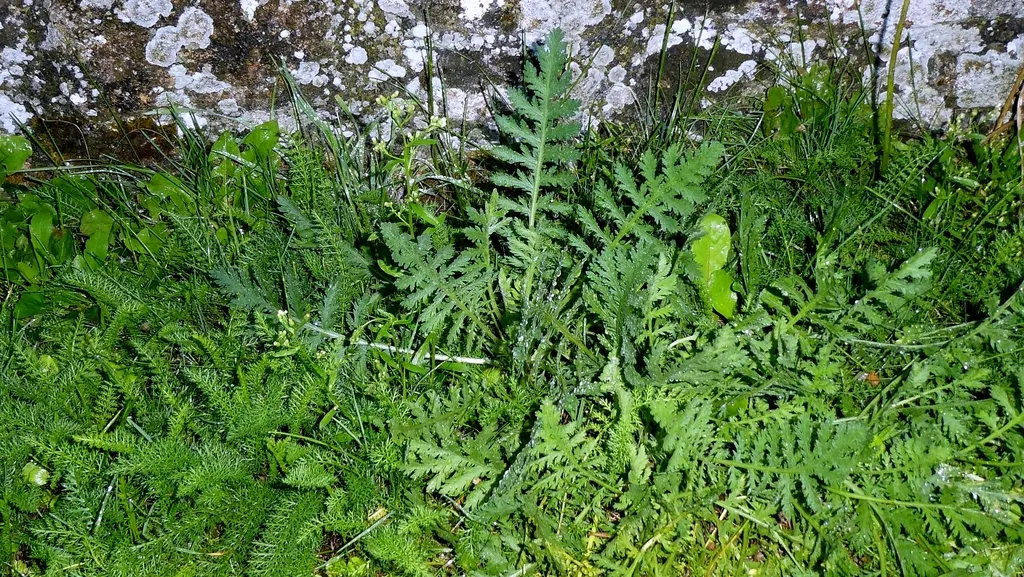
Achillea filipendulina
A tall, robust evergreen perennial to 1.5m, with divided grey-green foliage, and large, flattened heads of golden yellow flowers from early summer to early autumn
Learn more →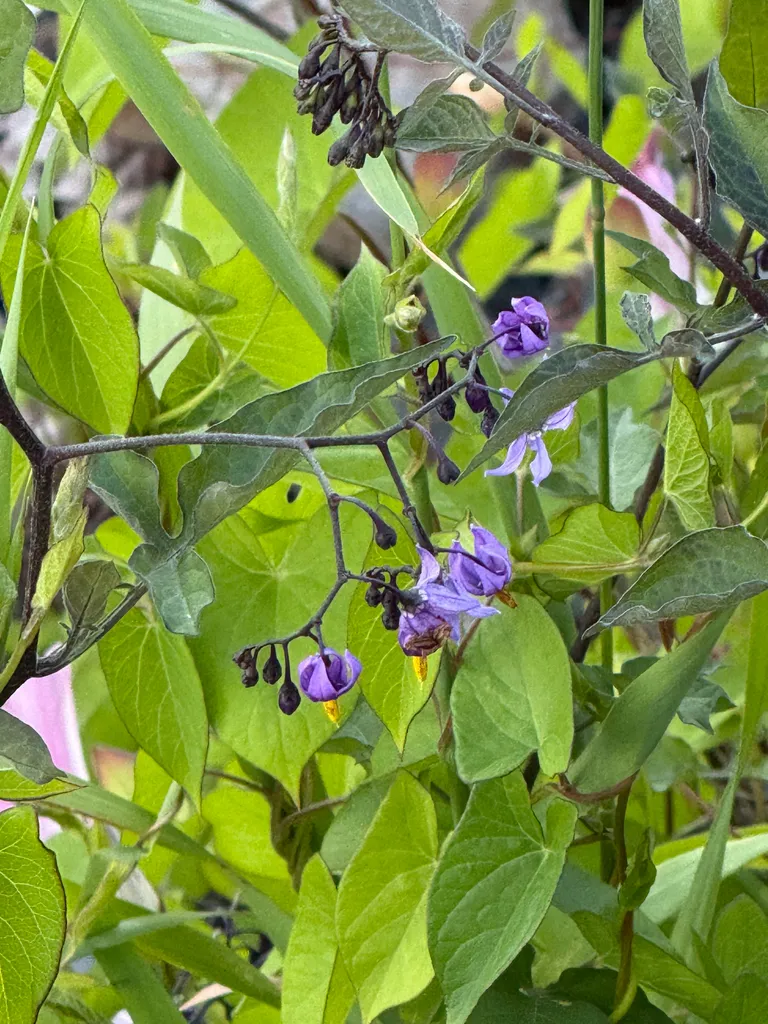
Solanum dulcamara
A deciduous woody, or herbaceous climber reaching 2.5m. It has tri-foliate leaves with one major central one and two small flanking leaflets. Purple flowers with yellow centres develop into green then red jewel-like berries, eaten by birds
Learn more →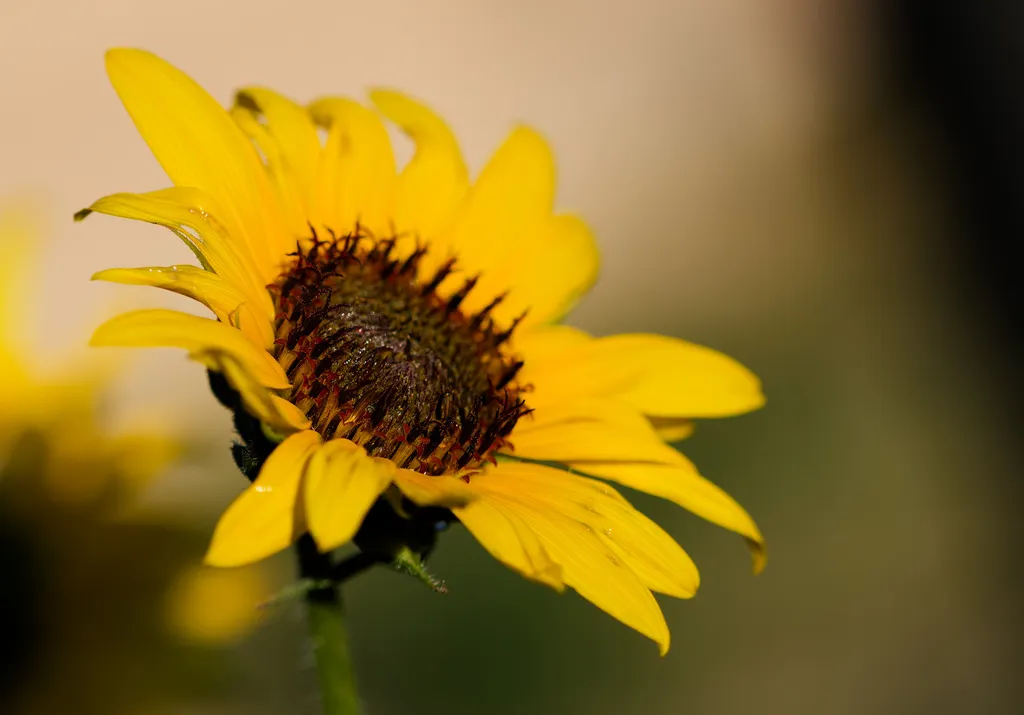
Helianthus annuus
H. annuus is a tall, fast-growing annual with broad, oval to heart-shaped, roughly hairy leaves 10-40cm long. In summer it bears huge flowers up to 30cm across with bright yellow petals and dark brownish or purplish centres. The flowers att
Learn more →
Mirabilis jalapa
M. jalapa is a bushy, tuberous perennial often grown as an annual, with fragrant flowers opening in the afternoon, in a wide range of colours, and sometimes bicoloured
Learn more →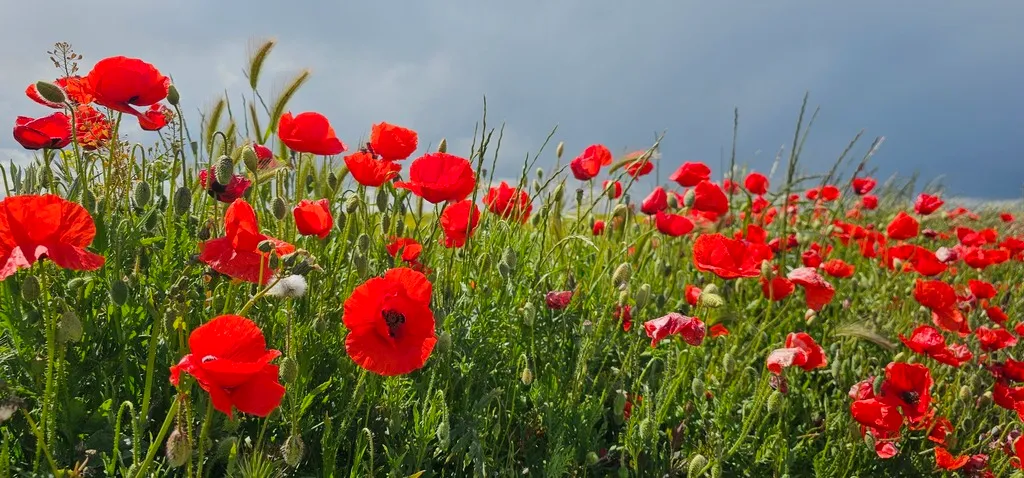
Papaver rhoeas
An erect annual about 75-90cm tall, with oblong, downy light green leaves to 15cm long, and solitary, bright scarlet, bowl-shaped flowers, sometimes marked black at the petal bases, produced in summer, on short downy stalks
Learn more →
Aloe vera
An evergreen perennial to 0.6m, forming rosettes of fleshy, narrow, dull green leaves with spiny margins, with long racemes of tubular greenish-yellow flowers 3cm in length in racemes to 90cm in length
Learn more →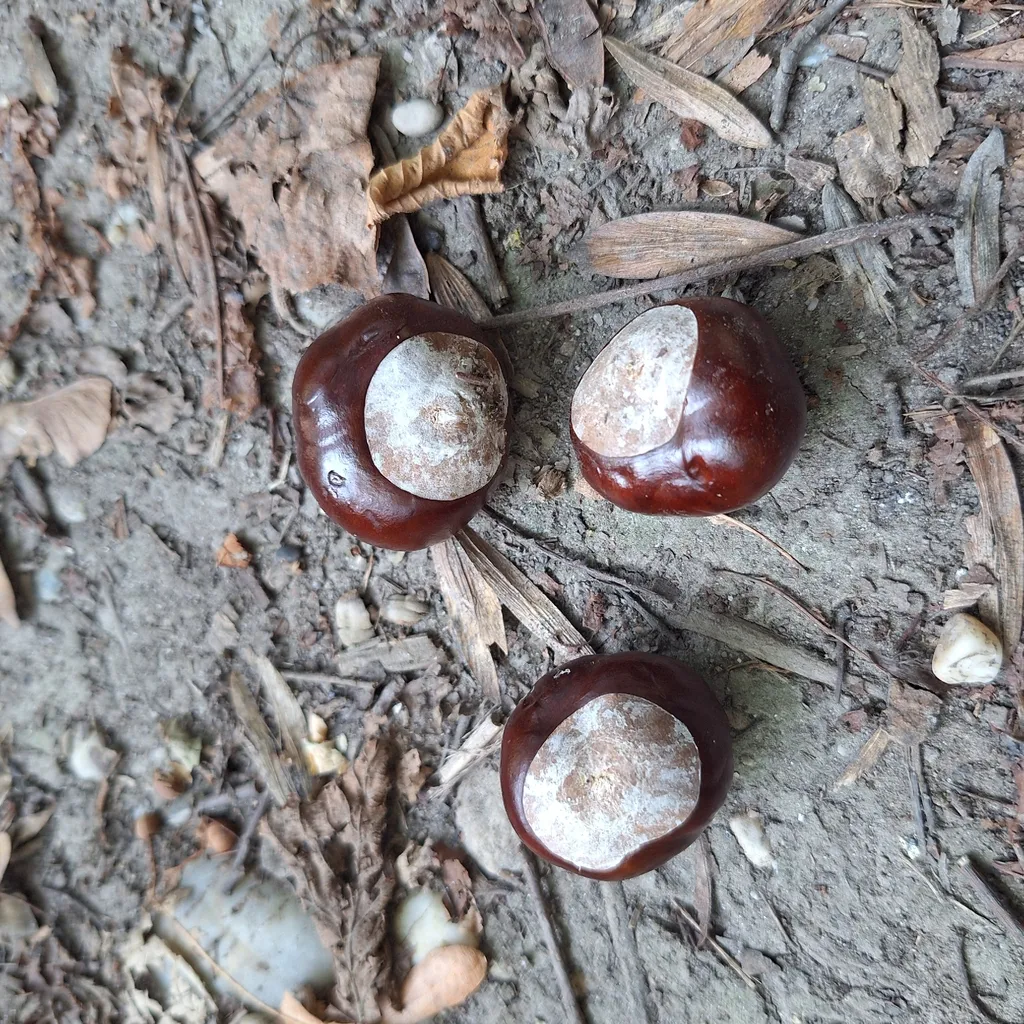
Aesculus hippocastanum
A large, broad-crowned deciduous tree. Leaves large, with 5-7 leaflets, turning red-brown early in autumn. Flowers creamy-white with a yellow spot that turns red with age. Fruit large, spiny
Learn more →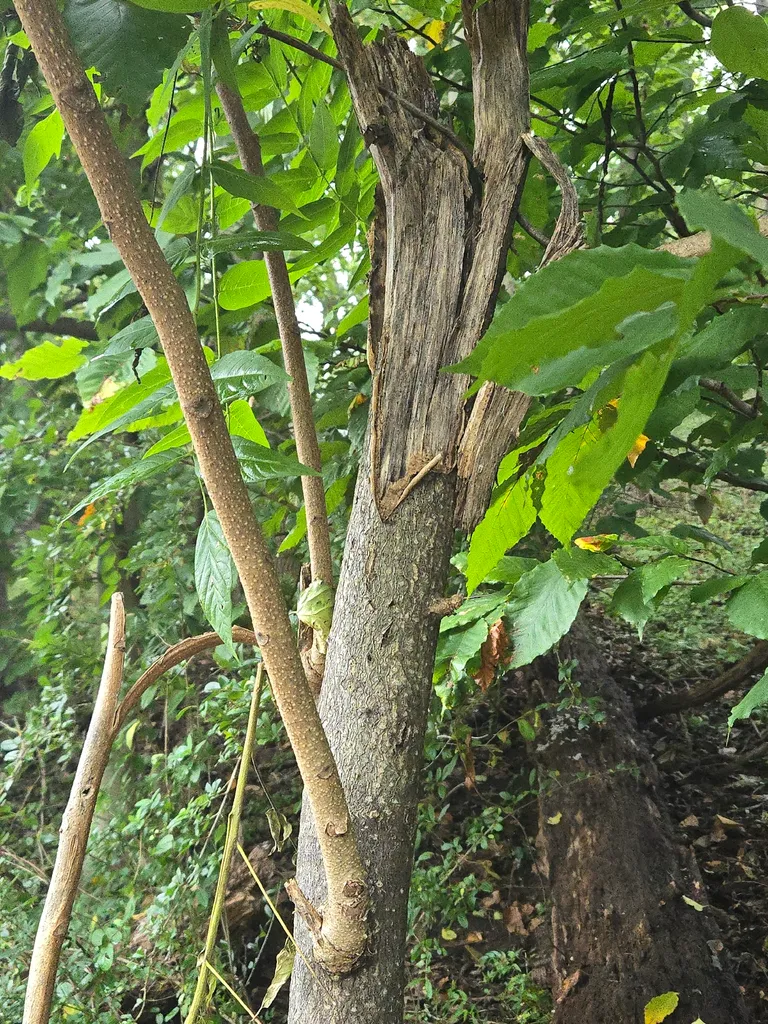
Ailanthus altissima
This plant is listed on Schedule 9 of The Wildlife (Northern Ireland) Order (1985), as amended, as an invasive non-native species and is banned from sale. See cultivation notes for further details\r\n\r\nA spreading tree, often suckering,
Learn more →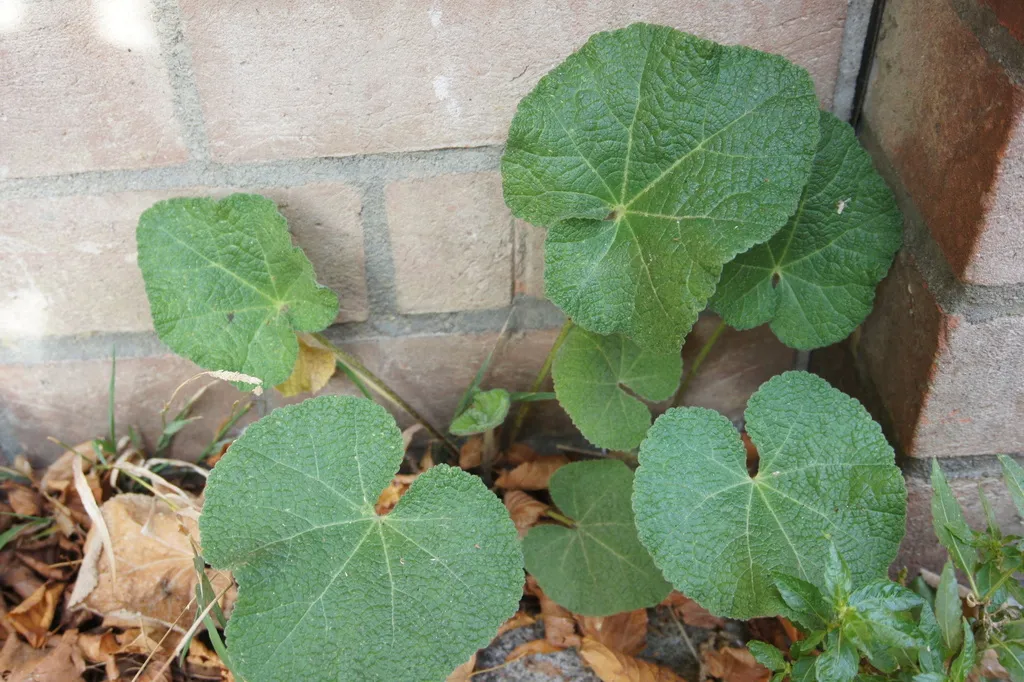
Alcea rosea
A robust biennial or short-lived perennial to 2m or more, with shallowly lobed, rounded leaves and long erect racemes of open funnel-shaped flowers to 10cm across, which may be pink, purple, red, white or yellow
Learn more →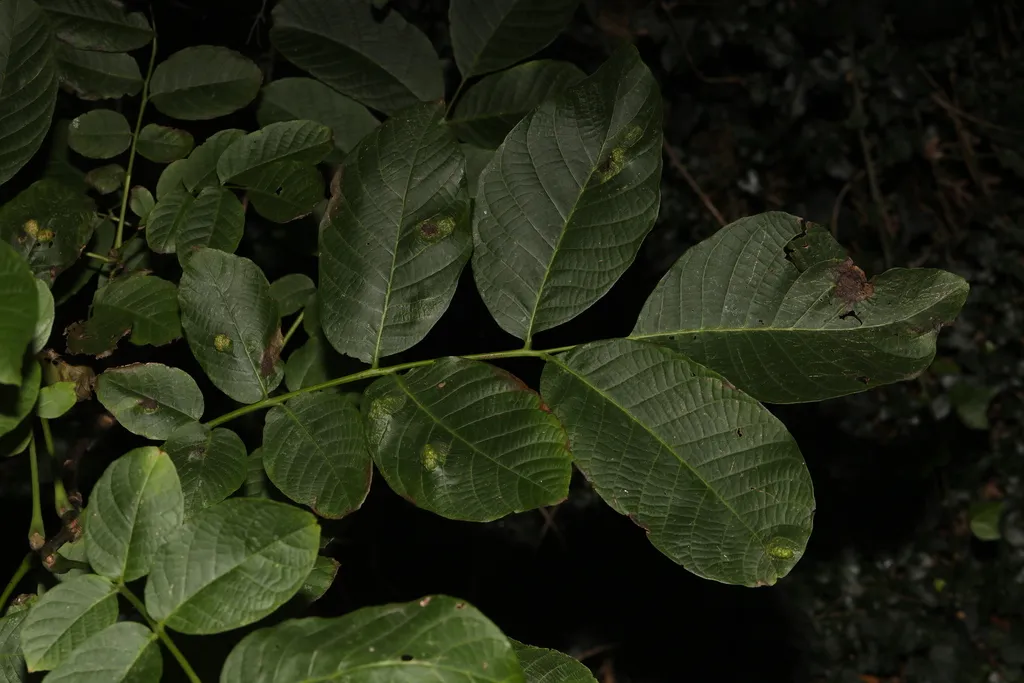
Juglans regia
A medium-sized, broad-crowned deciduous tree. Leaves with 5-7 large oblong leaflets, aromatic when bruised. Male catkins to 10cm in length; fruits green, globose, 5cm in width, with edible kernel
Learn more →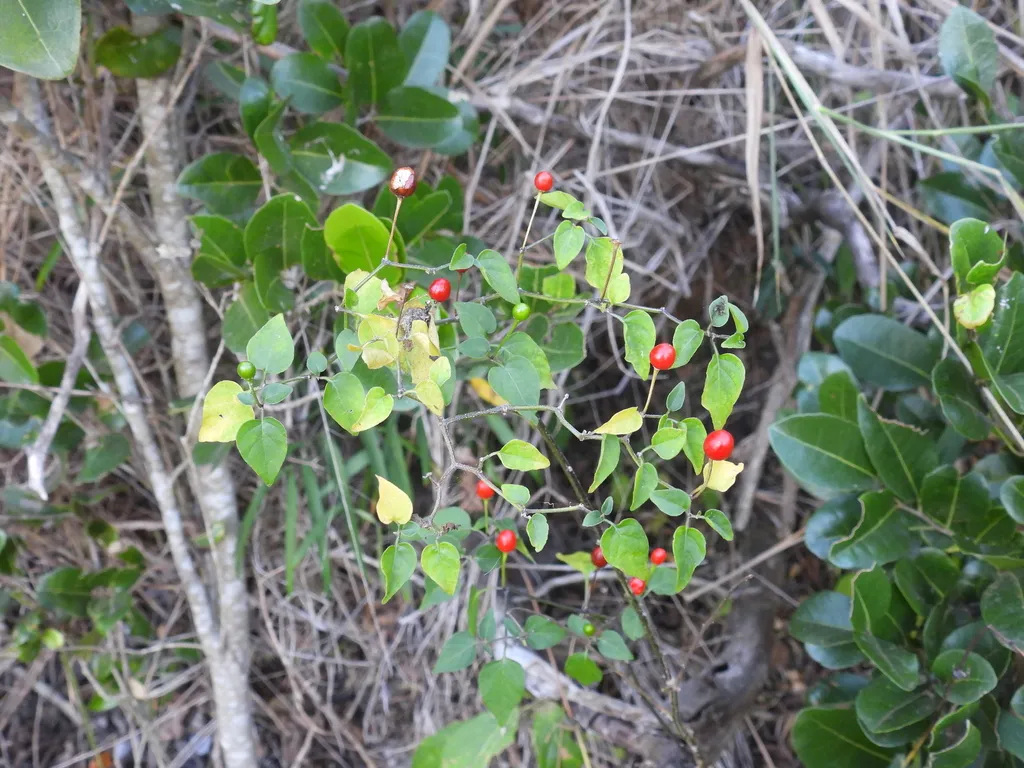
Capsicum annuum
This is the wild plant from which many of our cultivated sweet peppers and chillies have been bred. It shows a wide range of fruit shapes, colours, sizes and degree of capsaicin production - from where the heat may or may not be felt. It ha
Learn more →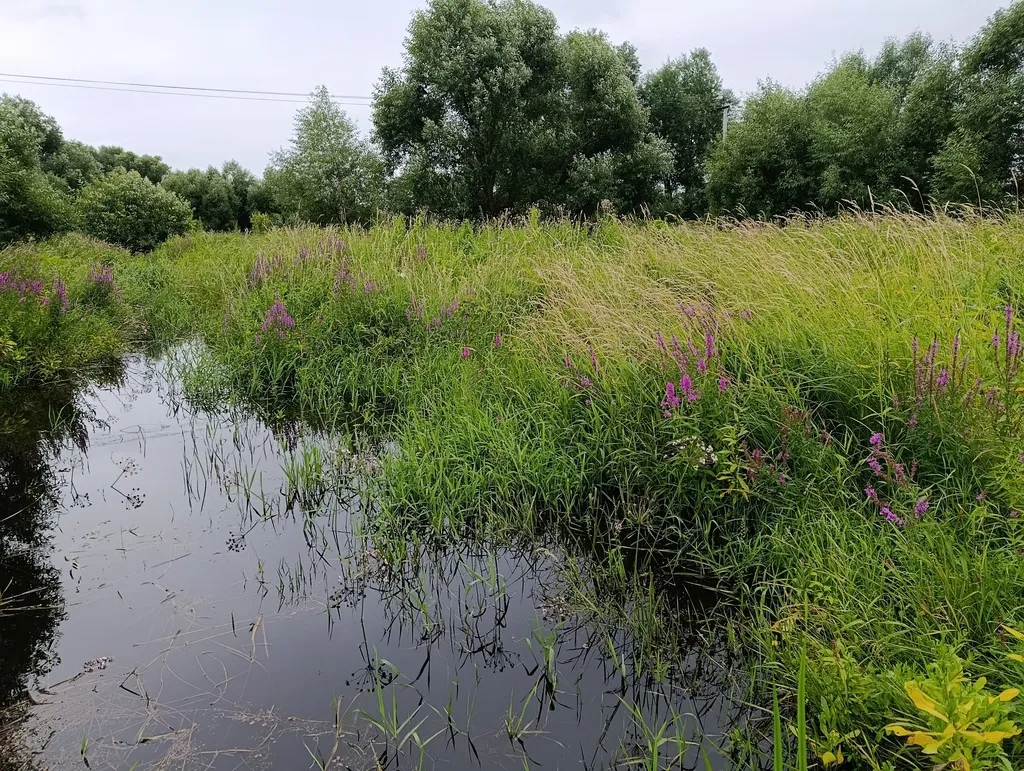
Lythrum salicaria
L. salicaria is a robust herbaceous perennial with upright stems to 1.2m tall, clad in narrow, willowy leaves, and small vivid purplish-pink flowers 2cm wide in dense terminal spikes over a long period in summer
Learn more →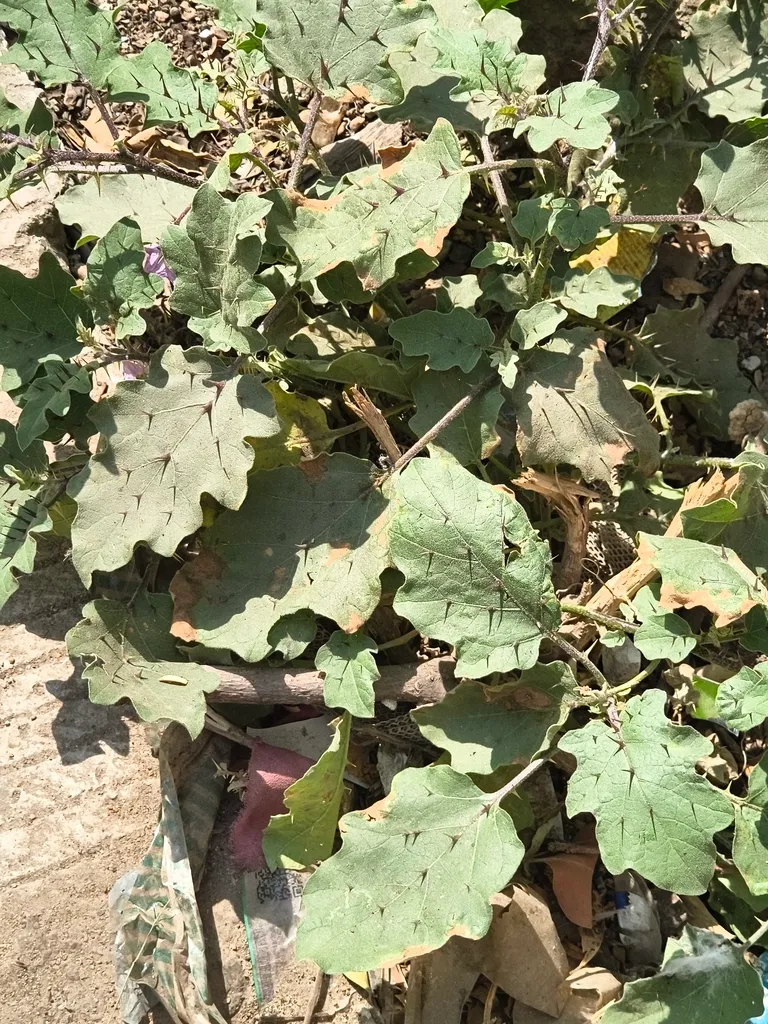
Solanum melongena
This is the wild species of aubergine from which our cultivated vegetable has been bred. In the wild it is perennial, but in the UK it is treated as an annual as it isn't hardy. It has green leaves and a slightly spiny stem. The flowers ar
Learn more →