



Planting and Growing Peperomia rotundifolia

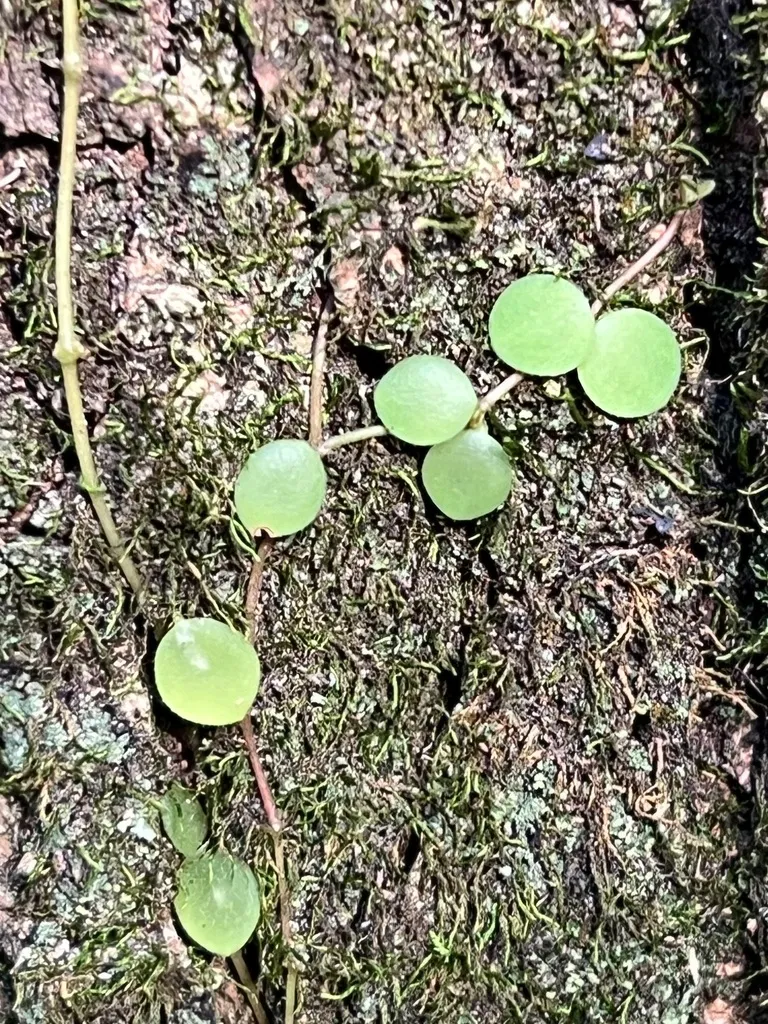
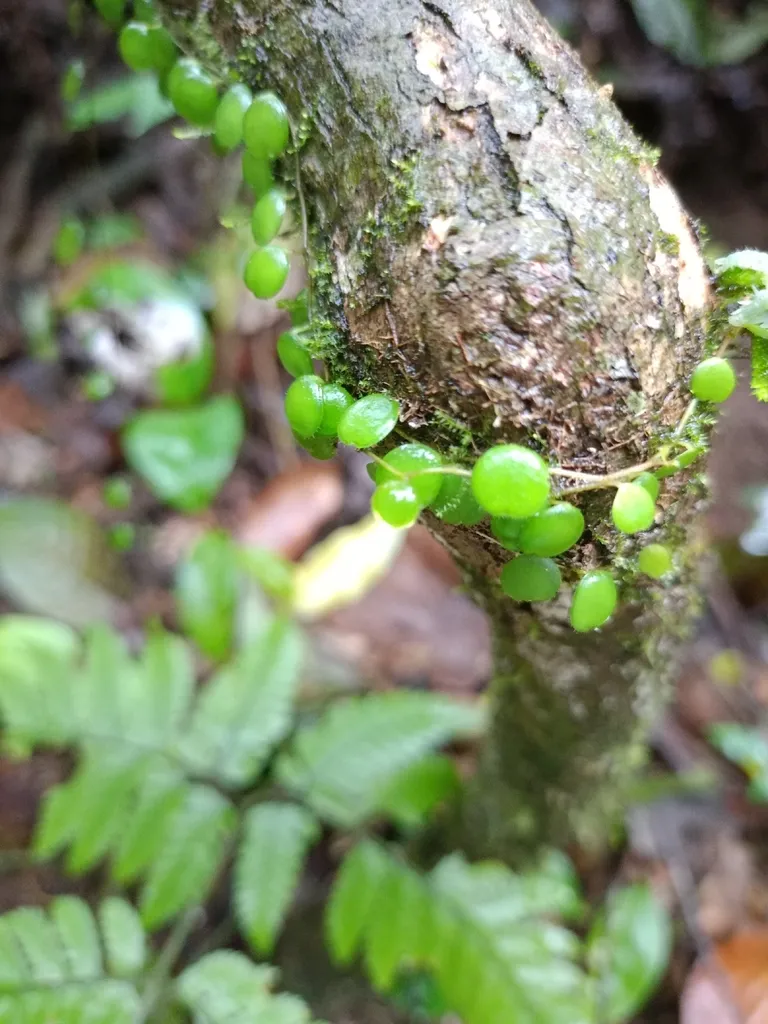
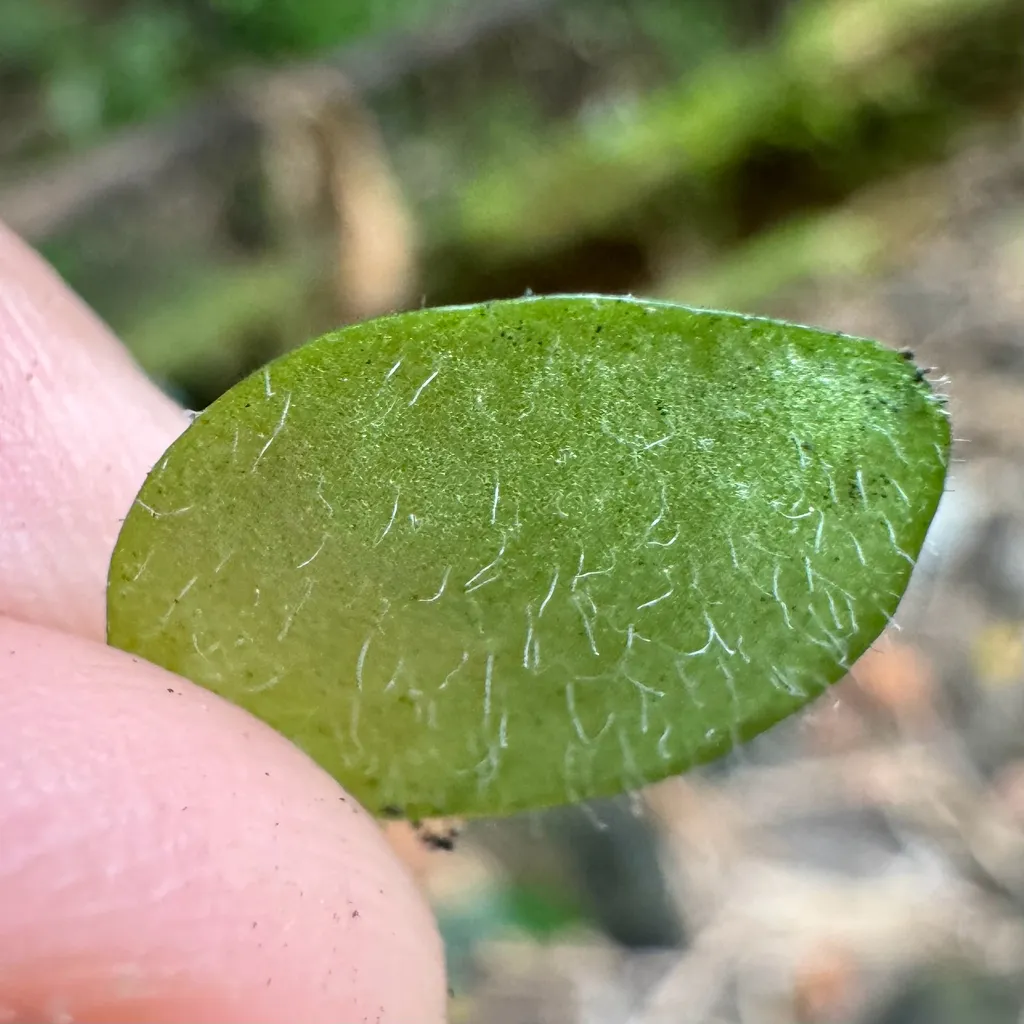
| Care difficulty | 2 / 5 |
|---|---|
| Watering schedule | Water lightly, allowing upper mix to dry between waterings |
| Sunlight requirements | Full sun · Partial shade |
| Ideal temperature | 18 – 27 °C |
| Soil type | Loam · Sand |
| Soil pH | Acid · Alkaline · Neutral |
| Soil moisture | Moist but well drained |
| Fertilizing | Weak balanced feed every few weeks in warm growth |
| Toxicity | Information to be completed |
How to Water Peperomia rotundifolia?
Originating from the rainforests, trailing jade thrives in environments with high humidity and consistent moisture. This species is drought-tolerant but prefers a balance, avoiding over-saturation. For optimal health, trailing jade should be watered twice a week to mimic its natural habitat's conditions. Commonly grown indoors due to its adaptability, trailing jade benefits greatly from regular misting to maintain ambient moisture levels, echoing the humid climate it originates from.
Learn more →What Are the Sunlight Requirements for Peperomia rotundifolia?
Trailing jade thrives in conditions of partial sun, benefiting from bright, indirect light that simulates the dappled sunlight of their native rainforest canopies. When provided with the ideal intensity and duration of light exposure, trailing jade's growth is robust, with its foliage displaying vibrant colors and patterns. While trailing jade can tolerate full sun, excessive direct light may lead to leaf scorch or faded coloration, indicating stress. Adaptive traits such as leaf adjustments help trailing jade cope with varying light levels. Primarily an indoor plant, trailing jade flourishes near east- or west-facing windows where the light is milder. Placement in these locations indoors ensures that trailing jade receives the light it needs without the risk of direct sun damage.
Learn more →What Is the Ideal Temperature Range for Peperomia rotundifolia?

Trailing jade is relatively resilient to temperature variations. It can endure cold extremes down to 5℃ (41℉) and heat levels up to 43℃ (109℉). This adaptability requires mindful care to avoid extremes: utilizing insulation or heating during cold spells and ensuring adequate shading and ventilation in intense heat. Signs of temperature distress include leaf drop or discoloration in cold, and wilting or scorched leaves in heat. Preventive measures, such as moving the plant indoors during frost or providing shade during heatwaves, are essential to maintain trailing jade's health. Suitable for varied climates, trailing jade needs appropriate care to thrive under extreme conditions.
Learn more →What Soil Is Best for Peperomia rotundifolia?
Trailing jade thrives in well-draining soil, as it's prone to root rot. Create a soil mix with equal parts potting mix, perlite, and coarse sand to promote aeration. If sand isn't available, use pumice or orchid bark as alternatives. Adequate drainage is crucial; incorporate a drainage layer at the pot's base. Regularly add a balanced, diluted liquid fertilizer during the growing season for optimal growth. Avoid dense soils and ensure pots have drainage holes.
- Soil type
- Loam · Sand
- Soil pH
- Acid · Alkaline · Neutral
What Are the Moisture Requirements for Peperomia rotundifolia?
Moist but well drained
Learn more →How to Fertilize Peperomia rotundifolia?

For trailing jade, use a high-nitrogen, liquid fertilizer every 3-4 weeks during spring and summer to support dense foliage and robust growth. Dilute to half the recommended strength to avoid fertilizer burn. Cease fertilization in fall and winter as trailing jade's growth slows. A consistent feeding schedule enhances trailing jade's vitality and overall health, but always ensure the soil is moist before applying fertilizer to protect the roots.
Learn more →How to Prune Peperomia rotundifolia?

Trailing jade is a low-growing, trailing plant with small, rounded leaves. For optimal health, prune in early to late spring, just before its active growth period. Remove dead or damaged stems and trim back leggy growth to promote fullness. Regular pruning encourages a compact shape and prevents overgrowth. Use clean, sharp shears to avoid plant damage. Consistent pruning not only enhances its appearance but also stimulates new growth, making it more vibrant and lush.
Learn more →How to Propagate Peperomia rotundifolia?

Trailing jade is a succulent-like perennial featuring lush green, rounded leaves along trailing stems, making it popular with indoor gardeners for its decorative appeal. Propagation typically involves taking stem cuttings, which should include several leaf nodes. These cuttings root readily in well-draining soil or water, given adequate warmth and indirect light. Prior to planting, allowing the cut ends to callous over can enhance the rooting process, whereas maintaining a humid environment aids in successful growth after planting. Regular monitoring for moisture ensures the young plants establish well.
Learn more →How to Transplant Peperomia rotundifolia?
The sun-kissed months are an opportune time to transplant trailing jade, as the warm weather promotes swift root establishment. Choose a bright, indirect light setting and ensure good drainage. Gentle handling of roots during the process will yield best results.
Learn more →How to Care for Peperomia rotundifolia in Winter?

Trailing jade hails from tropical rainforests, hence it's ill-suited to winter's icy clasp. It has no natural adaptation to cold, and freezes spell eminent danger. Nevertheless, trailing jade endures in indoor environments, provided it's not too drafty. As winter care, keep the room temperate, ensure indirect sunlight, and water moderately. A humidifier can recreate trailing jade's native conditions. Wipe leaves regularly to prevent dust accumulation contributing to potential pest infestations.
Learn more →How to Plant Peperomia rotundifolia?
Indoors-potted: Thriving in a snug pot, trailing jade is perfect for indoor hanging baskets where its round leaves can cascade beautifully. Outdoors-potted: When potted outside, trailing jade enjoys shaded patios that mimic its native under-canopy habitat. Outdoors-in the ground: Trailing jade may struggle outdoors in open soil unless placed in a sheltered spot with similar conditions to its tropical origins.
Learn more →How to Repot Peperomia rotundifolia?
The trailing jade flourishes as a petite, trailing plant, ideal for small hanging pots. Repot every 2-3 years in spring, to align with its active growth phase. Choose a slightly larger container with good drainage to accommodate its modest root system. Post-repotting, maintain consistent moisture without waterlogging and provide bright, indirect light to encourage its round, jade-like leaves to thrive.
Learn more →Common Pests & Diseases

Diseases
Generally disease-free
Pests
Generally pest-free
Explore the plant health library →