



Planting and Growing purple spiderwort

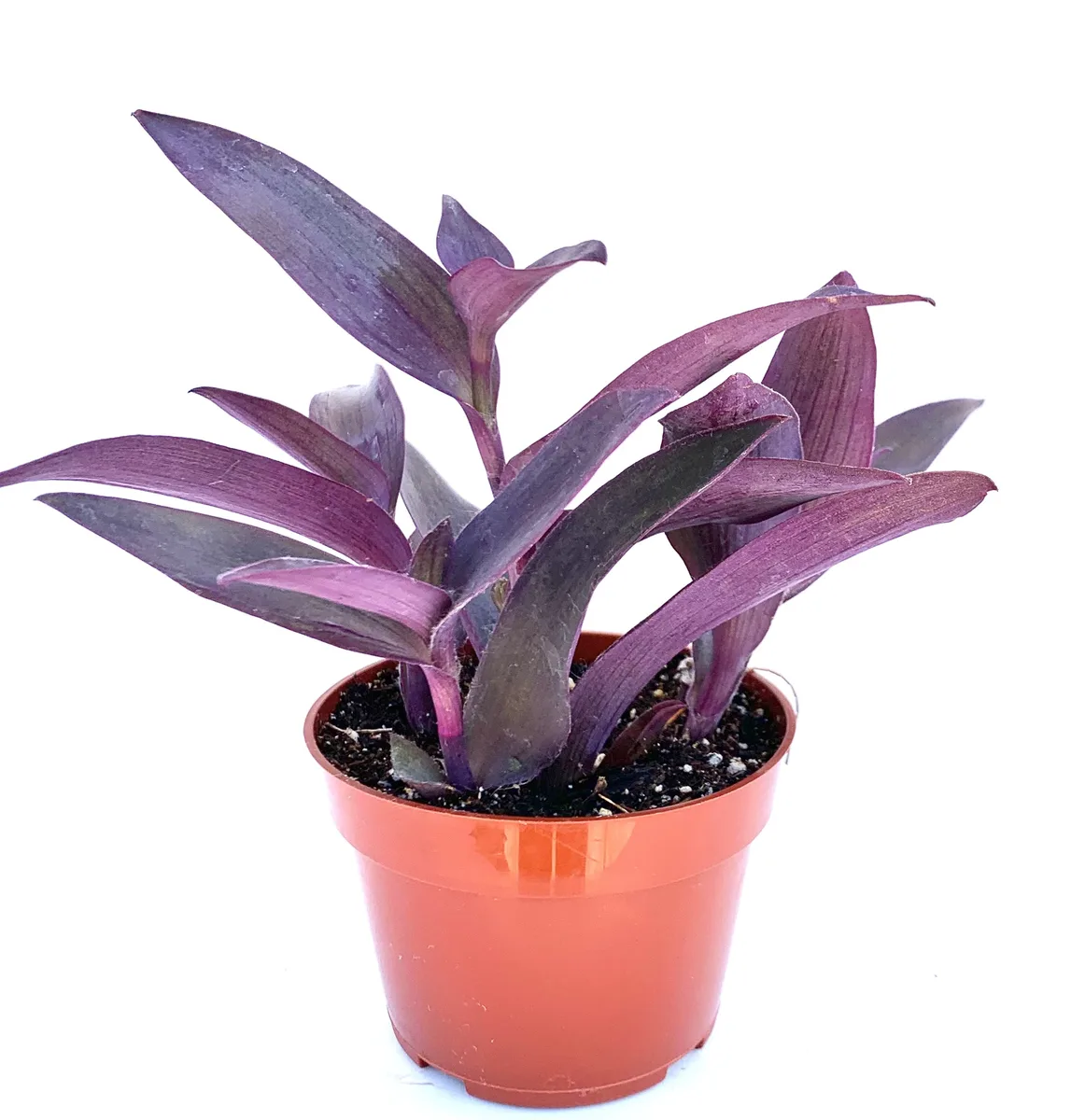
| Care difficulty | 2 / 5 |
|---|---|
| Watering schedule | Evenly moist potting medium, prevent complete substrate dryness |
| Sunlight requirements | Full sun · Partial shade |
| Ideal temperature | Information to be completed |
| Soil type | Loam · Sand |
| Soil pH | Acid · Alkaline · Neutral |
| Soil moisture | Moist but well drained |
| Fertilizing | Diluted foliage spiderwort feed every three weeks growing season |
| Toxicity | Skin allergen. Wear gloves and other protective equipment when handling |
How to Water purple spiderwort?
Evenly moist potting medium, prevent complete substrate dryness
Learn more →What Are the Sunlight Requirements for purple spiderwort?
Full sun · Partial shade
Learn more →What Soil Is Best for purple spiderwort?
- Soil type
- Loam · Sand
- Soil pH
- Acid · Alkaline · Neutral
What Are the Moisture Requirements for purple spiderwort?
Moist but well drained
Learn more →How to Fertilize purple spiderwort?

Diluted foliage spiderwort feed every three weeks growing season
Learn more →How to Prune purple spiderwort?

Pinch growing tips to encourage bushiness
Learn more →How to Propagate purple spiderwort?

Propagate by softwood cuttings using stem tips in spring or summer, rooting in cutting compost or water then pot up into loam-based potting compost (JI No.1)
Learn more →How to Plant purple spiderwort?
Under glass grow in loam-based potting compost (JI No.2) in bright filtered light; water moderately when in active growth using a balanced liquid fertiliser monthly, water sparingly in winter. Outdoors grow in moist, fertile soil in sun or shade. Water freely in dry weather
Learn more →Common Pests & Diseases

Diseases
Generally disease-free
Pests
May be susceptible to red spider mite, mealybugs, aphids, vine weevil and thrips
Explore the plant health library →The Toxicity of purple spiderwort
Skin allergen. Wear gloves and other protective equipment when handling