



Planting and Growing Persian lilac

| Care difficulty | 1 / 5 |
|---|---|
| Watering schedule | Moderate regular watering, allowing brief slight drying between soakings |
| Sunlight requirements | Full sun |
| Ideal temperature | 15 – 25 °C |
| Soil type | Loam · Sand |
| Soil pH | Acid · Alkaline · Neutral |
| Soil moisture | Moist but well drained |
| Fertilizing | Balanced perennial feed every four weeks from spring through summer |
| Toxicity | TOXIC if eaten. Wear gloves and other protective equipment when handling LJD |
How to Water Persian lilac?
Originating from regions with a moderate climate, chinaberry tree has adapted to withstand periods of less frequent rainfall, showcasing a preference for drier conditions. It thrives when watered once every 1-2 weeks, maintaining a balance between moisture and drought tolerance. Given its resilience, chinaberry tree is often cultivated outdoors where it can benefit from natural precipitation patterns. In particular, as a deciduous plant, chinaberry tree's water needs fluctuate with the seasons—requiring more hydration during the growing season and less as it approaches dormancy.
Learn more →What Are the Sunlight Requirements for Persian lilac?
Chinaberry tree thrives best in full sun, which fosters optimal growth, robust health, and abundant flowering. Exposure to direct sunlight for most of the day maximizes the plant’s potential. While chinaberry tree can tolerate partial sun, lesser light exposure might lead to reduced growth rate and fewer flowers. Typically resilient, chinaberry tree can adjust its foliage density in response to light variations, which helps in adapting to different light conditions. For outdoor planting, ensure a location that guarantees several hours of direct sunlight, avoiding deeply shaded areas.
Learn more →What Is the Ideal Temperature Range for Persian lilac?

Chinaberry tree demonstrates notable resilience to temperature fluctuations, tolerating cold down to -10℃ (14℉) and heat up to 43℃ (109℉). This broad temperature tolerance range makes it adaptable to a variety of climates, though extremes may necessitate protective measures. In cold conditions, chinaberry tree may exhibit leaf drop and reduced growth, while excessive heat can lead to wilting and sunburn. To mitigate overcooling, consider using mulch and anti-frost fabrics; for overheating, ensure ample watering and mulching to retain soil moisture. Understanding chinaberry tree's temperature tolerance helps in optimizing care to maintain its health and vitality across different environments.
Learn more →What Soil Is Best for Persian lilac?
Native to South and Southeast Asia, chinaberry tree thrives in well-draining soils with pH levels ranging from acidic to alkaline (5.5-8.0). It naturally grows in sandy, loamy, or chalky soils rich in organic matter. To replicate these conditions, use a mix of 1 part garden soil, 1 part sand or perlite, and 1 part compost. Ensure good drainage by adding coarse materials and avoid water-logging. For optimal growth, consider periodic applications of balanced fertilizers during the growing season.
- Soil type
- Loam · Sand
- Soil pH
- Acid · Alkaline · Neutral
What Are the Moisture Requirements for Persian lilac?
Moist but well drained
Learn more →How to Fertilize Persian lilac?

For optimal growth, chinaberry tree benefits from balanced nutrition or high-nitrogen fertilizer. Fertilizing encourages vigorous growth, vibrant foliage, and plentiful fruiting. Seasonal changes, particularly spring and summer, call for increased fertilizing frequency—every 4-6 weeks. Young chinaberry tree tend to demand more nitrogen for growth, while established trees benefit from balanced nutrients for fruit production. Use a slow-release fertilizer to prevent root burn and ensure even nutrient distribution. Heed the recommended dose on the product label to avoid over-fertilization, which can lead to lush but weak growth. As weather cools, reduce applications to prevent unnecessary stress on chinaberry tree.
Learn more →How to Prune Persian lilac?

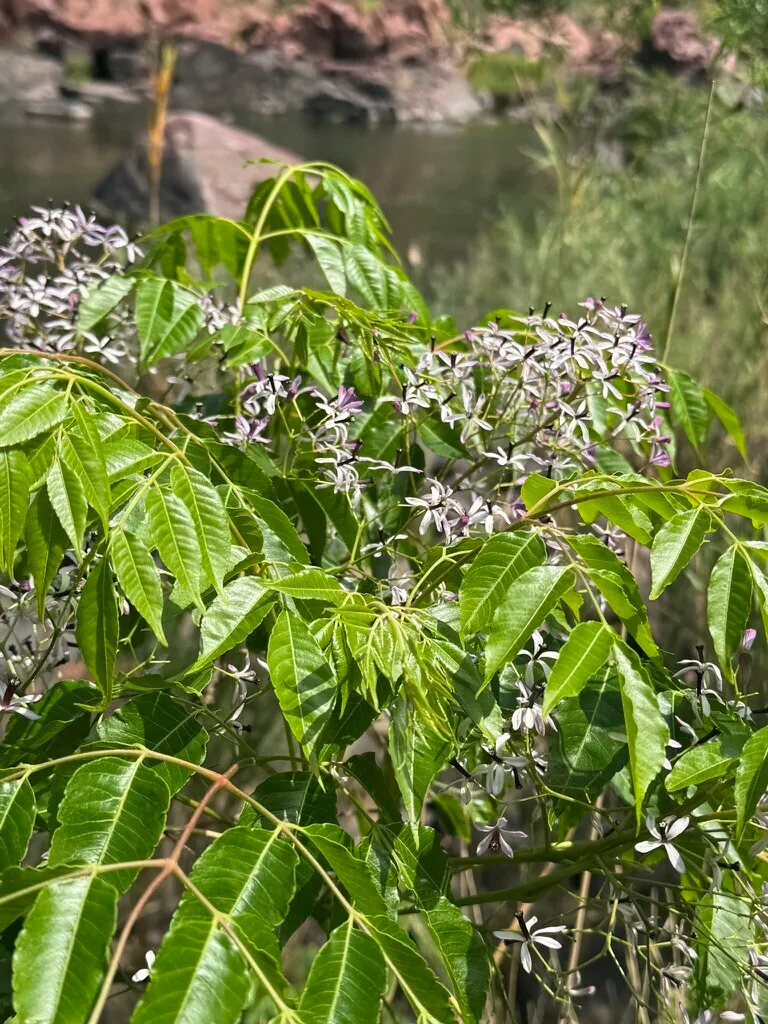
Chinaberry tree, identified by its characteristic feathery leaves and blonde berries, benefits from pruning in early spring. Remove dead or diseased branches and thin out crowded areas to promote airflow. Prune young plants to develop a strong structure by selecting a central leader and trimming competing side branches. This timing aligns with the growth cycle, ensuring vigorous regrowth and healthier development. Regular pruning also minimizes the risk of pest infestations and improves overall plant aesthetics.
Learn more →How to Propagate Persian lilac?

Chinaberry tree is propagated in autumn and winter using hardwood cuttings, layering (air), and seed sowing methods. Propagation difficulty varies depending on the method. Successful propagation is indicated by the development of healthy new growth. Tips for successful propagation include using well-drained soil and keeping the plant in a warm, humid environment.
Learn more →How to Transplant Persian lilac?
For chinaberry tree, the optimal period for relocation is the warm window of late spring to midsummer, ensuring vigorous root establishment. Select a sunny site with well-draining soil. Gently acclimate the tree to prevent transplant shock, which is fundamental for successful transition.
Learn more →How to Care for Persian lilac in Winter?

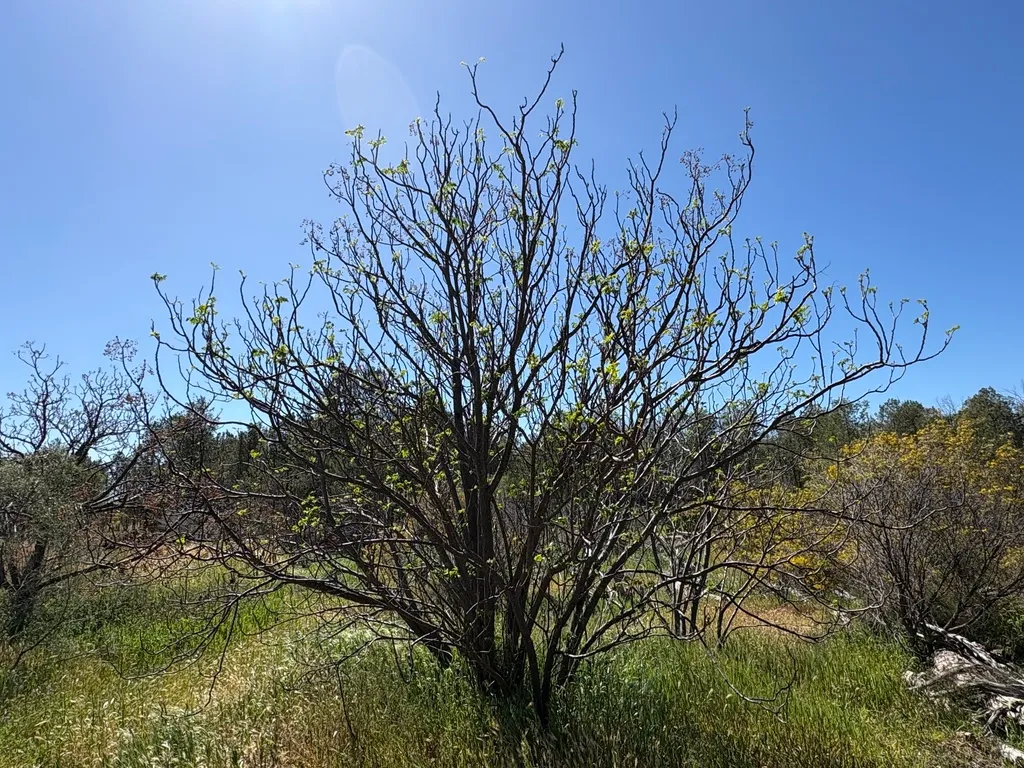
Chinaberry tree hails from warm climates and sunny regions of Asia. Naturally adapted to these cool but not freezing winters, the plant enters a dormant state to conserve energy. However, in colder climates, gardeners need to mulch chinaberry tree's roots, ensuring ground temperature moderation. Proper hydration is essential before the freeze, with due attention to pruning to eradicate dead branches preventing overall winter damage.
Learn more →How to Plant Persian lilac?
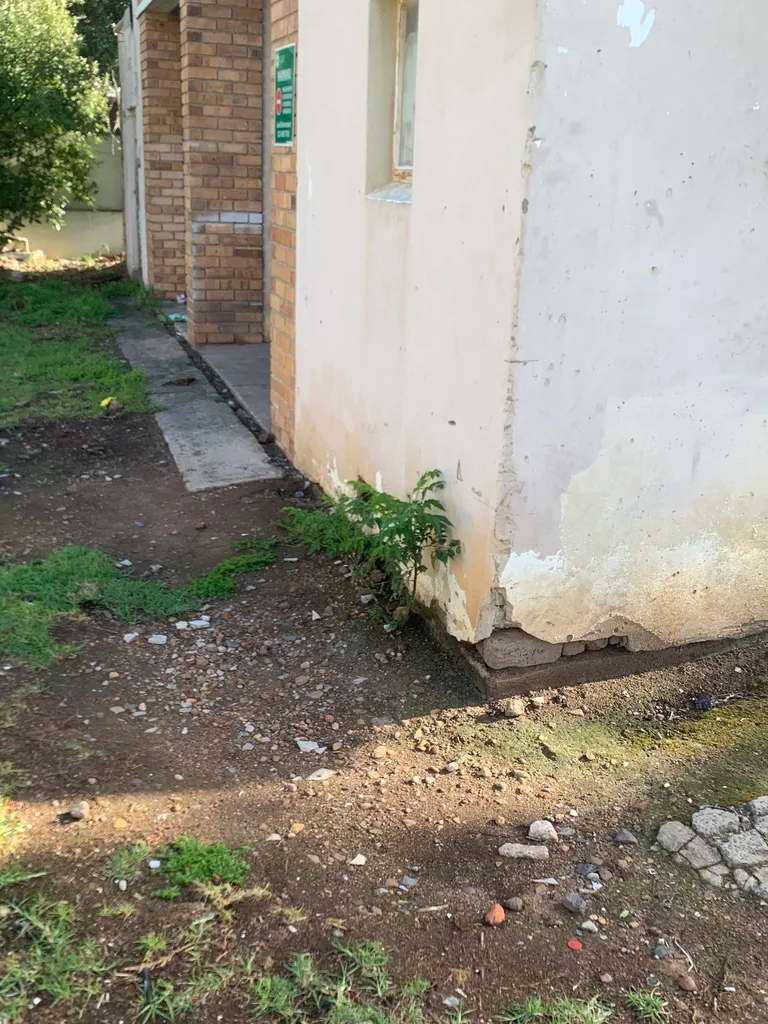
Indoors-potted: Thriving as a potted statement, chinaberry tree requires regular pruning to maintain size and promote fuller foliage indoors. Outdoors-potted: Potted outdoors, chinaberry tree enjoys seasonal transitions, showcasing its deciduous nature with a stunning leaf display. Outdoors-in the ground: In-ground, chinaberry tree is robust, but beware of its expansive root system which can disrupt nearby structures.
Learn more →Common Pests & Diseases

Diseases
Generally disease-free
Pests
May be susceptible to glasshouse red spider mite
Explore the plant health library →The Toxicity of Persian lilac
TOXIC if eaten. Wear gloves and other protective equipment when handling LJD