
Persian lilac
Also known as: African lilac; bakain; bead tree; Cape lilac; Ceylon cedar; Ceylon mahogany; chinaberry; false sycamore; hill margosa; holy tree; Indian lilac; lunumidella; margosa tree; pride of China; Syrian bead tree; pride of India; syringa; white cedar
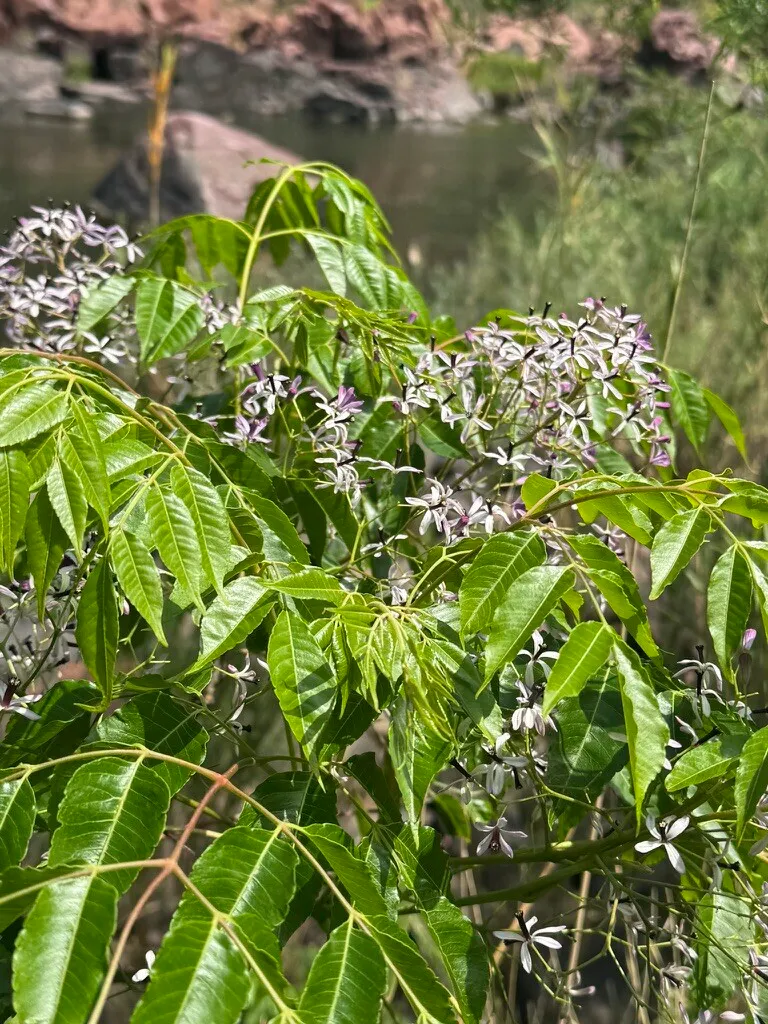
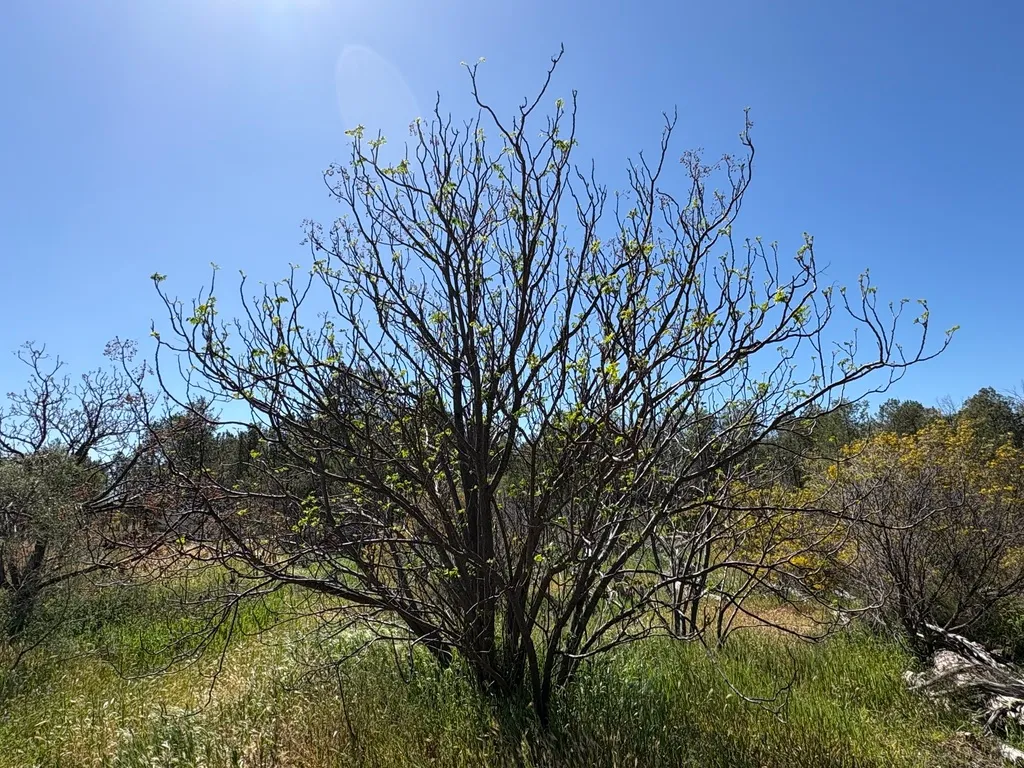
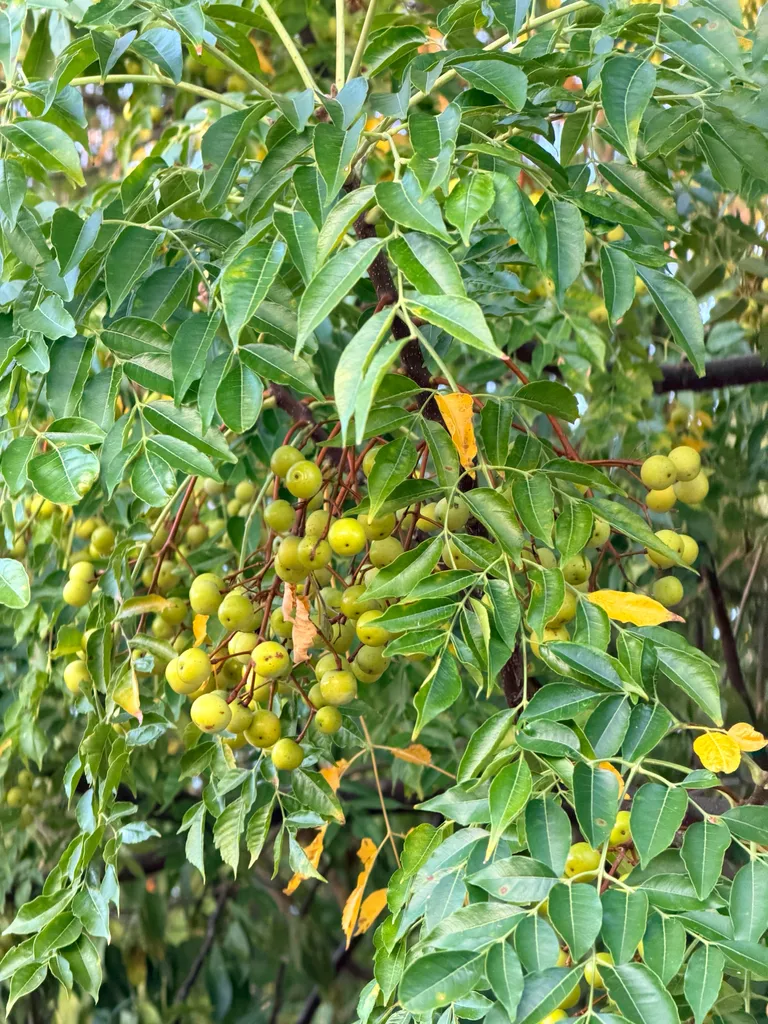
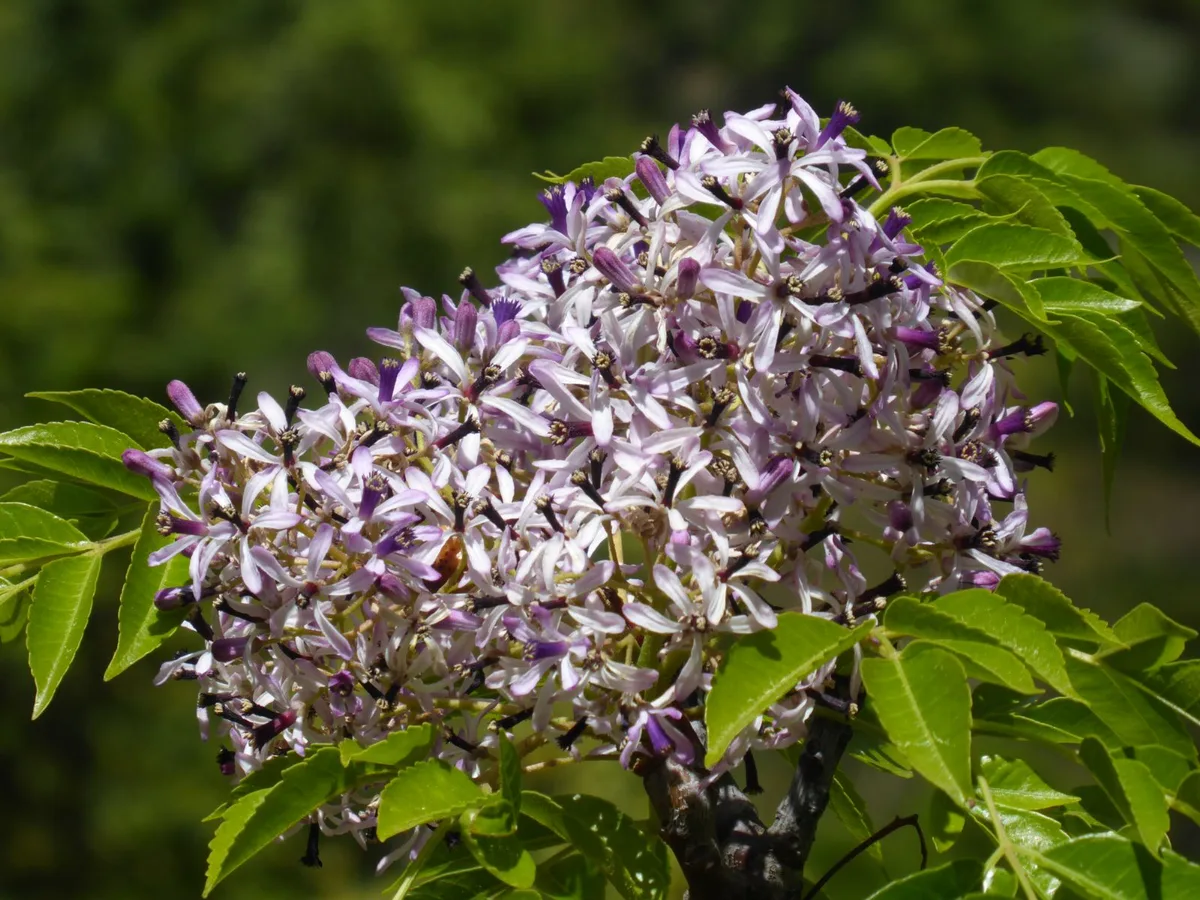
A fast-growing, many-branched deciduous tree, to 15m tall in its native warm temperate India and China. The pinnnate leaves are composed of numerous glossy, ovate leaflets. In spring and early summer it produces a profusion of fragrant, pale lilac, star-shaped flowers in loose, arching clusters; these are followed by ovoid, yellow fruit to 1cm long. It is, however, unlikey to flower or fruit when grown as a conservatory specimen
Scientific classification
- Species
- Persian lilac (Melia azedarach)
- Genus
- Melia
- Family
- Meliaceae
- TOXIC if eaten. Wear gloves and other protective equipment when handling LJD
- Toxicity
- Trees
- Plant type
- 1.5-2.5 metres
- Height
- 1-1.5 metres
- Spread
- Deciduous
- Foliage
- Information to be completed
- Habit
- Spring · Summer · Autumn
- Season of interest
- Full sun
- Sunlight
- 15 – 25 °C
- Ideal temperature









Persian lilac pictures

Distribution of Persian lilac
Distribution map
N. India, China
Information to be completed
Culture
Information to be completed
Toxicity
TOXIC if eaten. Wear gloves and other protective equipment when handling LJD
Quick identification of Persian lilac
Information to be completed
Persian lilac care guide
- Moderate regular watering, allowing brief slight drying between soakings
- Watering
- Full sun
- Sunlight
- 15 – 25 °C
- Ideal temperature

Watering
Moderate regular watering, allowing brief slight drying between soakings
Fertilizing
 Fertilizing
Balanced perennial feed every four weeks from spring through summer
Pruning
 Pruning
Little pruning is needed. Remove diseased, damaged, crowded or crossing shoots and unwanted growth. Timing depends on the plant: generally late winter or early spring; plants prone to bleeding and deciduous magnolias need different timing, and deciduous azaleas and lilacs are pruned after flowering.
Propagation
 Propagation
Propagate by sowing seed in spring, or root softwood cuttings with bottom heat in summer
Growing
 Growing
Under glass, grow in loam-based potting compost in full light. In the growing season, water freely and apply a balanced liquid fertiliser monthly; water sparingly in winter
People also ask
Information to be completed
Common pests and diseases
Diseases
Generally disease-free
Pests
May be susceptible to glasshouse red spider mite
Explore the plant health library →




