



Planting and Growing fig

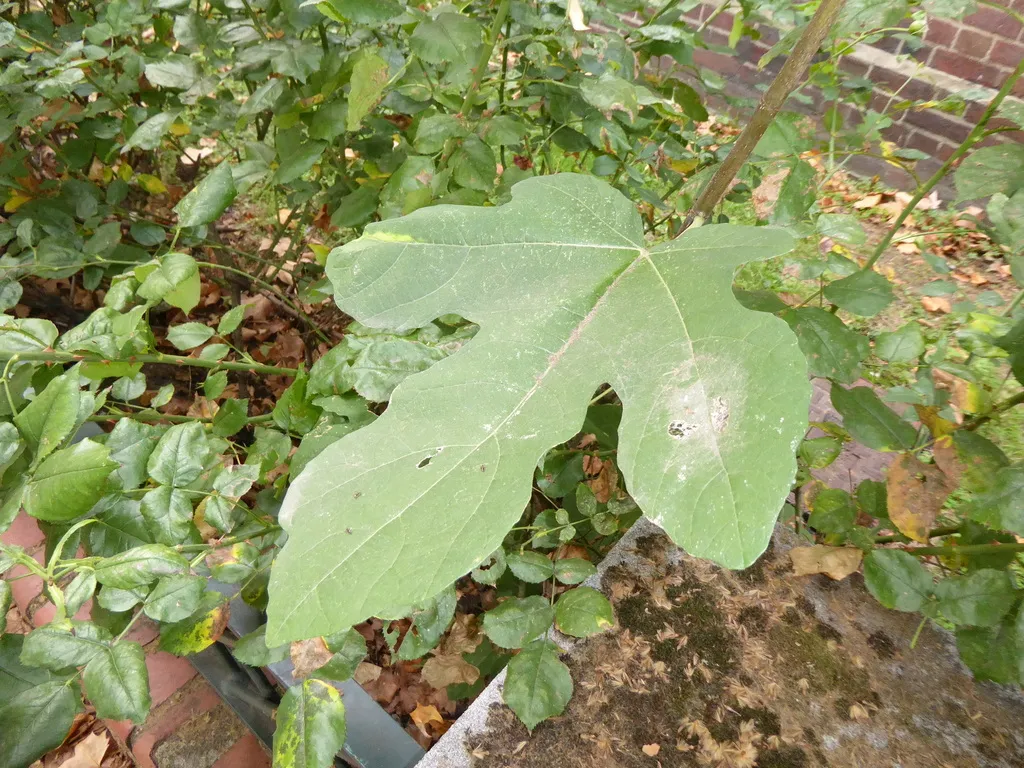
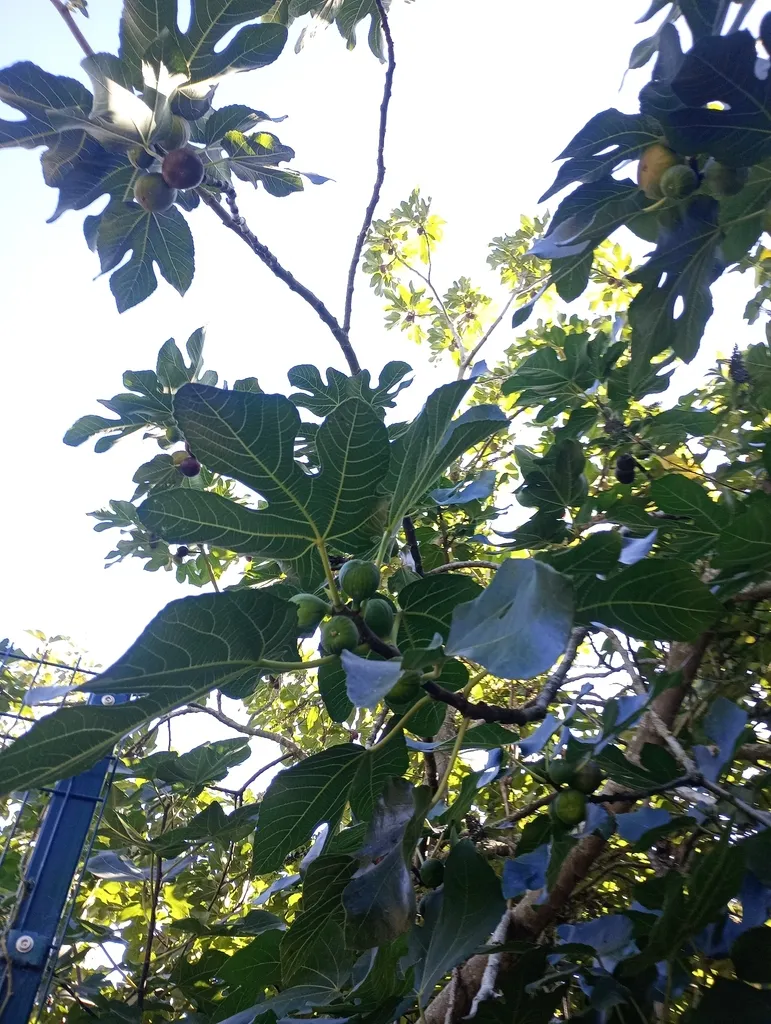
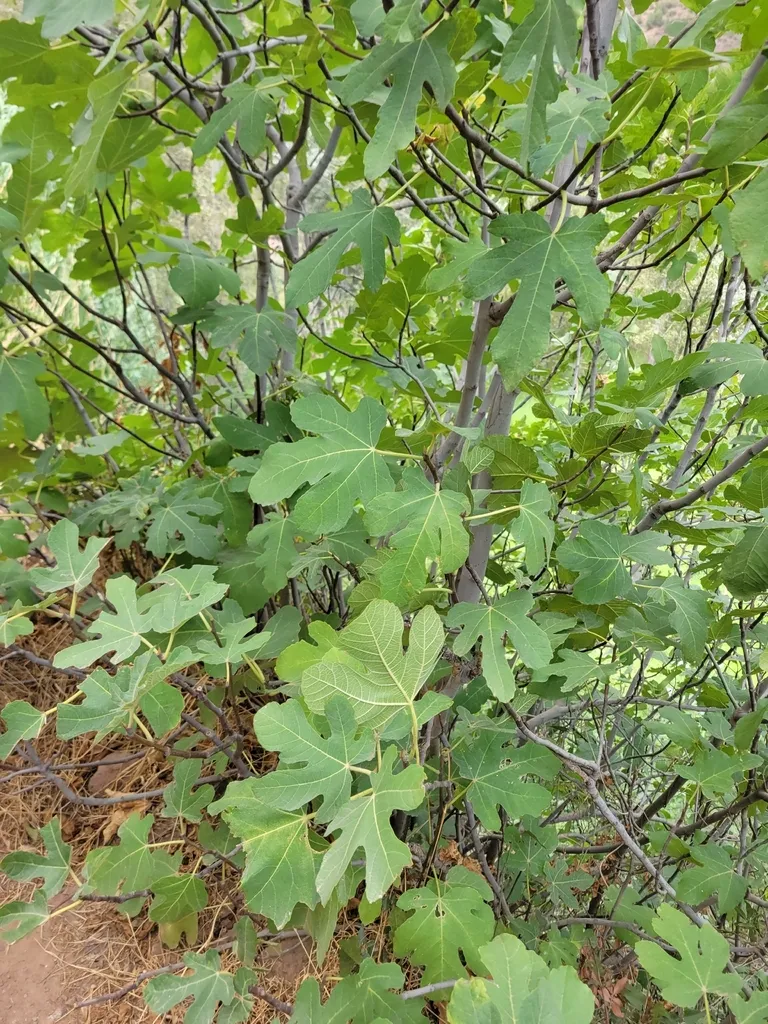
| Care difficulty | 3 / 5 |
|---|---|
| Watering schedule | Water deeply when soil is dry to touch, reduce in winter |
| Sunlight requirements | Full sun |
| Ideal temperature | 18 – 30 °C |
| Soil type | Chalk · Loam · Sand |
| Soil pH | Alkaline · Neutral |
| Soil moisture | Moist but well drained · Well drained |
| Fertilizing | Monthly during growing season |
| Toxicity | Harmful to skin with sunlight. Wear gloves and other protective equipment when handling |
How to Water fig?
Common fig thrives in warm and dry climates, reflecting its Mediterranean origins where water is sporadically available. This species has adapted to make efficient use of infrequent moisture, exhibiting moderate drought tolerance. Regular watering should be adjusted to once every 1-2 weeks, ensuring the soil dries out between sessions. As a deciduous plant commonly grown outdoors, common fig's water needs are particularly critical during its growing season when it develops fruit; adequate hydration can significantly impact both the quantity and quality of its yield.
Learn more →What Are the Sunlight Requirements for fig?
Common fig thrives under full sun conditions, where it can bask in sunlight for at least 6-8 hours per day, optimizing photosynthesis for lush growth and fruitful harvests. This plant exhibits good tolerance for partial sun, adapting to slightly shaded environments; however, excessive shading can lead to reduced fruit production and vigor. Adaptive traits such as large leaves facilitate photosynthetic efficiency in variable light. Common fig is typically an outdoor plant; hence, it flourishes best when planted in open areas that receive ample sunlight, away from larger trees or structures that might cast excessive shade.
Learn more →What Is the Ideal Temperature Range for fig?

Common fig shows remarkable resilience to temperature variations, enduring cold down to -20°C (-4°F) and heat up to 43°C (109°F). This adaptability means common fig can thrive in diverse climates, though care is crucial during extremes. In cold conditions, watch for leaf drop or branch dieback; in heat, look for wilting or scorched leaves. Protect common fig from overcooling through mulching and frost covers, and from overheating with ample watering and shade. This wide temperature tolerance makes common fig suitable for many regions, but proactive care is essential during non-ideal weather to maintain plant health.
Learn more →What Soil Is Best for fig?
Common fig prefers fertile soil and cannot resist barren ground. It does not like sticky soil with poor drainage, so a plot rich in organic substances and not easily compacted is preferred. The soil should be slightly acid, with a pH of 6-6.5. When used as a potted plant, mix leaf mold, garden soil, and organic fertilizer at a ratio of 4:3:3.
- Soil type
- Chalk · Loam · Sand
- Soil pH
- Alkaline · Neutral
What Are the Moisture Requirements for fig?
Moist but well drained · Well drained
Learn more →How to Fertilize fig?

For common fig, spring and summer fertilization encourages robust growth and fruiting. Apply a balanced fertilizer monthly – consider a 10-10-10 NPK blend. During the growth period, increase to bi-weekly applications. A lighter feeding in autumn aids in winter preparation, while in winter, abstain from fertilizing. Always water common fig well post-fertilization to distribute nutrients and prevent root burn. Keep quantities modest to avoid over-fertilization; observe the manufacturer's recommended rates. Young common fig may have higher nutritional needs during their initial growth phase. Lastly, ensure that fertilizer is applied to the soil around common fig, not directly on the trunk or foliage.
Learn more →How to Prune fig?

Common fig, known for its broad leaves and sweet fruit, thrives with proper pruning. Conduct pruning in early to late winter when the plant is dormant to encourage healthy growth. Remove dead or weak branches first, then thin out the canopy to improve air circulation. Aim to maintain a balanced shape and prevent overcrowding. This approach boosts fruit production, reduces disease risk, and allows better sunlight penetration.
Learn more →How to Propagate fig?

For successful propagation of common fig, try methods like cutting and layering during the cooler months of autumn and winter. Keep an eye out for new root development as a sign of success. Patience and proper care are crucial for desirable results.
Learn more →How to Transplant fig?
For the best results, transplant common fig during the prime season of early-to-mid-spring. Choose a sunny location with well-draining soil for optimal growth. Gently loosen the roots before planting, to encourage successful establishment of your common fig.
Learn more →How to Plant fig?
Indoors-potted: Thriving indoors, common fig may not produce fruit but will add a sculptural elegance with its large leaves. Outdoors-potted: When potted outdoors, common fig enjoys the freedom to be moved for optimal growth—rotate for balanced foliage development. Outdoors-in the ground: Common fig, when planted in-ground, can become a stunning landscape feature; consider space as it matures into a wide canopy.
Learn more →How to Repot fig?
Repot common fig every 2-3 years in spring to accommodate growth, as it's a hardy bush with expansive roots. Choose a pot one size larger for healthy development. After repotting, ensure common fig has well-draining soil and ample sunlight. Water moderately, avoiding over-saturation to foster strong recovery and fruiting.
Learn more →Common Pests & Diseases

Diseases
May be susceptible to honey fungus
Pests
May be susceptible to glasshouse red spider mite, thrips, mealybugs and scale insects under glass
Explore the plant health library →Troubleshooting
Premature Fruit Drop or Failure to Ripen
fig (Ficus carica) depends on full sun, well-drained fertile soil, and steady moisture during active growth and harvest development.
| What you notice | Possible explanation | What to check next |
|---|---|---|
| Unripe green figs shrivel and drop in summer | Moisture stress (drought or waterlogging), excessive root room/nitrogen, or cool cloudy summers | Check soil moisture depth and review container root restriction |
| Tiny pea-sized overwintering embryo figs freeze and fall off in spring | Winter frost damage to exposed young shoots in cold climates | Inspect shoot tips for winter dieback |
- Grow in full sun in a warm, sheltered spot with root restriction (such as a container or lined planting pit) and maintain steady deep watering during fruit swelling.
- Water at the base of plants early in the day rather than wetting foliage overhead to reduce fungal diseases.
- Prune in late winter or early spring to thin old wood, and pinch new shoot tips in early summer to encourage fruit ripening.
Wear gloves when pruning Ficus carica, as milky fig sap can cause phytophotodermatitis when skin is exposed to sunlight.
Sap-Sucking Pests, Beetles, or Slugs
Edible crops and fruiting plants attract aphids, spider mites, scale, beetles, or slugs during warm growth.
| What you notice | Possible explanation | What to check next |
|---|---|---|
| Curled new shoots, sticky honeydew, or fine webbing on leaf undersides | Aphids, spider mites, whiteflies, or scale insects | Inspect growing tips and leaf undersides closely |
| Chewed leaves or young shoots near soil level | Slugs, snails, leaf beetles, or caterpillars | Inspect foliage and soil surface early in the morning |
- Rinse aphids and spider mites off sturdy foliage with a firm spray of water, and hand-pick beetles or slugs.
- Encourage beneficial predators and keep garden beds free of decaying plant debris.
- If needed, apply food-crop-approved insecticidal soap or horticultural oil strictly according to label directions and pre-harvest intervals.
Always wash harvested fruits, herbs, and vegetables thoroughly before eating, and avoid spraying open blossoms.
The Toxicity of fig
Harmful to skin with sunlight. Wear gloves and other protective equipment when handling