



Planting and Growing African mask

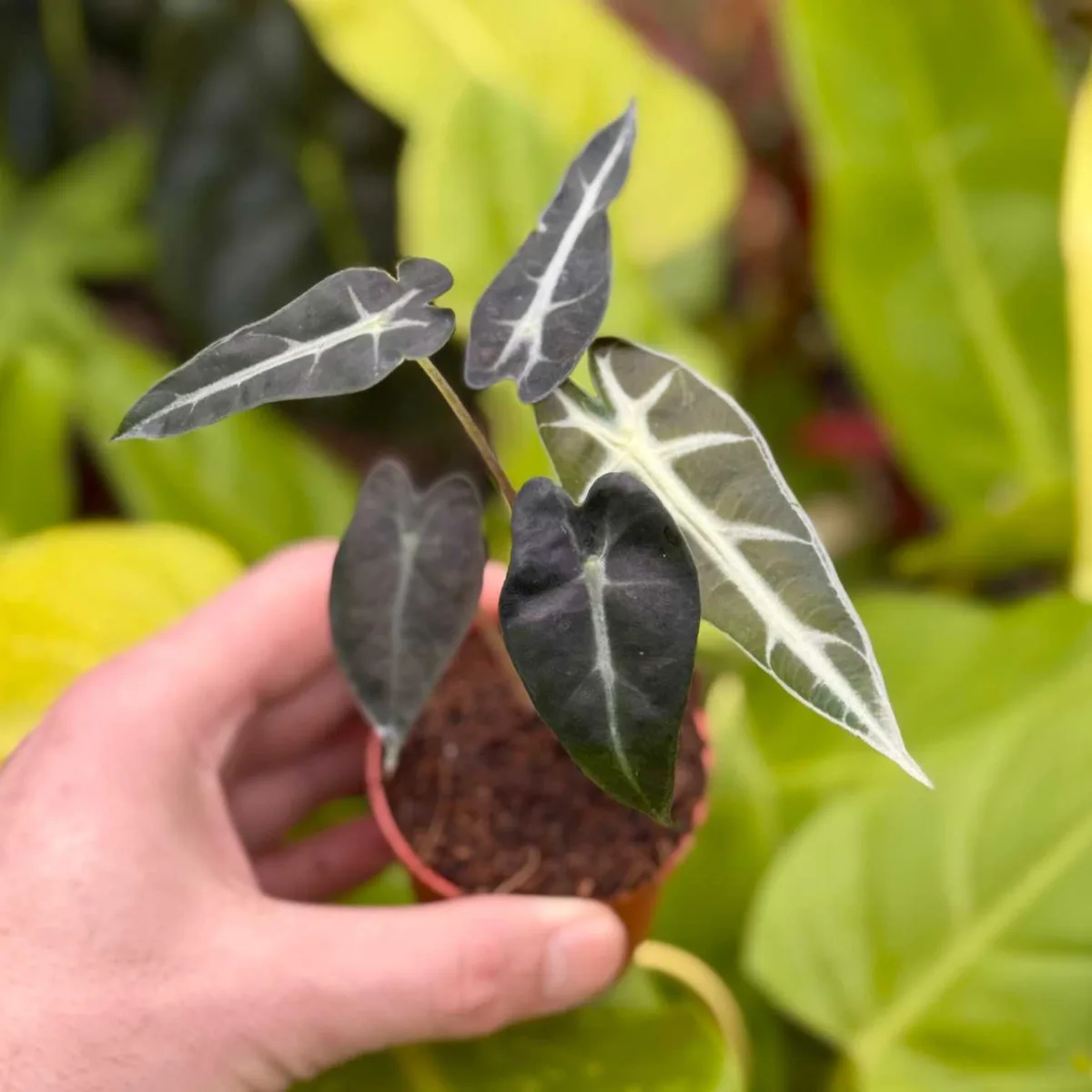
| Care difficulty | 3 / 5 |
|---|---|
| Watering schedule | Moderate regular watering, allowing brief slight drying between soakings |
| Sunlight requirements | Partial shade |
| Ideal temperature | Information to be completed |
| Soil type | Loam |
| Soil pH | Acid · Neutral |
| Soil moisture | Moist but well drained |
| Fertilizing | Balanced perennial feed every four weeks from spring through summer |
| Toxicity | TOXIC if eaten, skin/eye irritant. Wear gloves and other protective equipment when handling] |
How to Water African mask?
Moderate regular watering, allowing brief slight drying between soakings
Learn more →What Are the Sunlight Requirements for African mask?
Partial shade
Learn more →What Soil Is Best for African mask?
- Soil type
- Loam
- Soil pH
- Acid · Neutral
What Are the Moisture Requirements for African mask?
Moist but well drained
Learn more →How to Fertilize African mask?

Balanced perennial feed every four weeks from spring through summer
Learn more →How to Prune African mask?

No pruning required
Learn more →How to Propagate African mask?

Propagate by seed at 23°C (73°F) as soon as ripe. Propagate by division in spring or summer. Propagate by stem cuttings in spring
Learn more →How to Plant African mask?
Grow indoors in a potting mixture of equal parts of composted bark, loam and sand, in filtered light. Water freely in the growing season and provide high humidity by placing the container on a tray or moist gravel or pebbles. Apply a balanced liquid fertiliser every 2-3 weeks. Water moderately in winter. Requires a minimum temperature of 15-18°C (59-64°F). See aroid cultivation for more details
Learn more →Common Pests & Diseases

Diseases
Generally disease-free
Pests
May be susceptible to glasshouse red spider mite and mealybugs
Explore the plant health library →The Toxicity of African mask
TOXIC if eaten, skin/eye irritant. Wear gloves and other protective equipment when handling]