Plants in Guelmim-Oued Noun

Get to know 14 plants selected from Guelmim-Oued Noun. Discover their scientific names, identifying features and growing needs.

Plants to discover

date palm

1. date palm

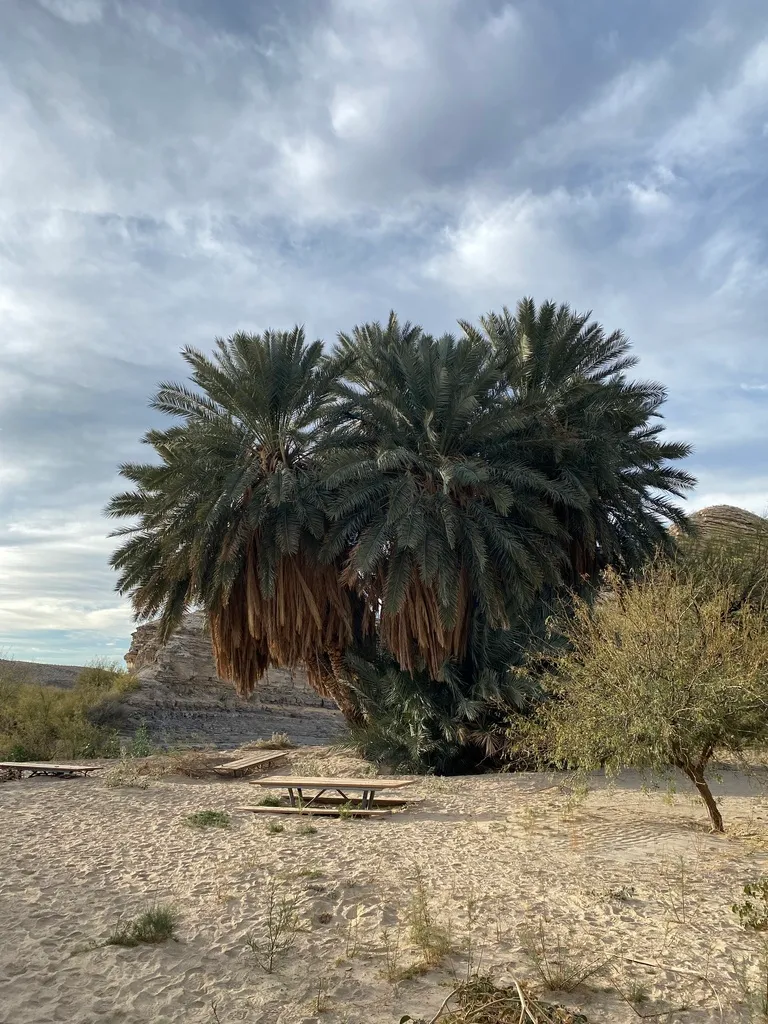
Phoenix dactylifera

A tall, tender palm with elegant, arching leaves composed of many linear, grey-green leaflets. In its native environments it produces 1-2m long flower spikes from the crown of the tree; these are followed by sweet, edible fruits (dates)

Learn more →
afalfa

2. afalfa

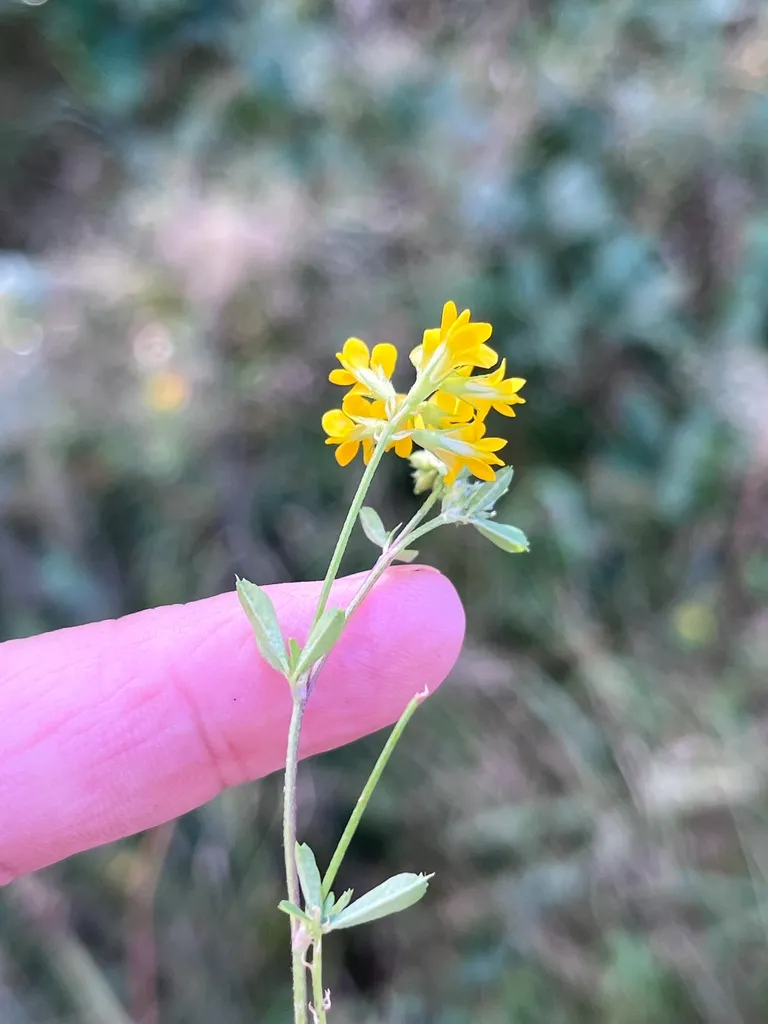
Medicago sativa

Also known as 'alfalfa'or 'purple medic' this herbaceous perennial legume with a deep tap-root and clover-like green foliage produces small purple flowers in the summer followed by flat pea-like fruits. Used in many countries as animal foo

Learn more →
common sage

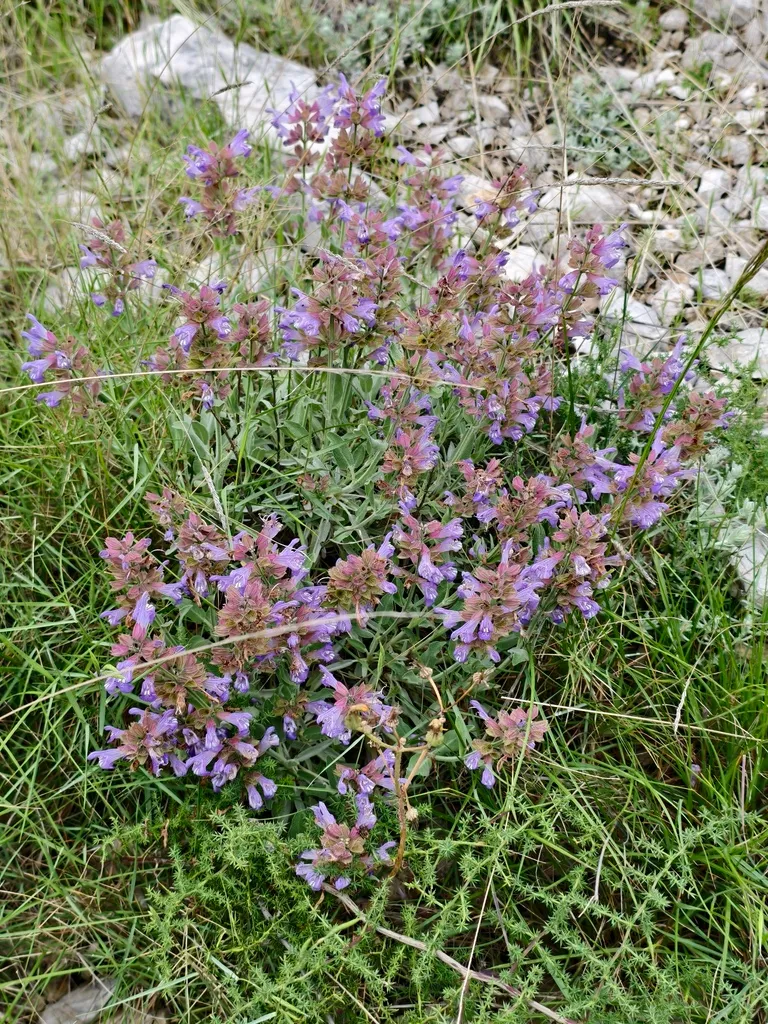
3. common sage

Salvia officinalis

A bushy, spreading evergreen sub-shrub to 75cm tall, with very aromatic, finely veined, grey-green, oblong leaves to 6cm long and 2.5cm wide and short spikes of pale blue flowers in early summer. Fresh and dried leaves are used as a popular

Learn more →
carob

4. carob

Ceratonia siliqua

A Mediterranean evergreen shrubby tree with thick brown bark and dark green, leathery, pinnate leaves. Tiny green-tinted red flowers in racemes 2-6cm long, during spring, are followed by edible black-brown leathery pods containing a sweet p

Learn more →
pomegranate

5. pomegranate

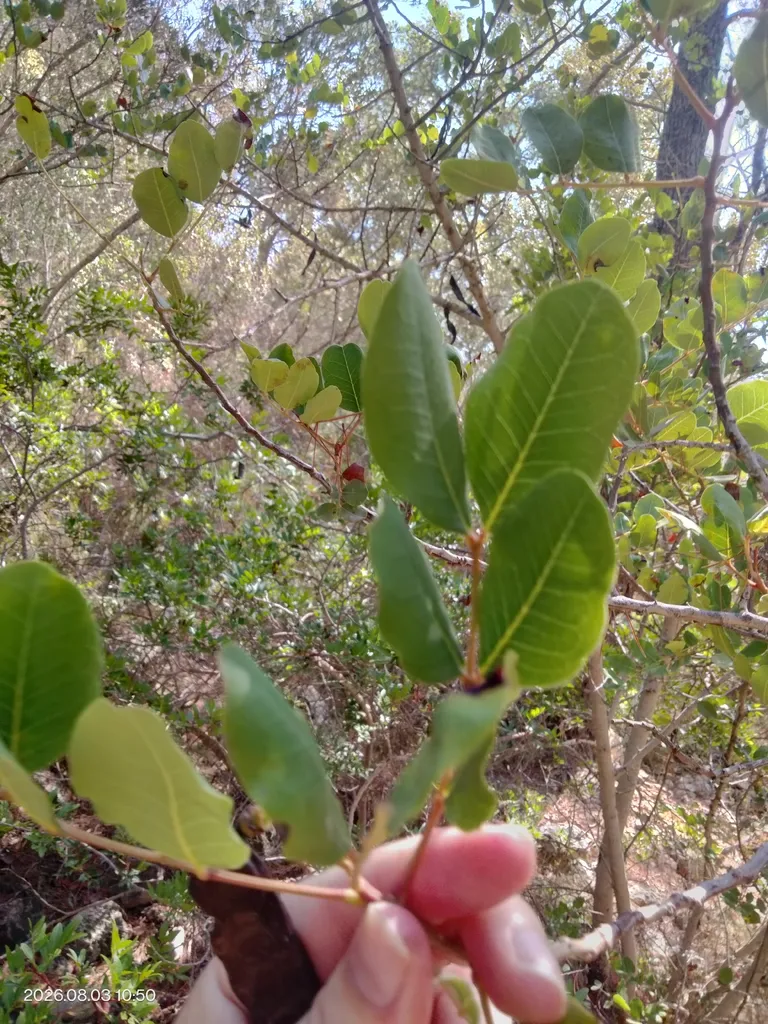
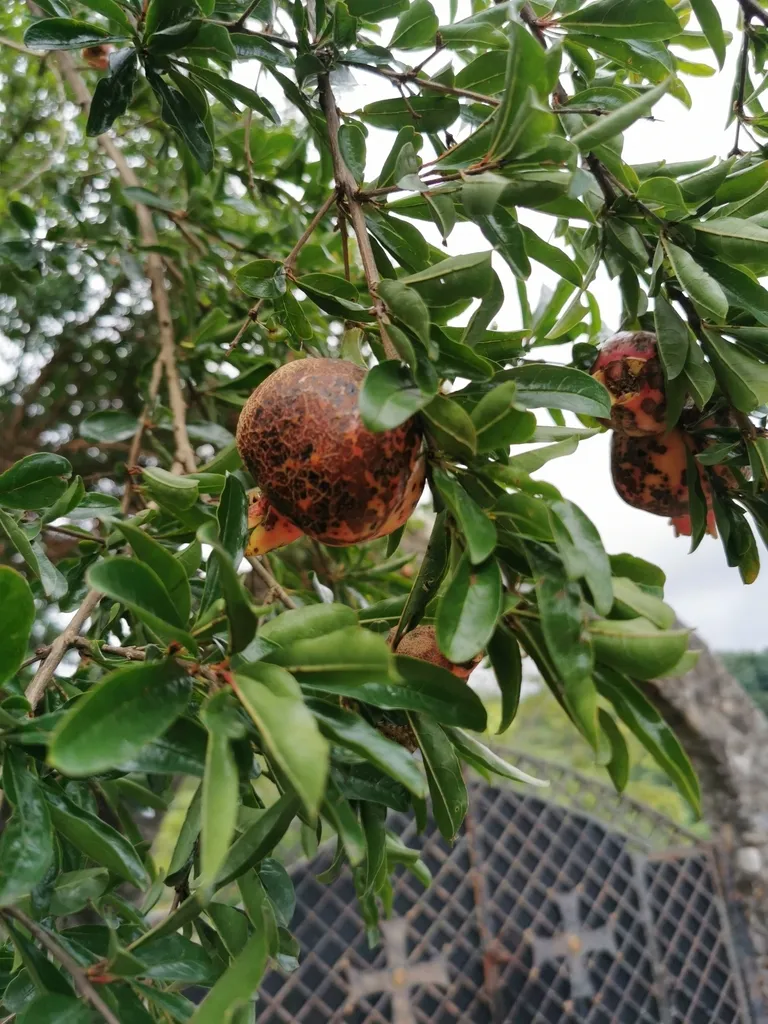
Punica granatum

P. granatum is a rounded shrub with glossy, narrowly oblong leaves, bronze in spring, and funnel-shaped bright scarlet flowers 3-4cm across in summer, sometimes followed by spherical, reddish-brown fruits up to 12cm across

Learn more →
houseleek tree

6. houseleek tree

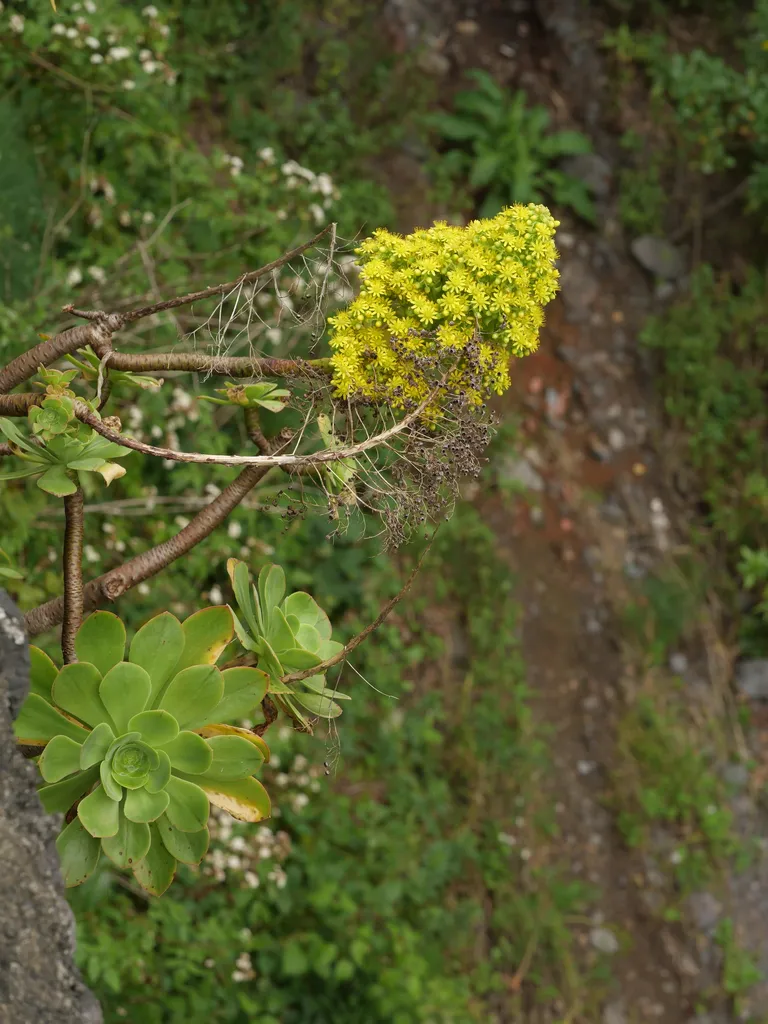
Aeonium arboreum

A sparsely branched succulent subshrub to 1.5m, with terminal rosettes of fleshy spoon-shaped leaves and large conical panicles of small yellow flowers

Learn more →
fig

7. fig

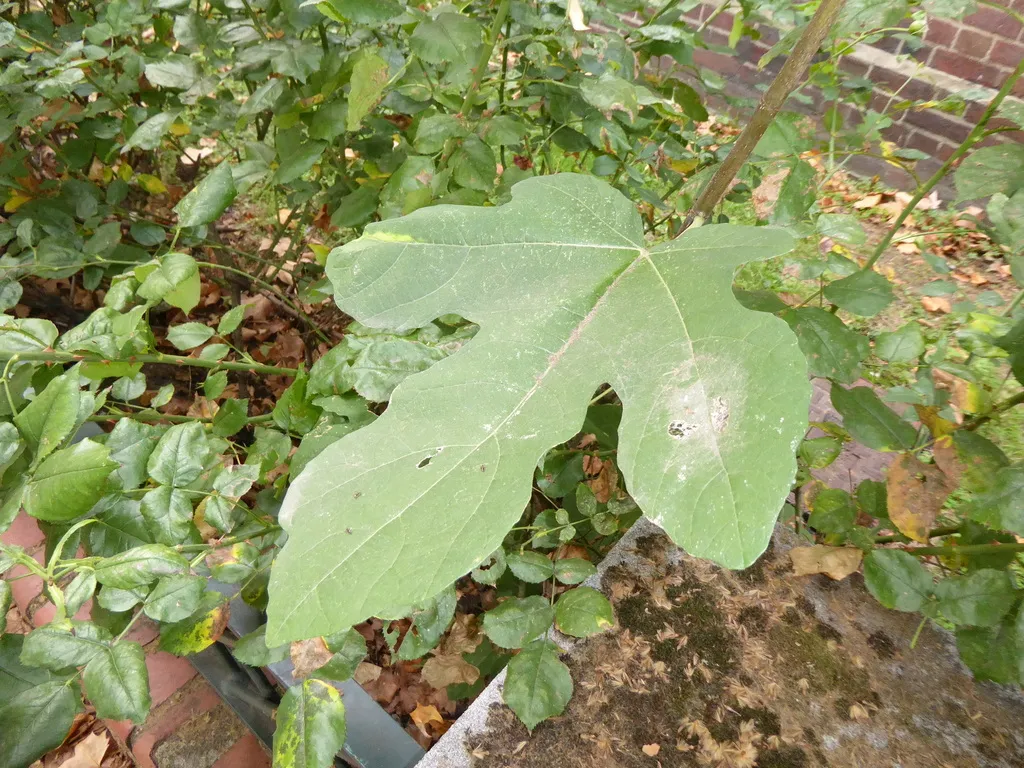
Ficus carica

A large shrub or small, spreading tree to around 3m tall and 4m wide with rounded, lobed leaves. Insignificant flowers are followed by edible fruit that ripen to shades of green and purple. Many cultivated varieties of fig have been develop

Learn more →
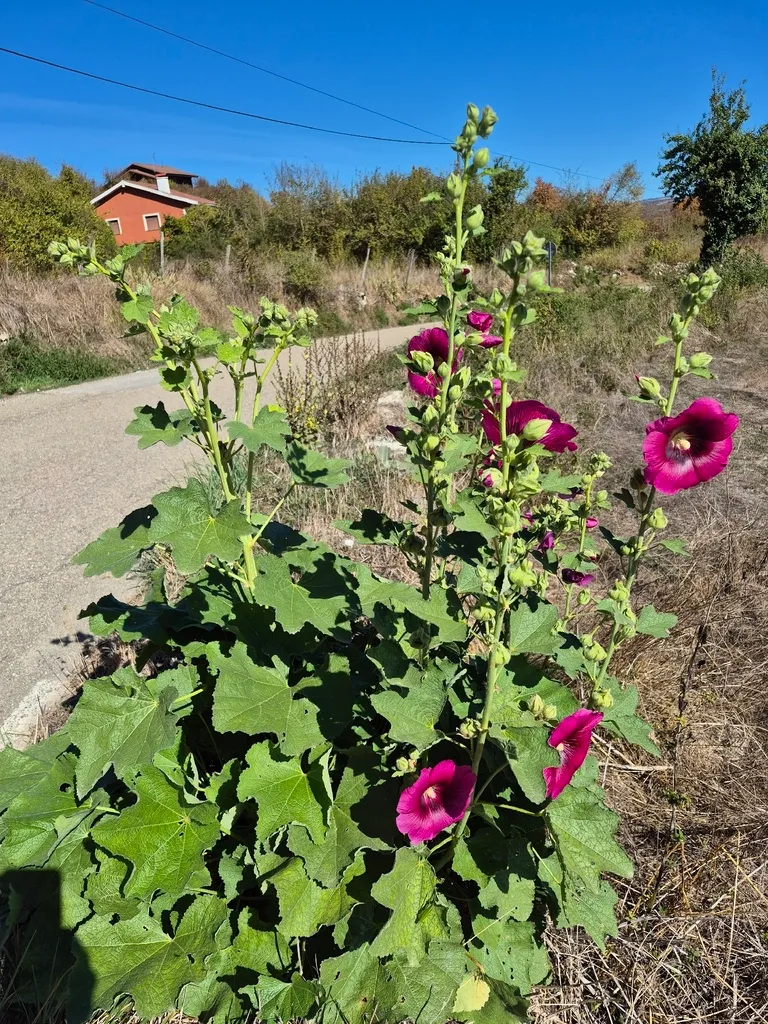
hollyhock

8. hollyhock

Alcea rosea

A robust biennial or short-lived perennial to 2m or more, with shallowly lobed, rounded leaves and long erect racemes of open funnel-shaped flowers to 10cm across, which may be pink, purple, red, white or yellow

Learn more →
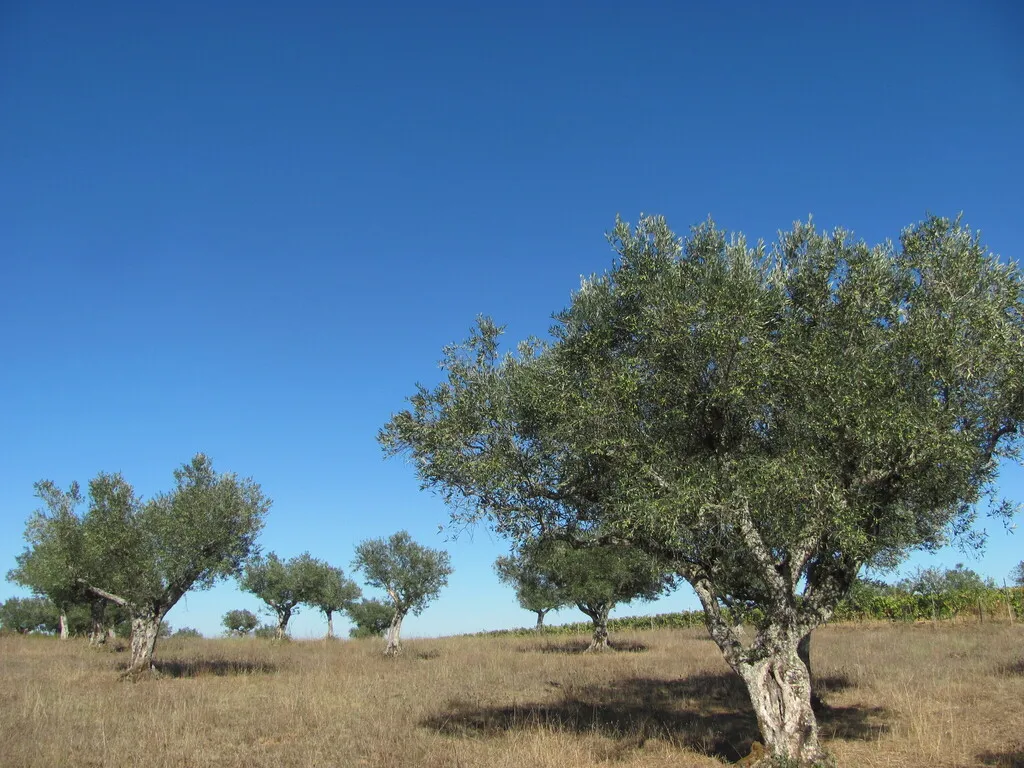
common olive

9. common olive

Olea europaea

Has a rugged, much-branched habit and slow growth, eventually 4.5-9m. Leaves are narrowly obovate or oval, to 7.5cm long, leathery, silvery beneath. Very small white flowers are borne in axillary racemes to 5cm long. Many cultivated varieti

Learn more →
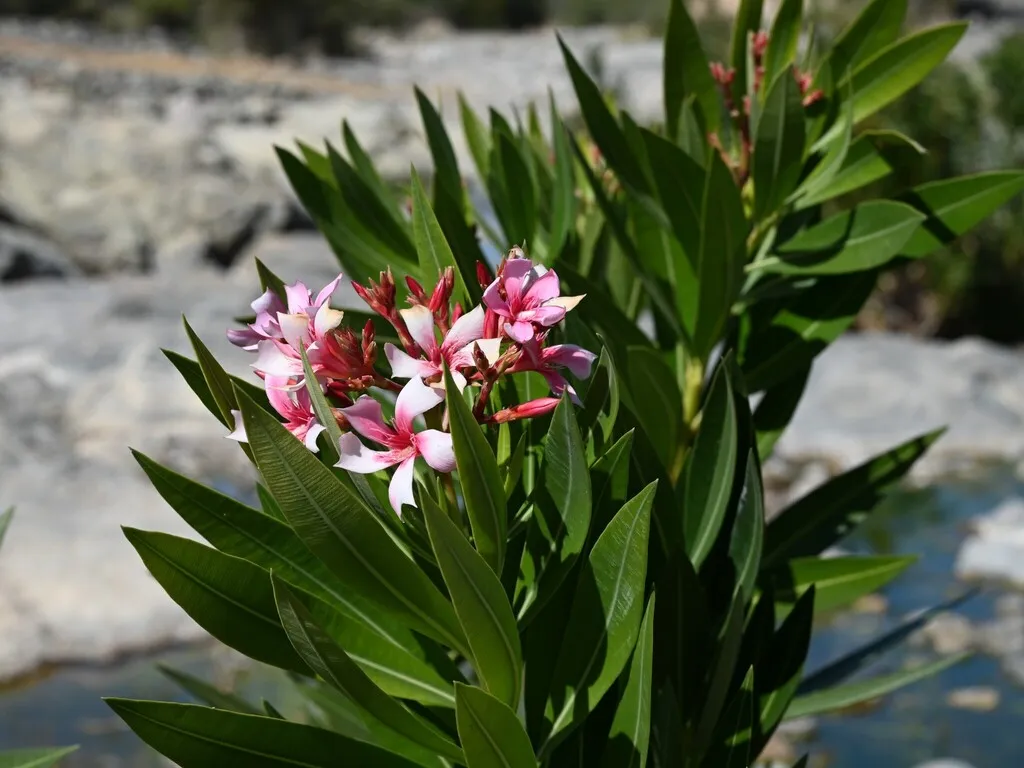
oleander

10. oleander

Nerium oleander

N. oleander is an evergreen shrub with narrowly lance-shaped grey-green leaves and terminal clusters of salver-shaped, pink, white or red flowers 3-4cm across, in summer

Learn more →
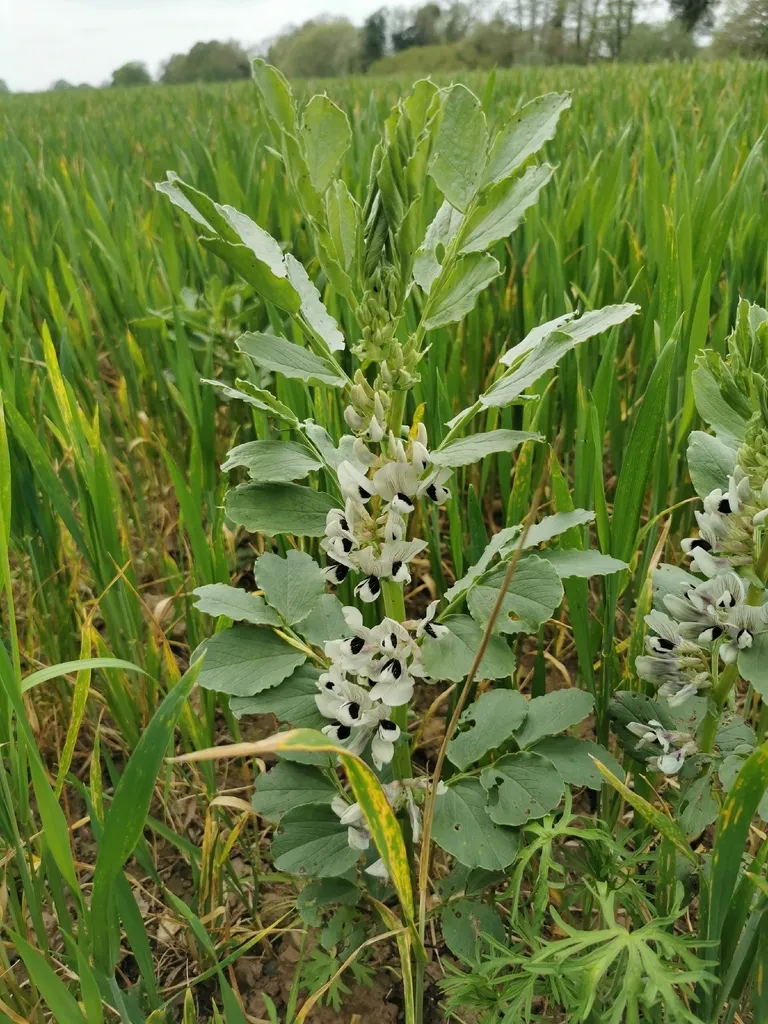
broad bean

11. broad bean

Vicia faba

An annual producing two to four, square-sectioned, upright stems, 0.4 to 1.2m tall, clothed with oblong, blue-green leaves. Clusters of scented, tubular, black and white or dark red flowers are produced all the way up the stem, followed by

Learn more →
melon

12. melon

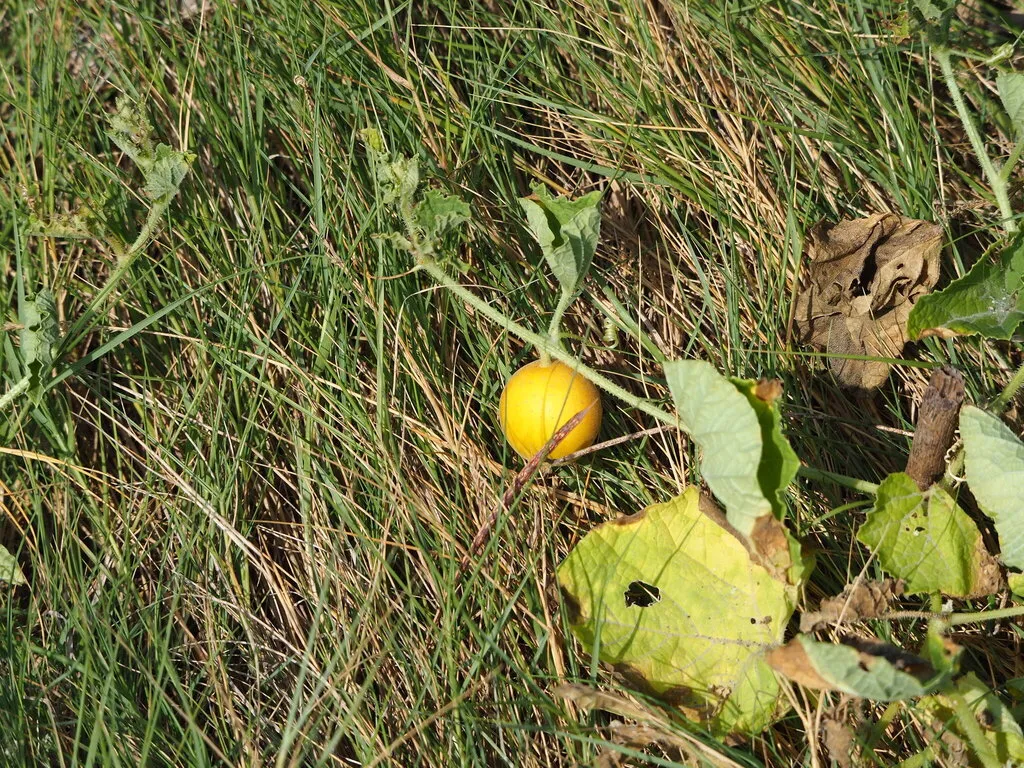
Cucumis melo

A wild species of melon from which all other cultivars have been bred. It's a deciduous annual, spreading, twining plant to 1.5 m long, with large, soflty-haired leaves and unbranching tendrils. It produces yellow separate male and female f

Learn more →
Barbados aloe

13. Barbados aloe

Aloe vera

An evergreen perennial to 0.6m, forming rosettes of fleshy, narrow, dull green leaves with spiny margins, with long racemes of tubular greenish-yellow flowers 3cm in length in racemes to 90cm in length

Learn more →
coriander

14. coriander

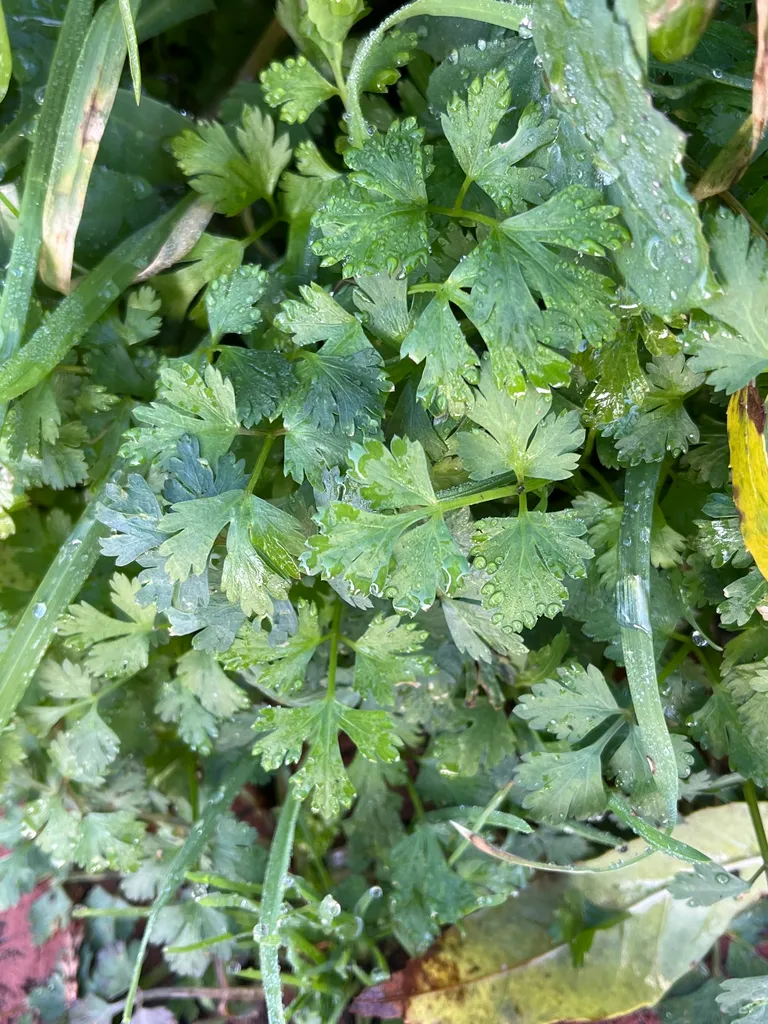
Coriandrum sativum

An annual with aromatic, pinnate to 3-pinnate leaves, the upper ones with linear segments, and compound umbels of small white or purplish flowers, followed by aromatic fruits used in cooking

Learn more →
PlantCare

Your Ultimate Guide to Plants

Identify, grow and nurture the better way!

PlantCare plant identification and care illustration
PlantCare

Botanist in your pocket

Scan to download PlantCareDownload on the App Store

Scan the QR code with your phone camera to download the app