
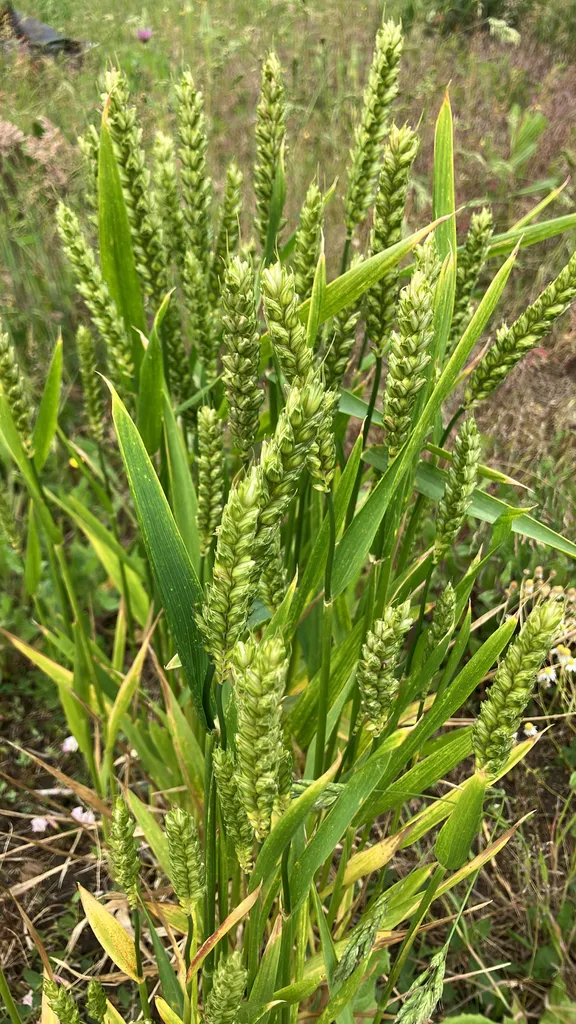
1. bread wheat
Triticum aestivum
A hardy annual utilised for centuries as a cereal crop. Greyish-green leaves are long and narrow. Flowers appear in summer, with seeds ripening in late summer and autumn
Learn more →Get to know 15 plants selected from Silistra. Discover their scientific names, identifying features and growing needs.
Triticum aestivum
A hardy annual utilised for centuries as a cereal crop. Greyish-green leaves are long and narrow. Flowers appear in summer, with seeds ripening in late summer and autumn
Learn more →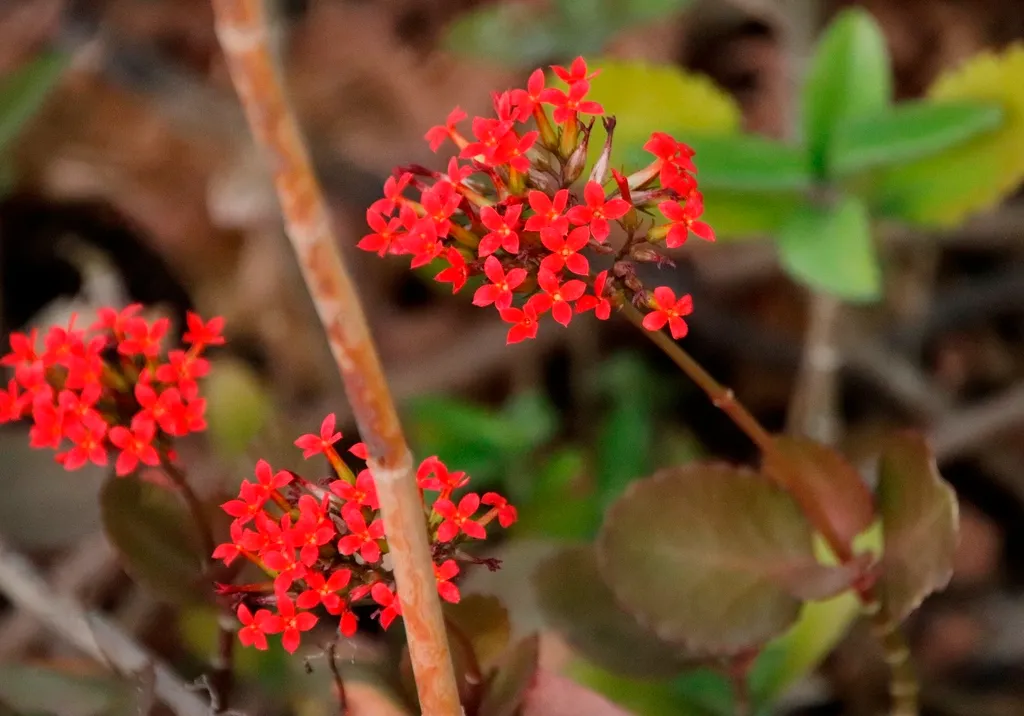
Kalanchoe blossfeldiana
K. blossfeldiana is a bushy evergreen succulent perennial to 40cm, with fleshy, ovate leaves, and terminal panicles of tubular red flowers spreading lobes in early spring
Learn more →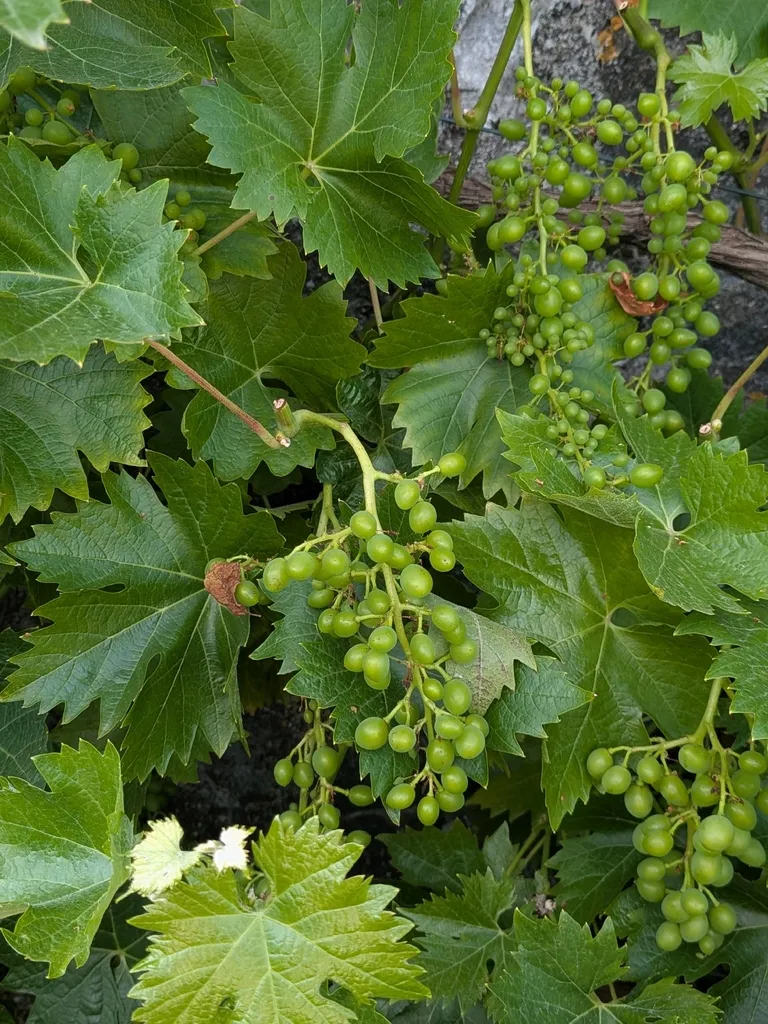
Vitis vinifera
Woody plant, climbing by tendrils, about 15-18m tall. Leaves are 3 or 5-lobed, coarsely toothed, to 15cm long and wide, with stalks half as long as the blade. Flowers are tiny, greenish, in loose panicles, fruit oval or globose grapes. This
Learn more →Erigeron canadensis
Horseweed is an erect, freely branching annual or biennial herb, usually 30–150 cm tall, with a slender taproot and a bristly stem. Basal leaves are oblanceolate and toothed, soon withering; stem leaves are narrow, lanceolate to linear and
Learn more →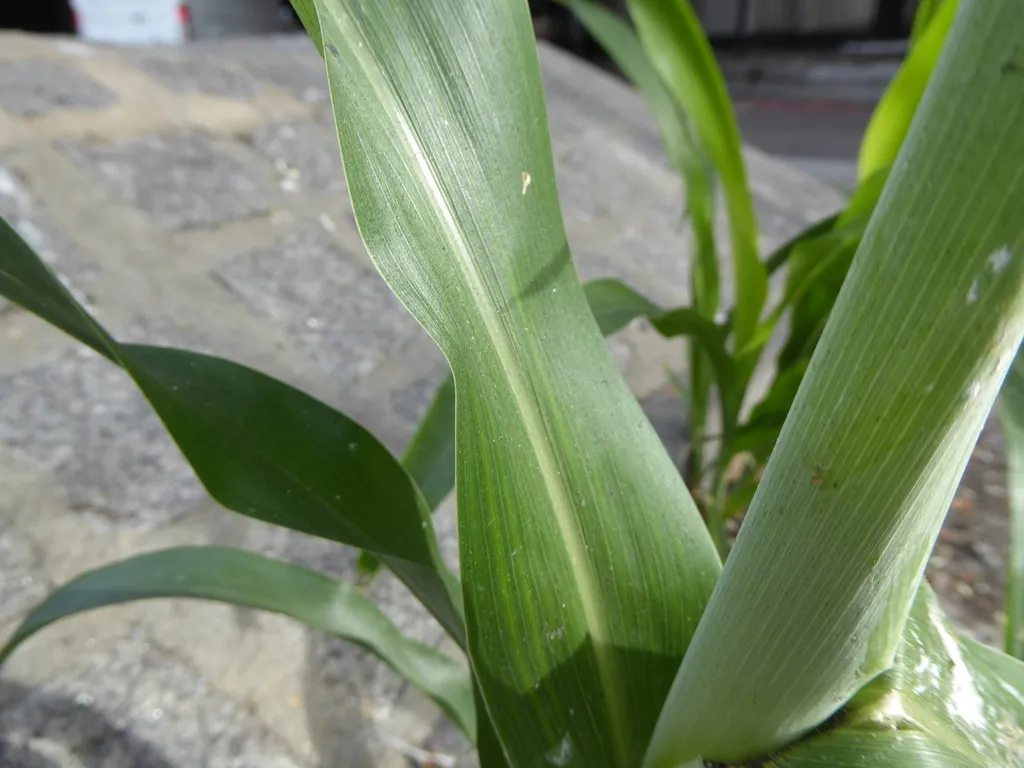
Zea mays
Sweetcorn is relatively easy to grow and without a doubt tastes so much better that shop bought. There's a great range of varieties to grow, both heritage and modern, and something to suit most gardens and the shorter British summers. If y
Learn more →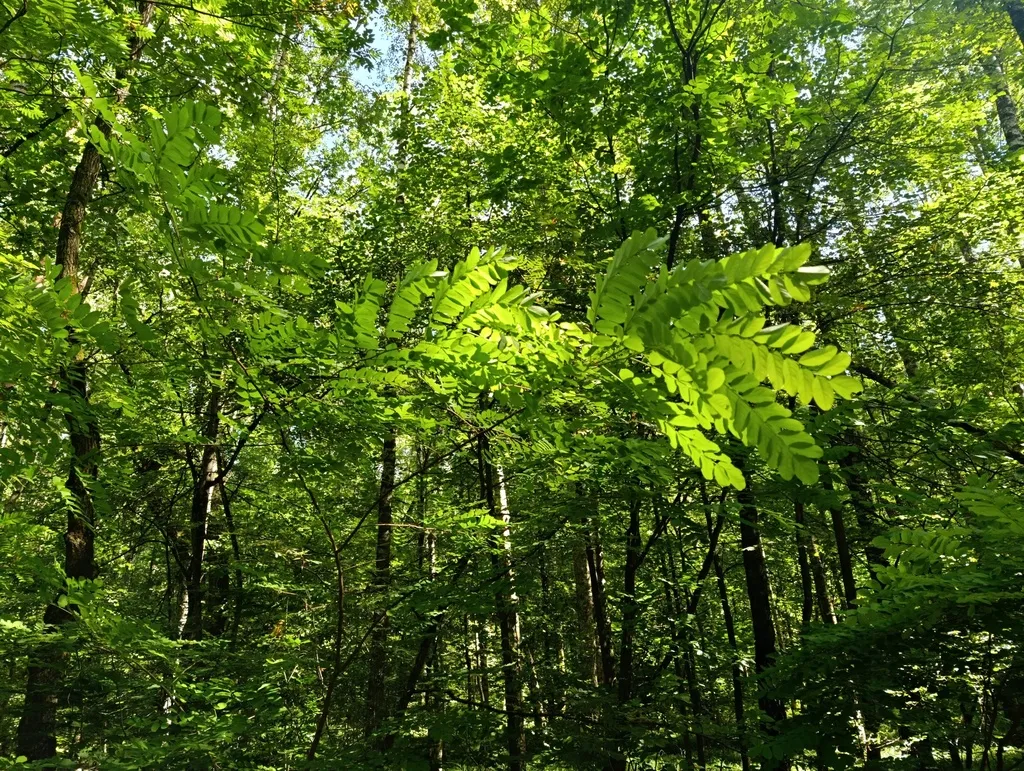
Robinia pseudoacacia
R. pseudoacacia is a fast-growing, spreading tree to 25m tall with deeply furrowed rough bark and spines formed from stipules on twigs and suckers. The dark green leaves comprise 5-11 pairs of oval leaflets. Dense, drooping clusters of slig
Learn more →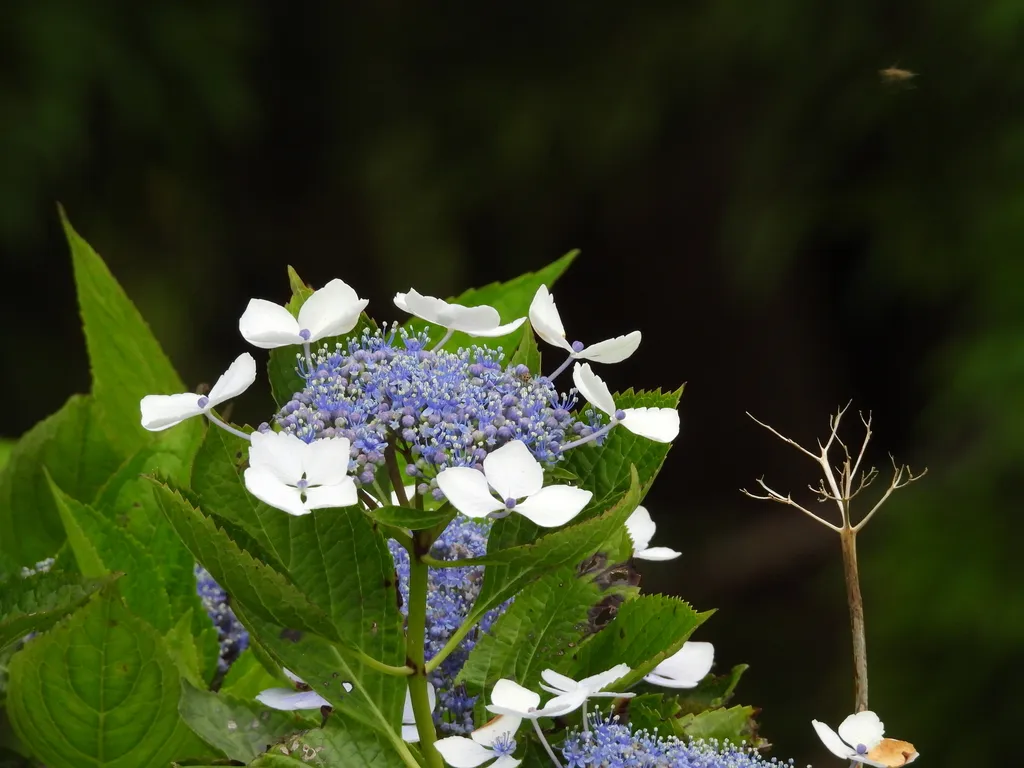
Hydrangea macrophylla
A large, rounded, deciduous shrub with rather coarse, oval, dark green leaves to 20cm long. In mid- and late summer produces large, flattened flowerheads consisting of a few sterile, pink florets with large petals and many small, fertile, b
Learn more →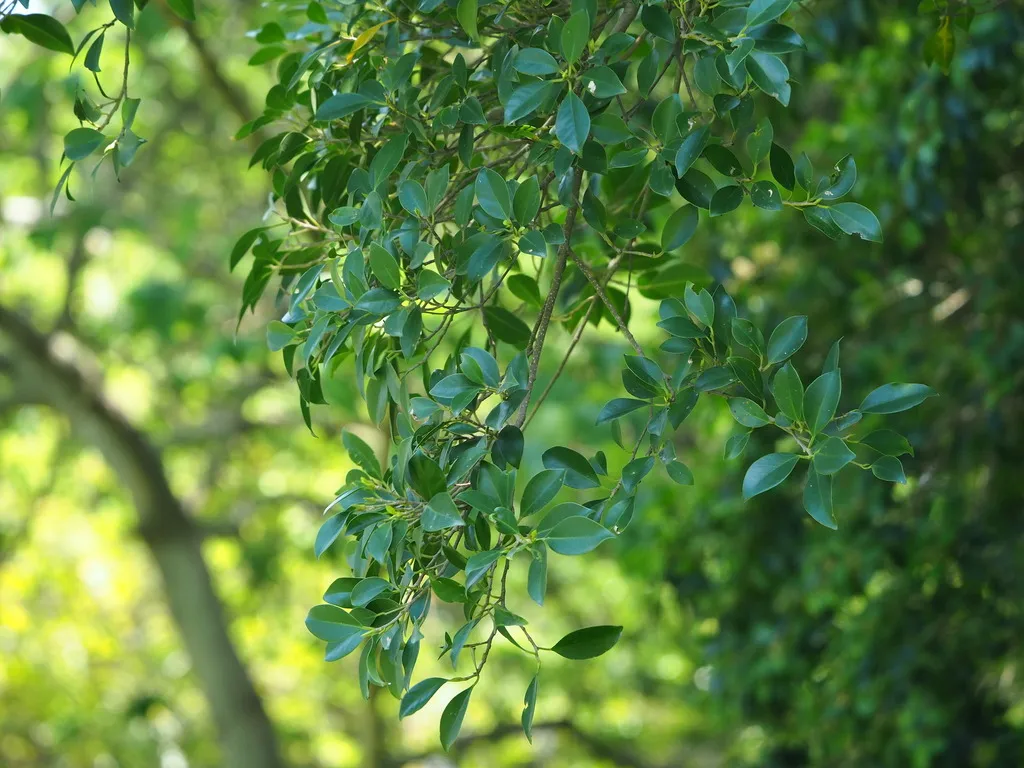
Ficus microcarpa
A bushy evergreen shrub to 4m when grown in a container, with glossy dark green, ovate leaves; in warm climates grows into a large tree with abundant aerial roots
Learn more →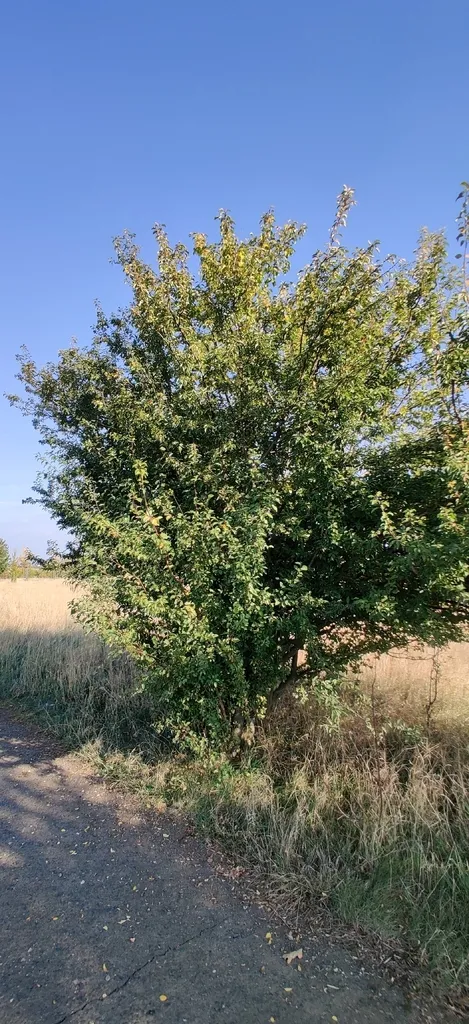
Prunus cerasifera
P. cerasifera is an upright, rounded, twiggy, deciduous tree producing small, white flowers in early spring as the leaves open, sometimes followed by edible, red, orange or yellow, plum-like fruit about 2.5cm long
Learn more →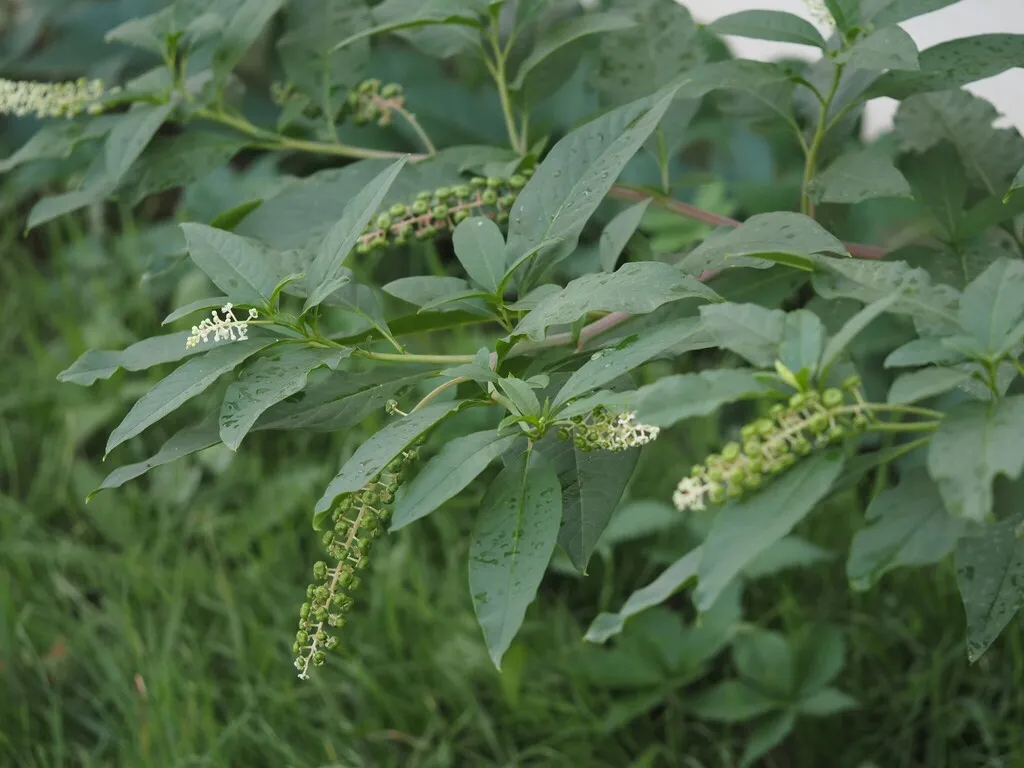
Phytolacca americana
P. americana is an upright herbaceous perennial with oval or lance-shaped mid-green leaves, tinged with purple in autumn. White-pink flowers appear in racemes from mid-summer to early autumn, followed by crimson-black berries in autumn
Learn more →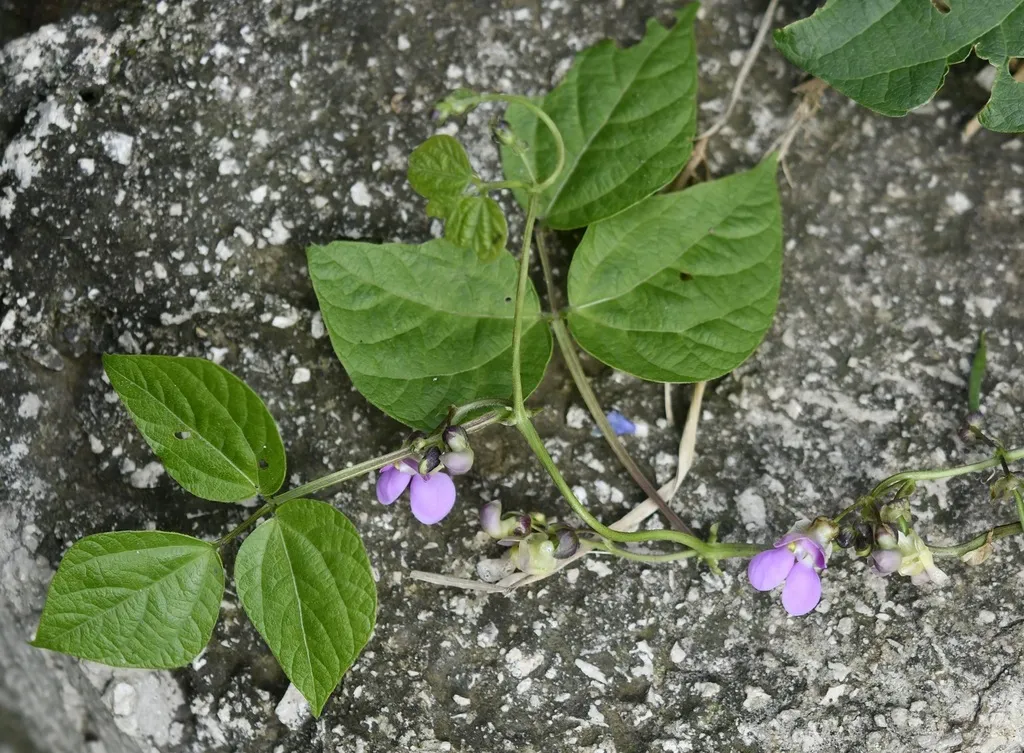
Phaseolus vulgaris
The wild common bean from which a vast number of edible beans have been bred, including all the 'French' beans. They are annual, twining climbers with green tri-foliate leaves, though many selected varieties are dwarf. The flowers are mostl
Learn more →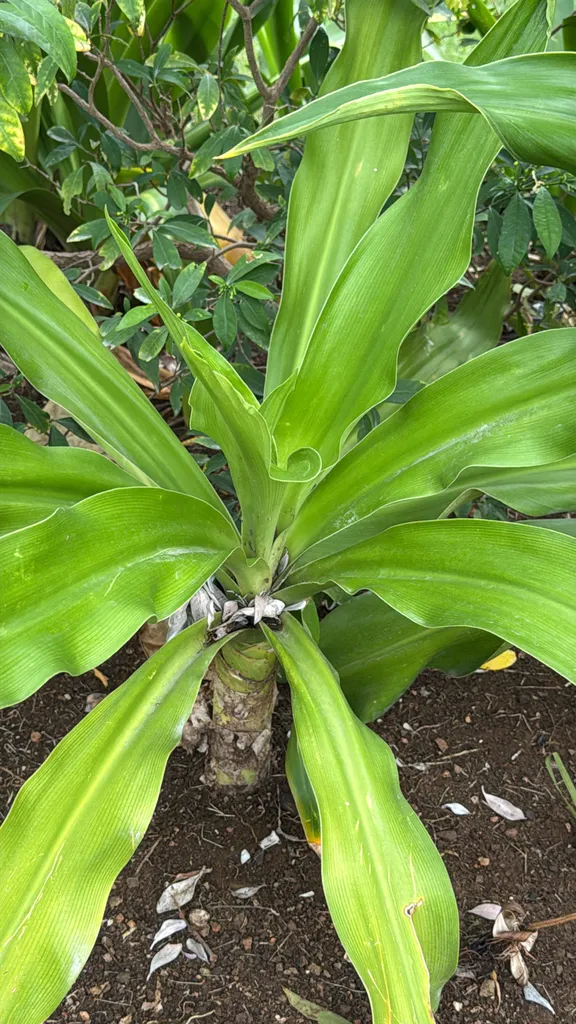
Dracaena fragrans
An upright, evergreen, tropical shrub with cane-like stems and glossy, strap-shaped leaves to 40cm long. Its slender habit and tolerance of a range of conditions make it a popular houseplant
Learn more →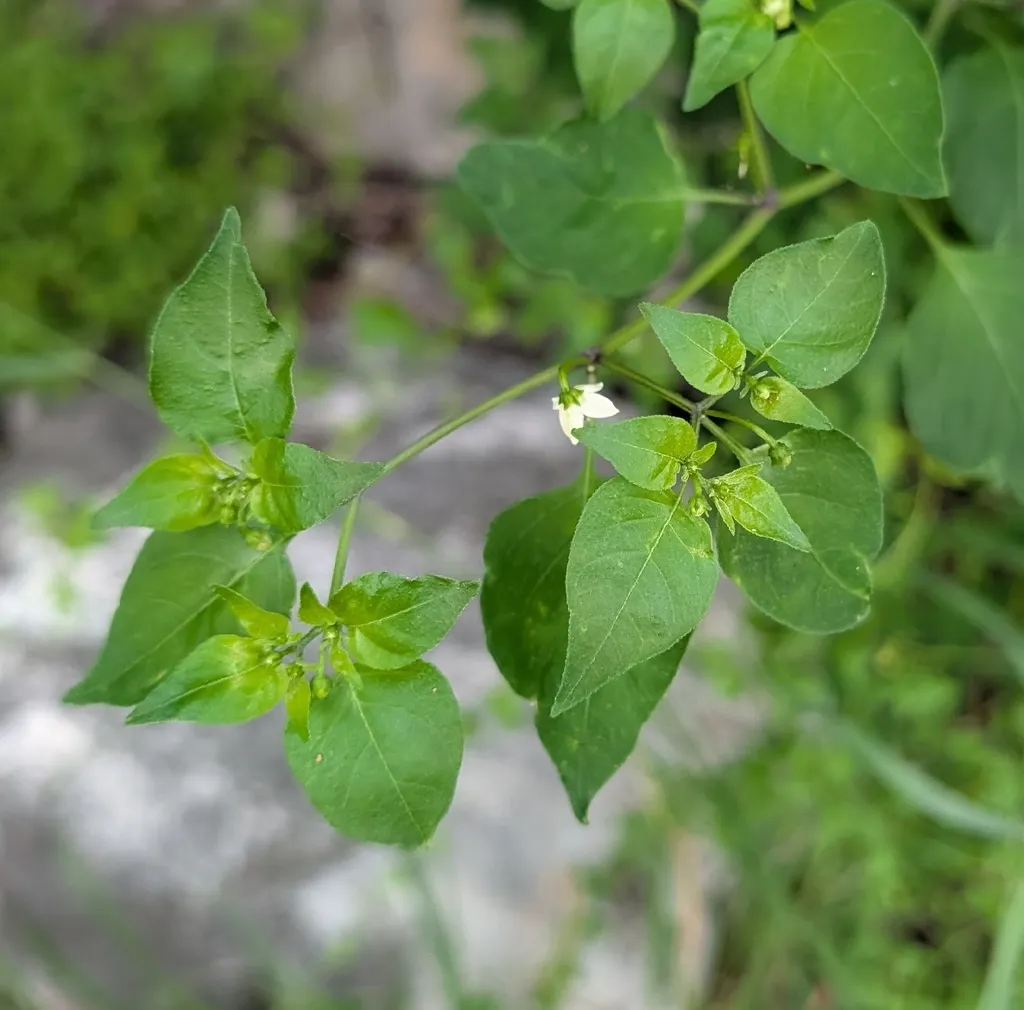
Capsicum annuum
This is the wild plant from which many of our cultivated sweet peppers and chillies have been bred. It shows a wide range of fruit shapes, colours, sizes and degree of capsaicin production - from where the heat may or may not be felt. It ha
Learn more →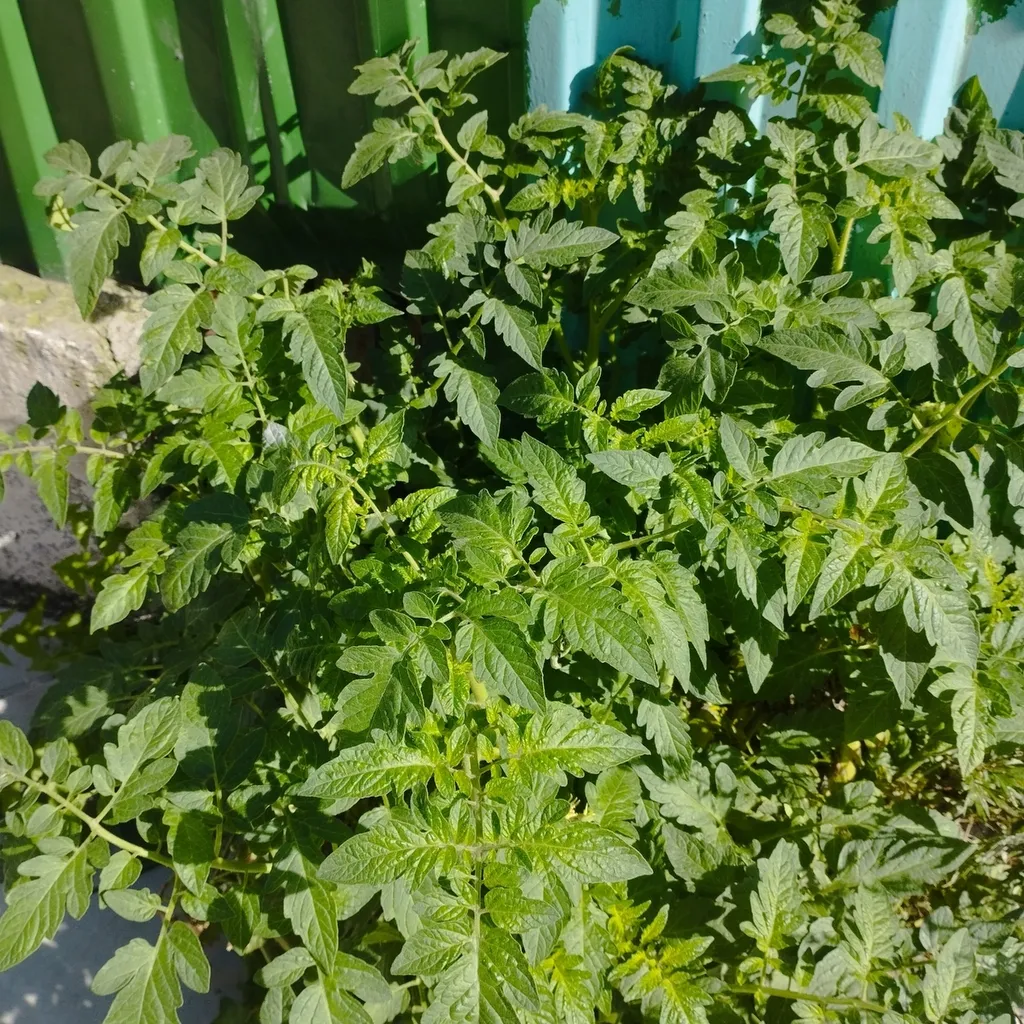
Solanum lycopersicum
This is the original plant from which all know varieties of tomato have been bred. The original species is quite a large, branching and climbing plant growing up to 2m tall that is perennial subshrub in its native tropical habitat. The stem
Learn more →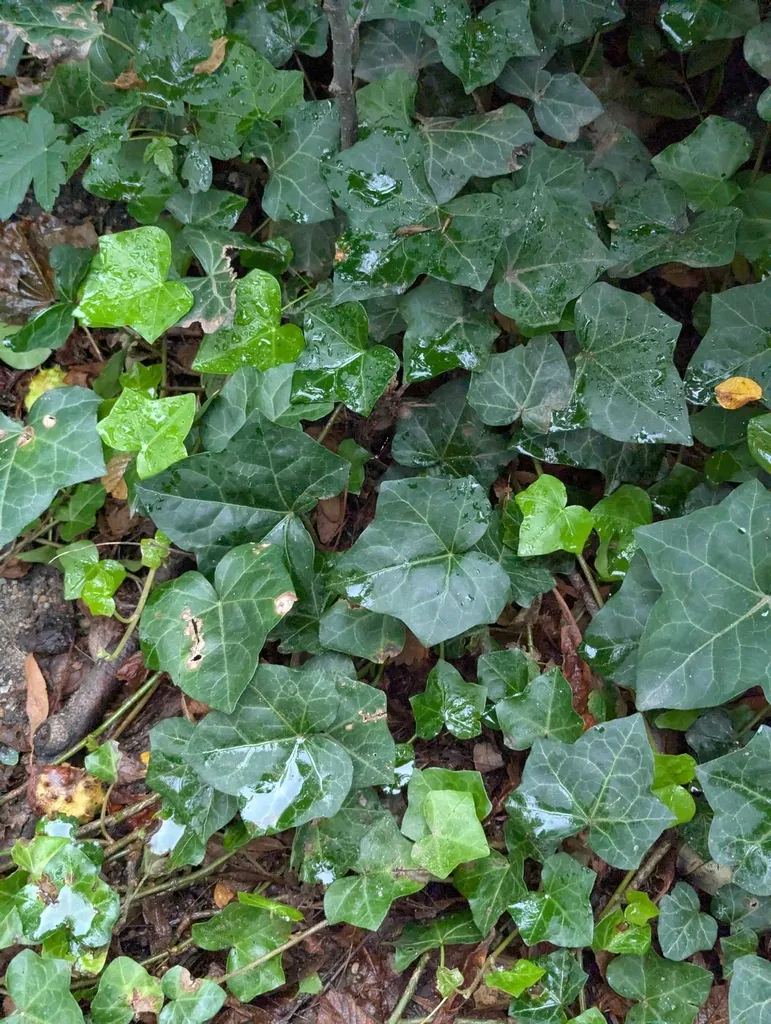
Hedera helix
H. helix is a vigorous, self-clinging climber with three- to five-lobed, glossy, evergreen leaves, often with pale green veins, and some reddish or bronzy colours in autumn. Mature plants produce bushy, non-clinging branches with diamond-sh
Learn more →