Plants in Peten

Get to know 14 plants selected from Peten. Discover their scientific names, identifying features and growing needs.

Plants to discover

bell pepper

1. bell pepper

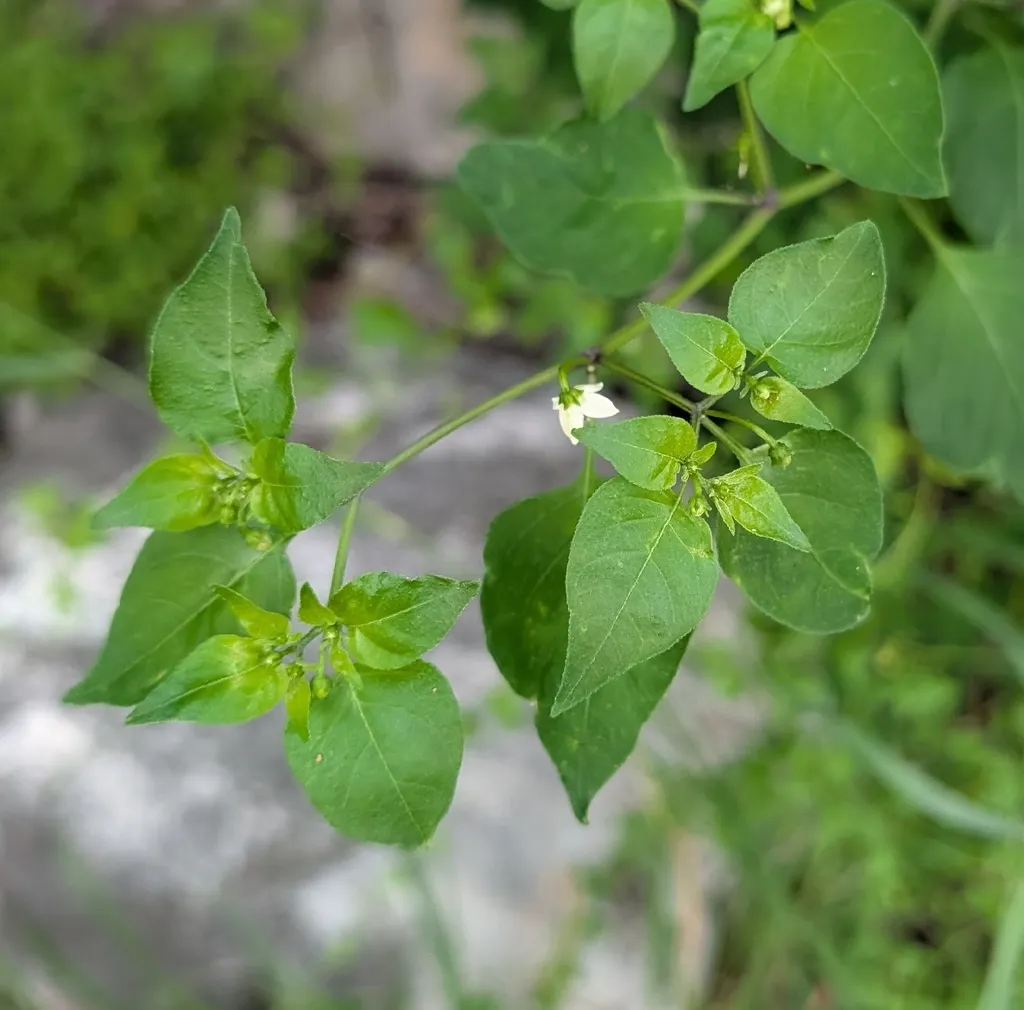
Capsicum annuum

This is the wild plant from which many of our cultivated sweet peppers and chillies have been bred. It shows a wide range of fruit shapes, colours, sizes and degree of capsaicin production - from where the heat may or may not be felt. It ha

Learn more →
bloodflower

2. bloodflower

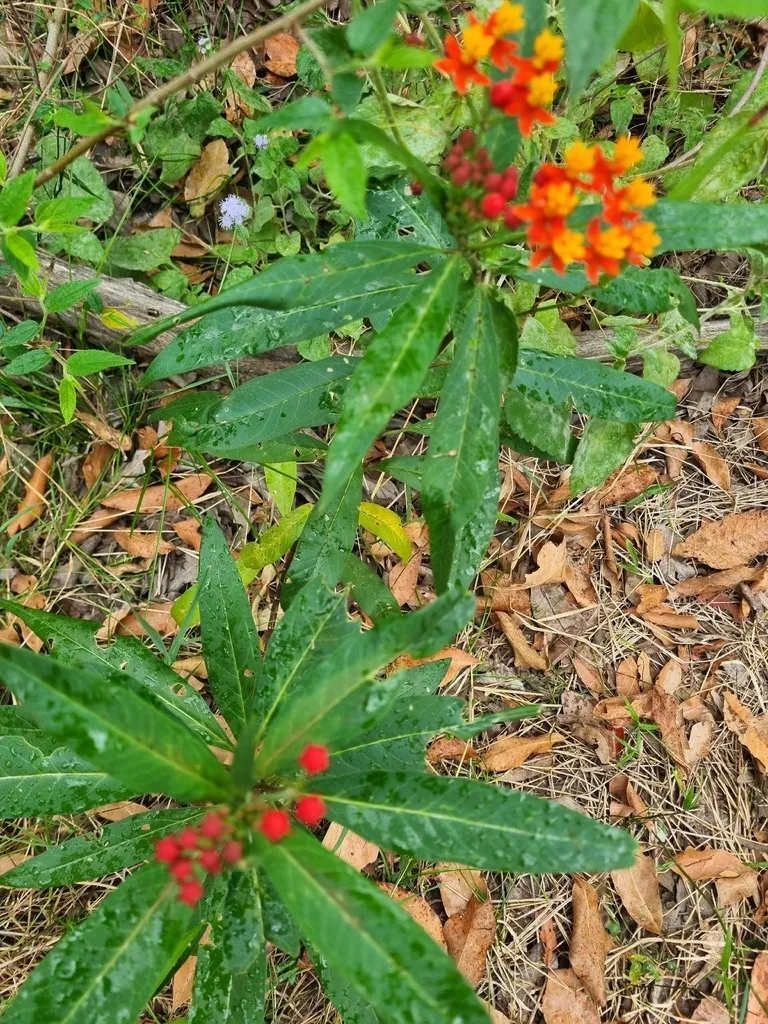
Asclepias curassavica

An upright evergreen sub-shrub with lance-shaped leaves and umbel-like terminal clusters of orange-red flowers 2cm across, in summer and autumn, sometimes followed by erect, ovoid fruit 6-8cm in length

Learn more →
mother-in-law's tongue

3. mother-in-law's tongue

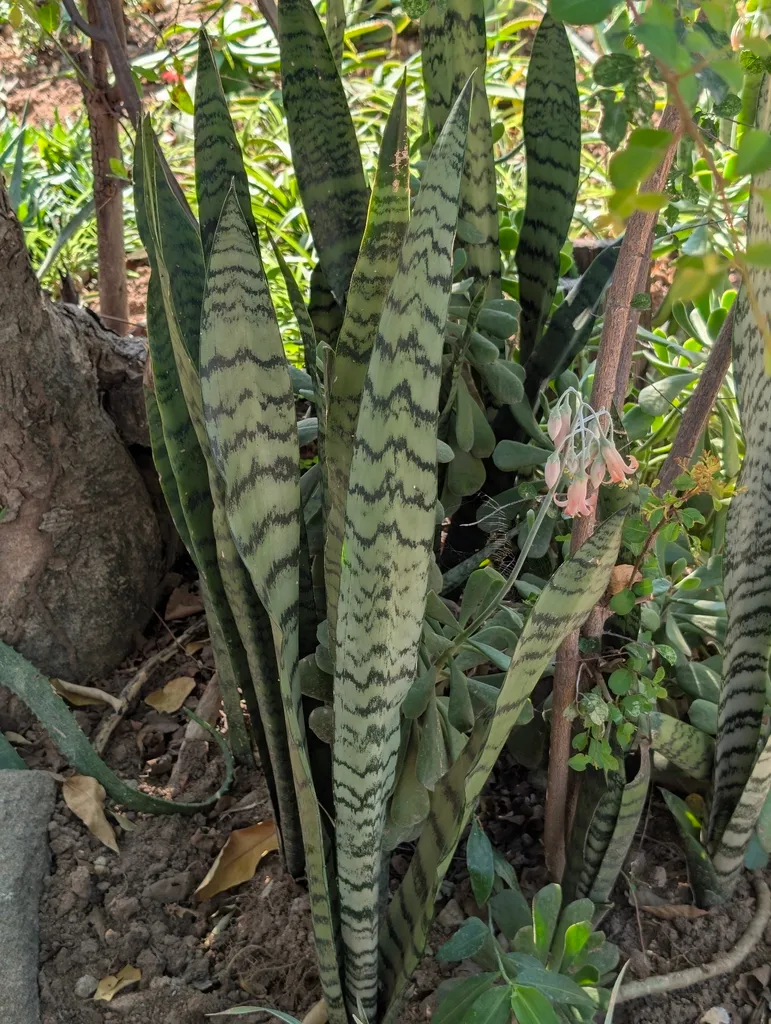
Sansevieria trifasciata

S. trifasciata is a succulent perennial forming a clump of erect, sword-shaped deep green leaves with pale green transverse bands, with racemes of small, tubular pale green flowers in summer or autumn

Learn more →
sweet corn

4. sweet corn

Zea mays

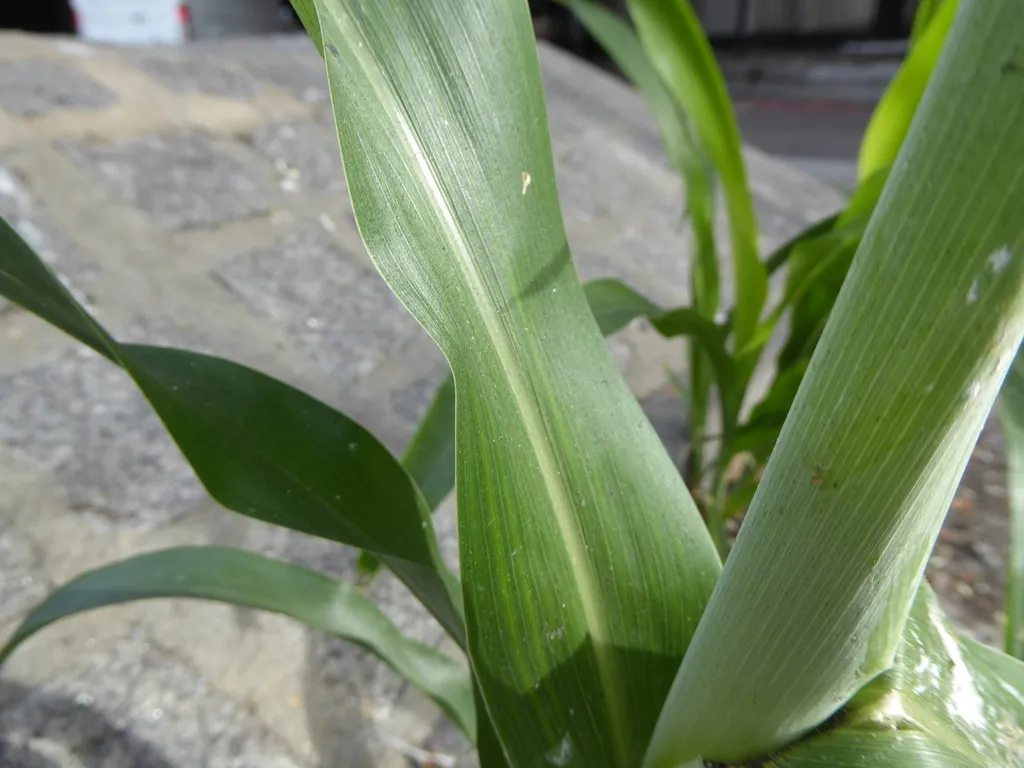
Sweetcorn is relatively easy to grow and without a doubt tastes so much better that shop bought. There's a great range of varieties to grow, both heritage and modern, and something to suit most gardens and the shorter British summers. If y

Learn more →
clamshell orchid

5. clamshell orchid

Prosthechea cochleata

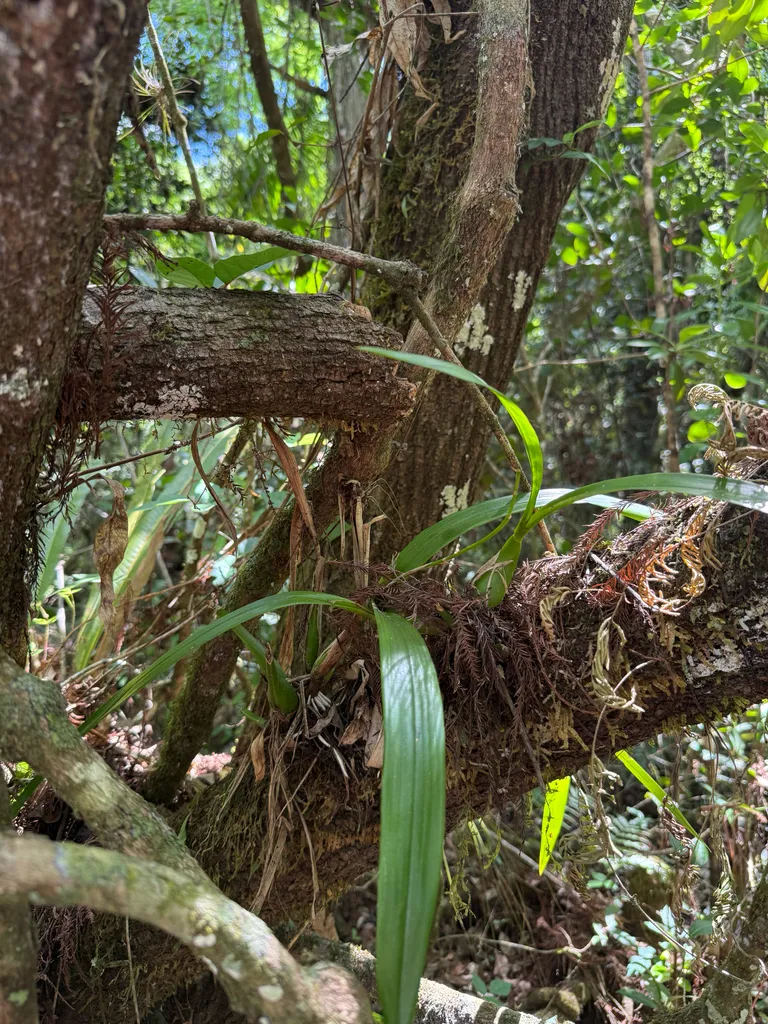
A species orchid to 45cm tall with flattened pear-shaped pseudobulbs bearing lance-shaped leaves 20-35cm long and long-lasting, ribbon-like flowers with pale-green petals and dark-purple lips, flushed yellowish-green, with white bases deepl

Learn more →
Ti plant

6. Ti plant

Cordyline fruticosa

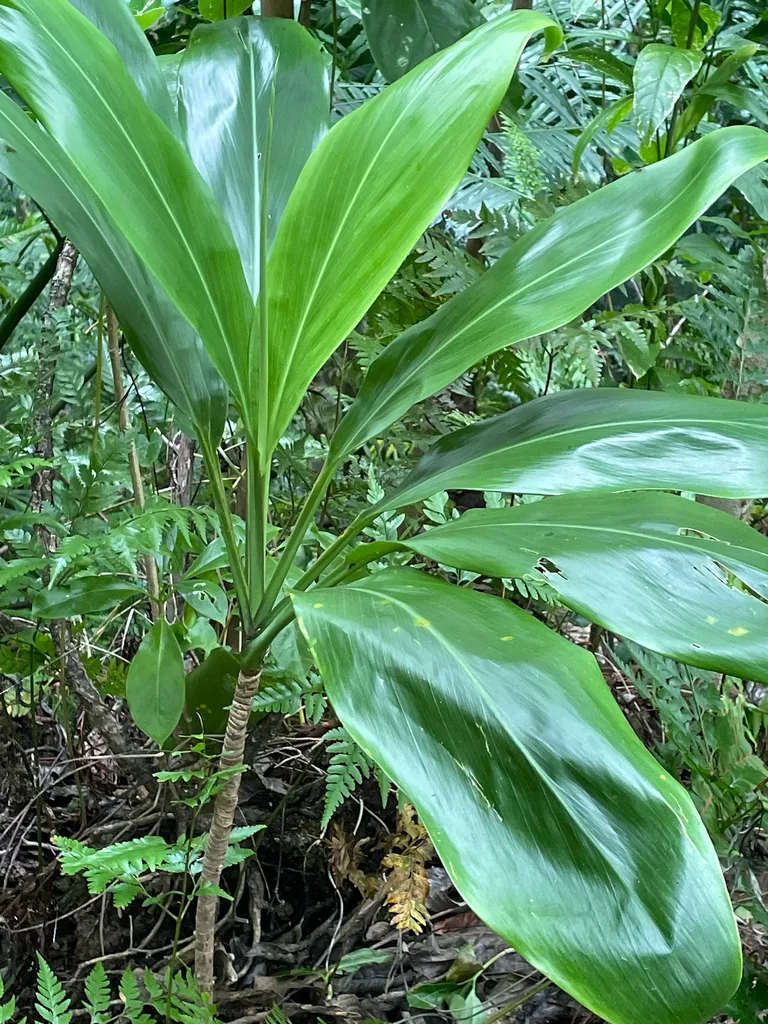
Cordyline fruticosa is an evergreen shrub reaching up to 2-3 meters in height. It has erect stems with a tuft of sword-shaped or lanceolate leaves at the top, each 30-60 cm long. The foliage exhibits a wide range of colors, including deep g

Learn more →
avocado

7. avocado

Persea americana

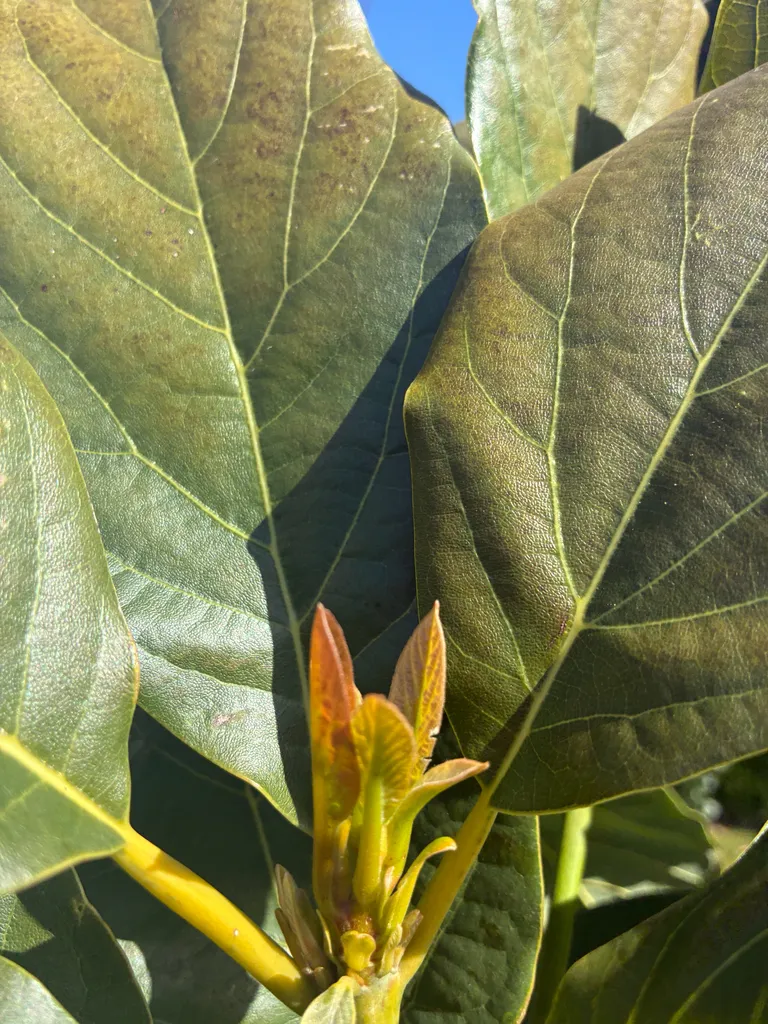
P. americana is a bushy evergreen shrub or small tree, with glossy, lance-shaped or elliptic leaves, rarely flowering in cultivation in temperate climates

Learn more →
sweet potato

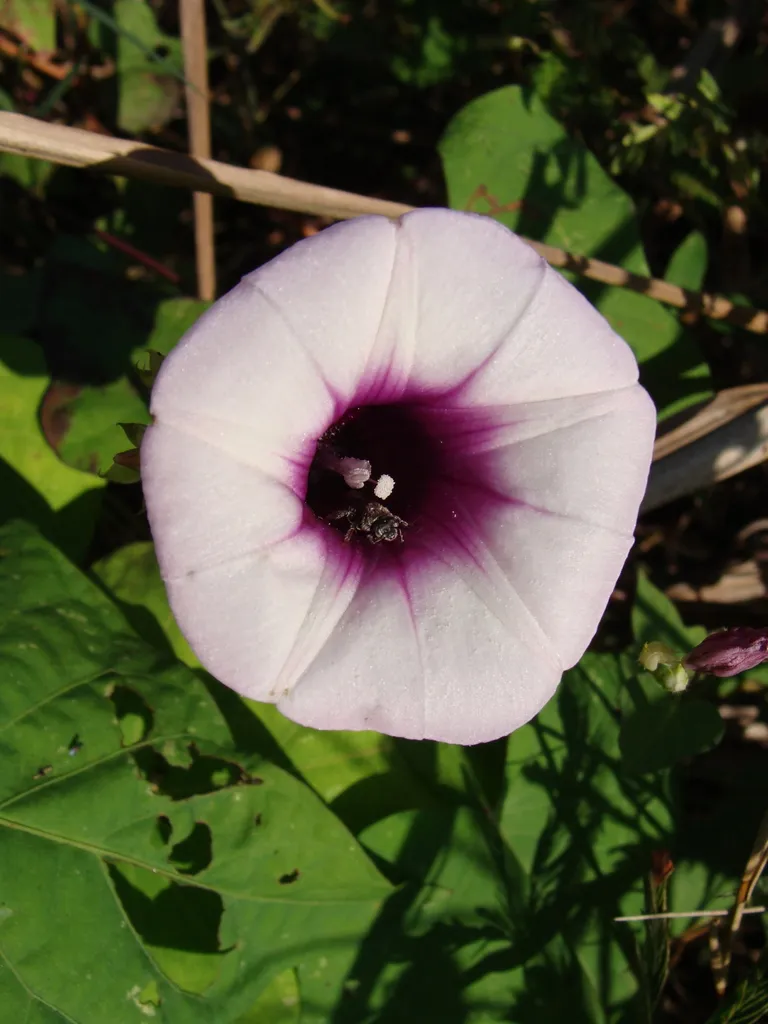
8. sweet potato

Ipomoea batatas

A variable species of twining perennial climber, often grown as an annual, with some cultivars valued for their edible roots. Leaves are usually ovate to heart-shaped, sometimes lobed and sometimes flushed with purple. Funnel-shaped flowers

Learn more →
Croton

9. Croton

Codiaeum variegatum

Codiaeum variegatum, commonly known as croton, is a striking evergreen shrub grown primarily for its bold, leathery leaves. The leaves come in a dazzling array of colors including green, yellow, orange, red, and purple, often with variegate

Learn more →
Caladium

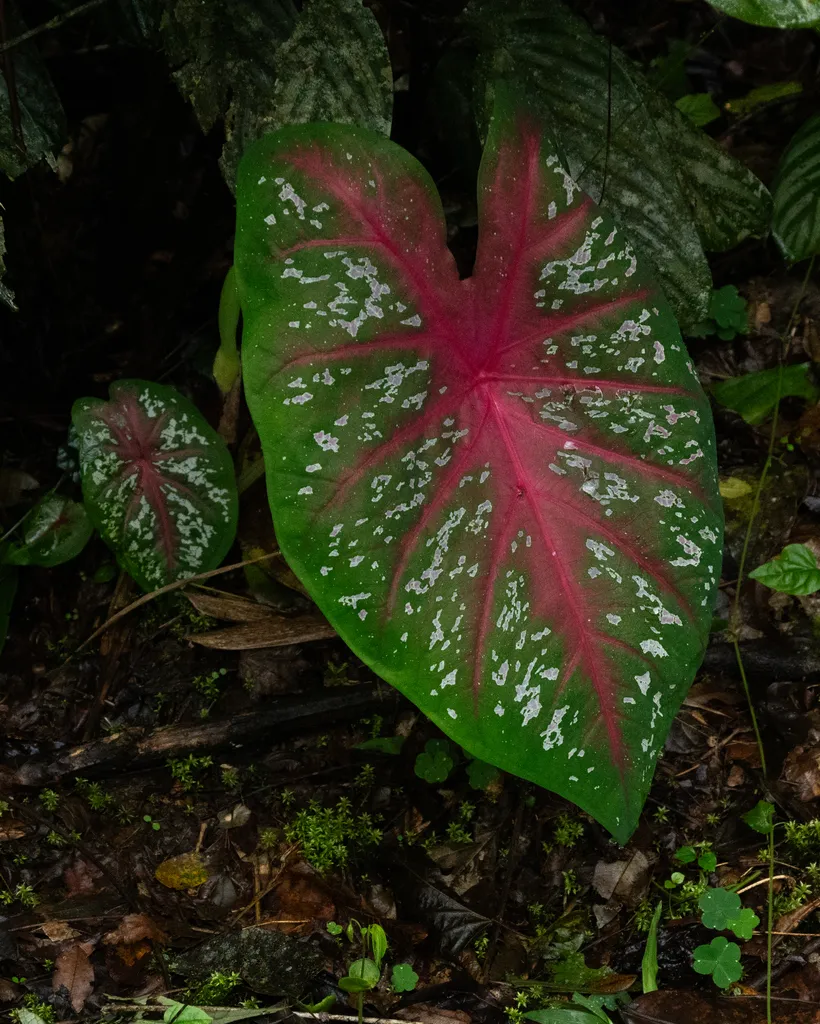
10. Caladium

Caladium bicolor

Caladium bicolor is a tuberous perennial grown for its striking, heart-shaped leaves that display a vibrant mix of green, white, pink, red, and burgundy. The foliage is papery thin with prominent veins, arising directly from the underground

Learn more →
Algerian bean

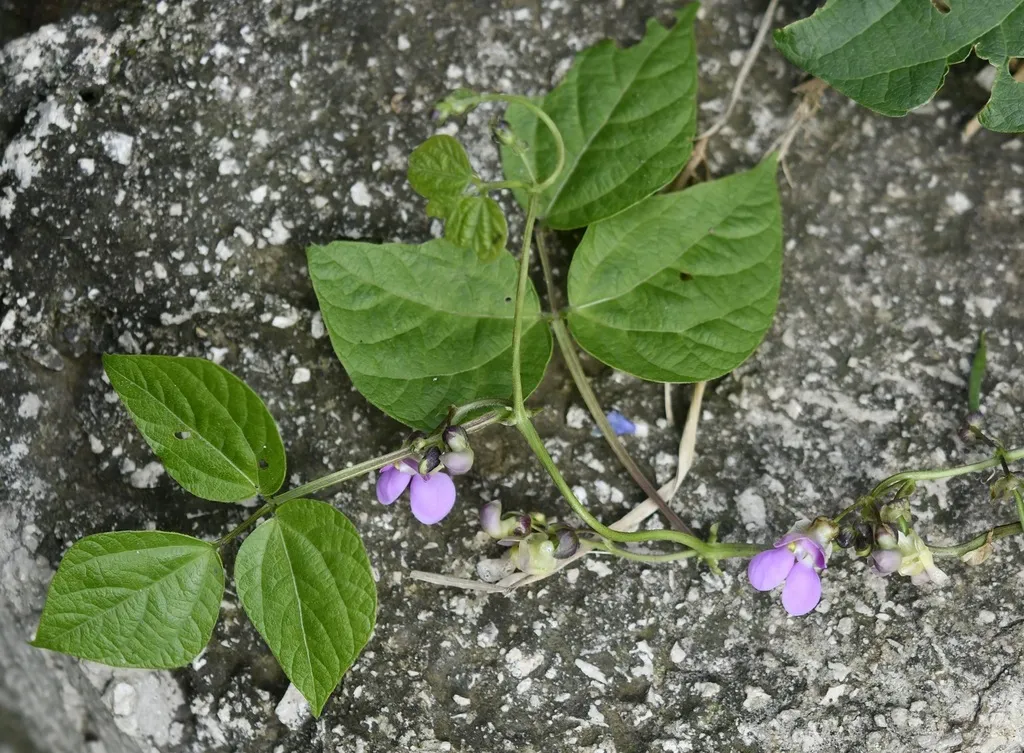
11. Algerian bean

Phaseolus vulgaris

The wild common bean from which a vast number of edible beans have been bred, including all the 'French' beans. They are annual, twining climbers with green tri-foliate leaves, though many selected varieties are dwarf. The flowers are mostl

Learn more →
golden pothos

12. golden pothos

Epipremnum aureum

An evergreen self-clinging climber to 4m or more, with glossy bright green ovate leaves spotted and streaked with cream or yellow; green flowering spathes appear only rarely in cultivation

Learn more →
Alpinia purpurata

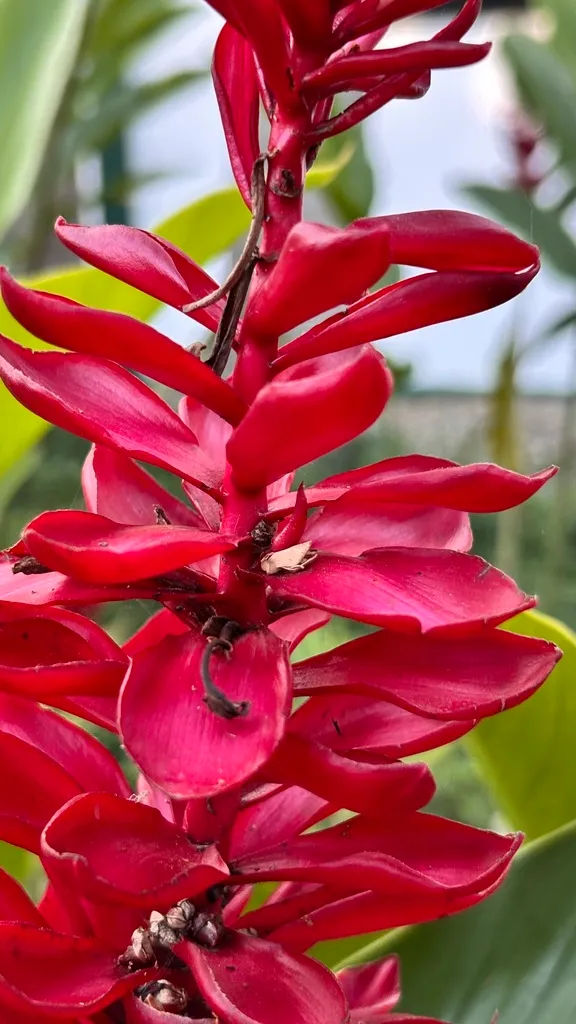
13. Alpinia purpurata

Alpinia purpurata

A tender perennial up to 4m high, with lance-shaped, slightly glossy green leaves to 80cm long. In summer, produces long, semi-upright flower spikes, with small white flowers surrounded by overlapping, bright red bracts

Learn more →
Chinese hibiscus

14. Chinese hibiscus

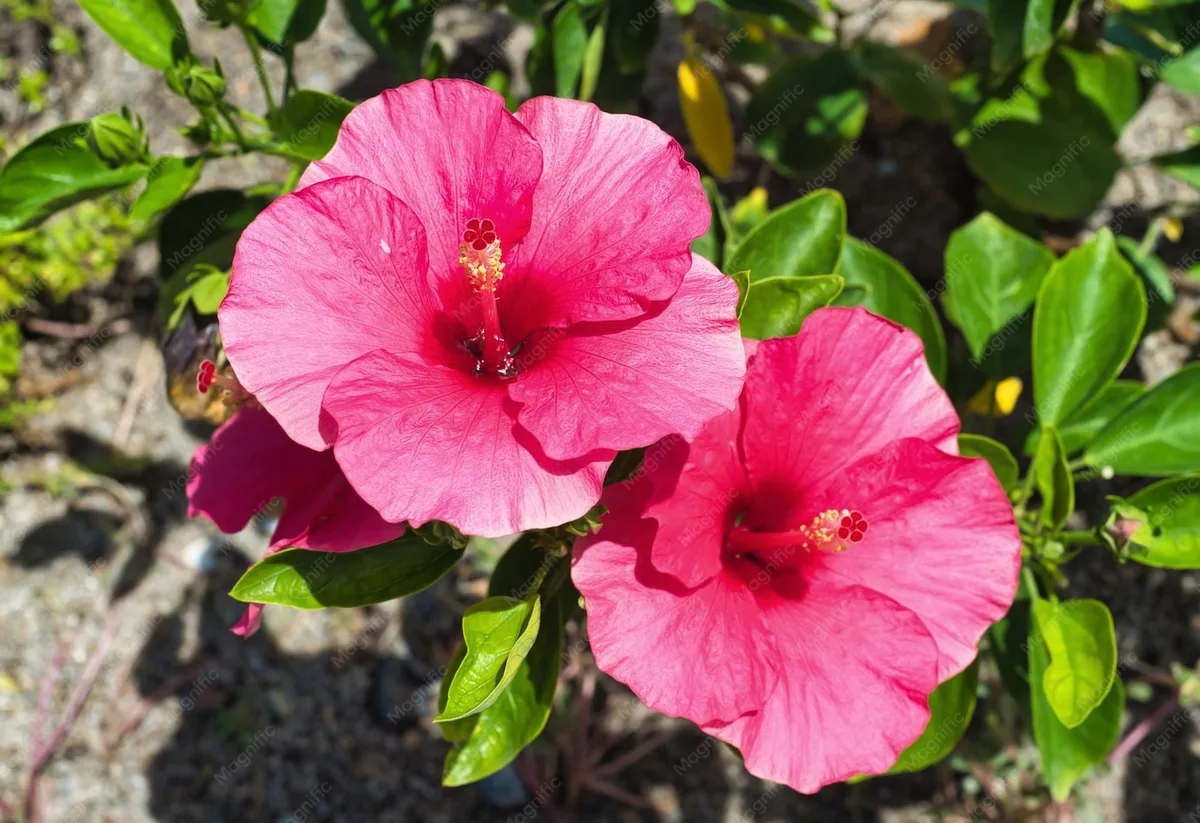
Hibiscus rosa-sinensis

A compact evergreen shrub with ovate to broadly lance-shaped glossy dark green leaves. Single 5-petalled flowers 10cm across with yellow anthered red stamens are produced from the leaf axils from summer to autumn, though in cultivation semi

Learn more →
PlantCare

Your Ultimate Guide to Plants

Identify, grow and nurture the better way!

PlantCare plant identification and care illustration
PlantCare

Botanist in your pocket

Scan to download PlantCareDownload on the App Store

Scan the QR code with your phone camera to download the app