
PLANT ENCYCLOPEDIA
Find your plant
38,239 plants
Search by scientific name, common name, or alias.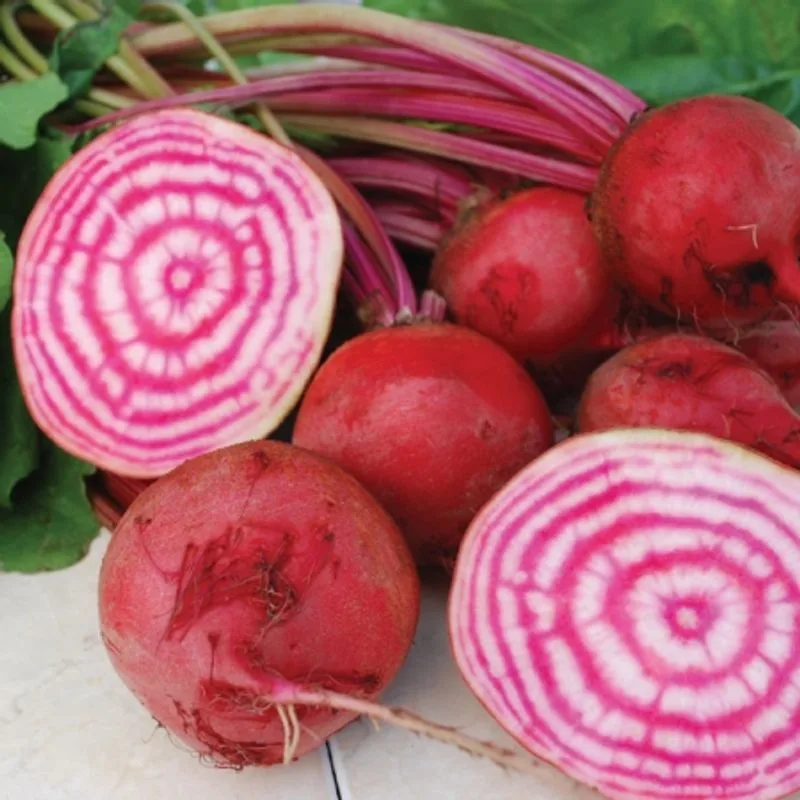
beetroot 'Subeto'
Beta vulgaris 'Subeto'
A high quality beet variety producing uniform, spherical roots with a deep crimson flesh. It has a full, sweet flavour and is noted for its reliability and vigour. Baby beets can be harvested when golf ball size or left to mature. It shows excellent resistance to fungal diseases
Learn more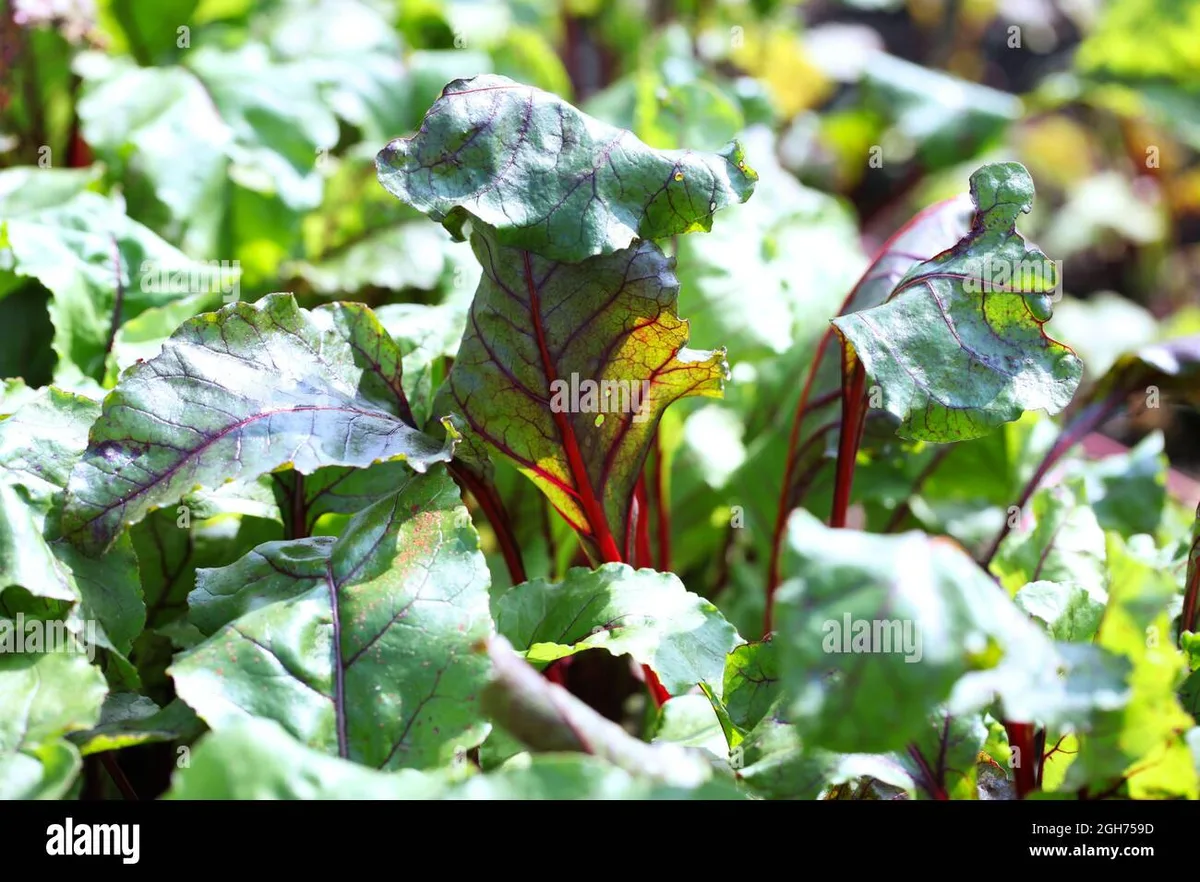
beetroot 'Wodan'
Beta vulgaris 'Wodan'
An early maturing beet variety producing excellent quality, bright red, round roots. It has a wonderful flavour, either as a baby beet or larger root, and is perfect for pickling. Harvest between June and October
Learn more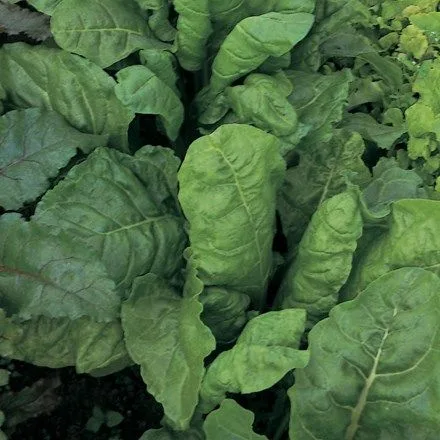
spinach beet 'Perpetual Spinach'
Beta vulgaris subsp. cicla 'Perpetual Spinach'
An annual vegetable with large, dark green ribbed foliage and thick, edible stems. Looks and tastes like spinach but shows very good resistance to bolting, even in dry conditions. Sow March-August, and harvest all year round as a cut-and-come-again crop. Young leaves can be harvested for salads within around 8 weeks
Learn more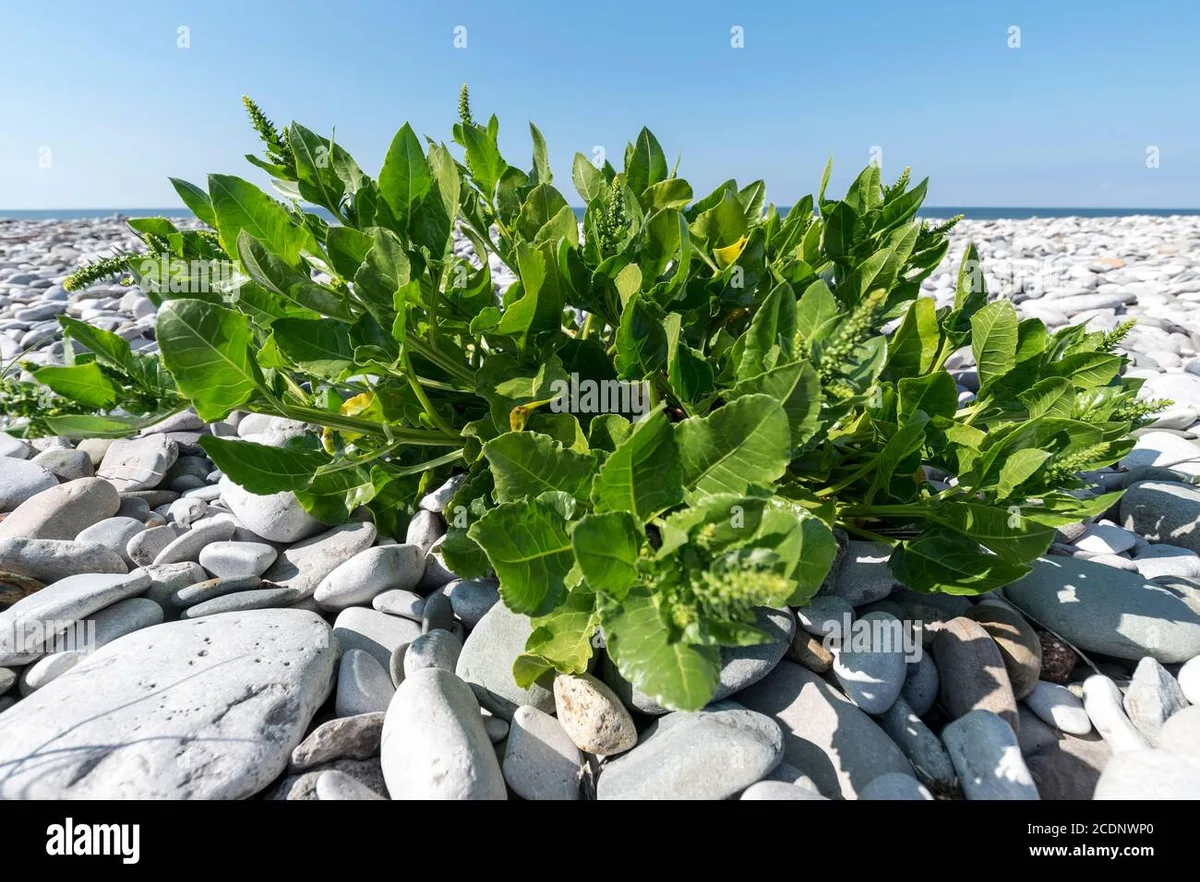
sea beet
Beta vulgaris subsp. maritima
This is the ancestral species from which all cultivated beets have been selected. It grows anywhere including at the coast and its deep green leaves are edible. It has numerous inconspicuous pale green flowers in clusters close to the stem.
Learn more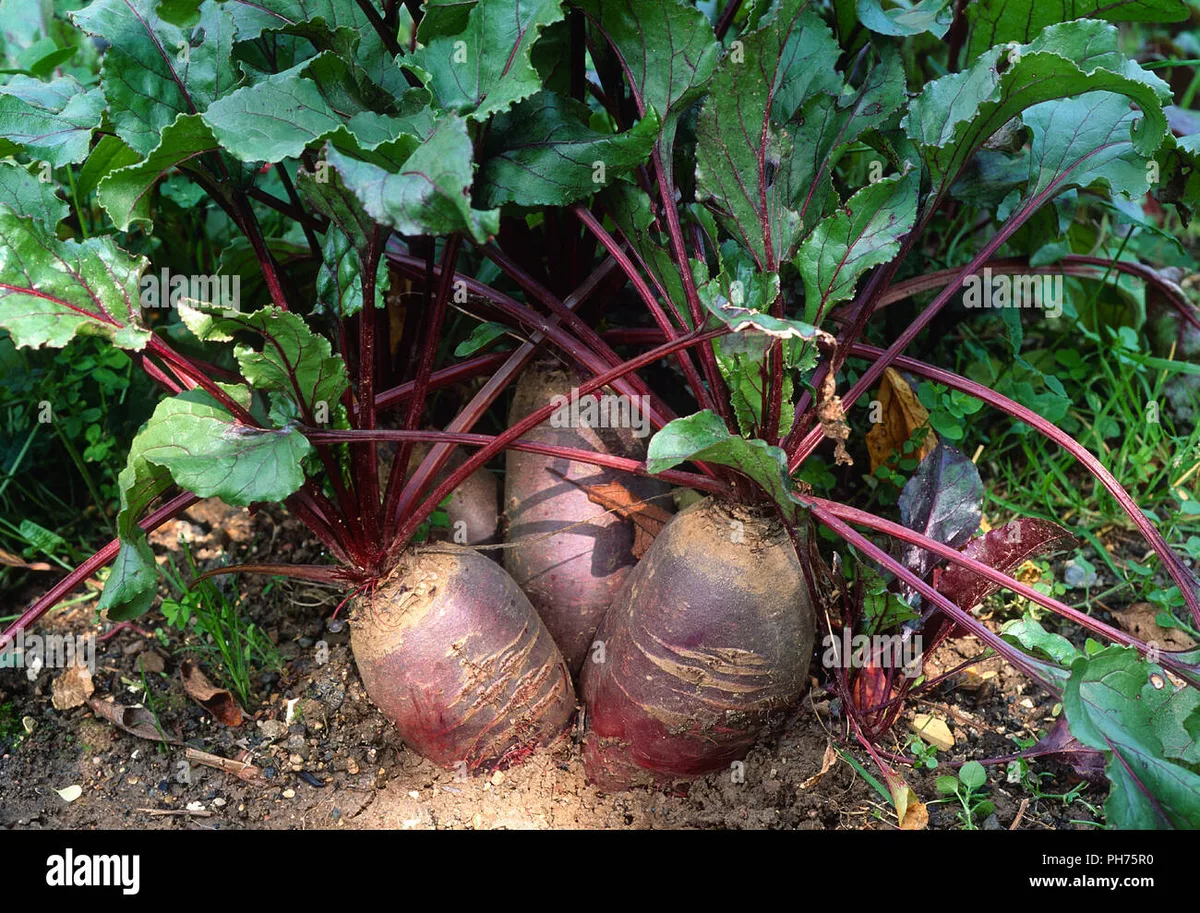
Beta vulgaris var. conditiva 'Boldor'
Beta vulgaris var. conditiva 'Boldor'
A yellow-stemmed beetroot with red-gold beetroots, described as copper, with bright yellow flesh
Learn more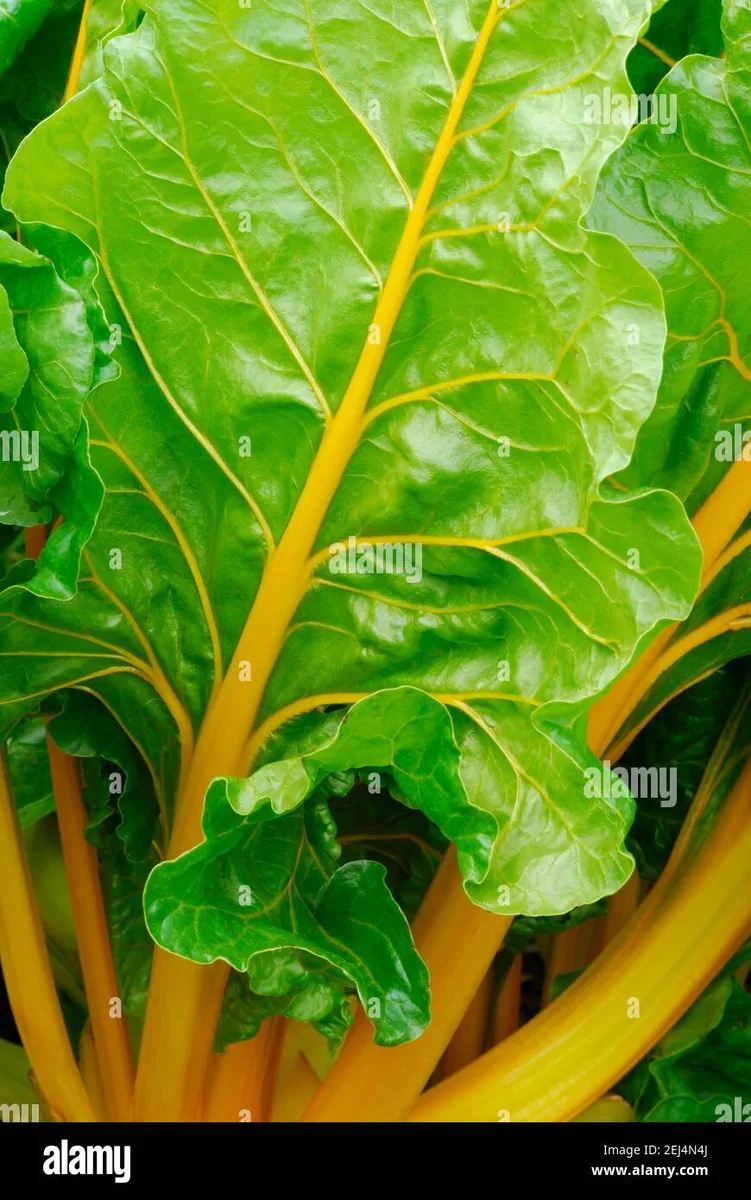
chard 'Bright Yellow'
Beta vulgaris var. flavescens 'Bright Yellow' [subsp. cicla]
A striking chard variety producing broad leaves with vivid yellow stems that carry a sweet flavour. It can be grown as baby leaf or left to mature, cropping from mid-Summer to late Autumn. It is slow to bolt and has good Winter hardiness
Learn more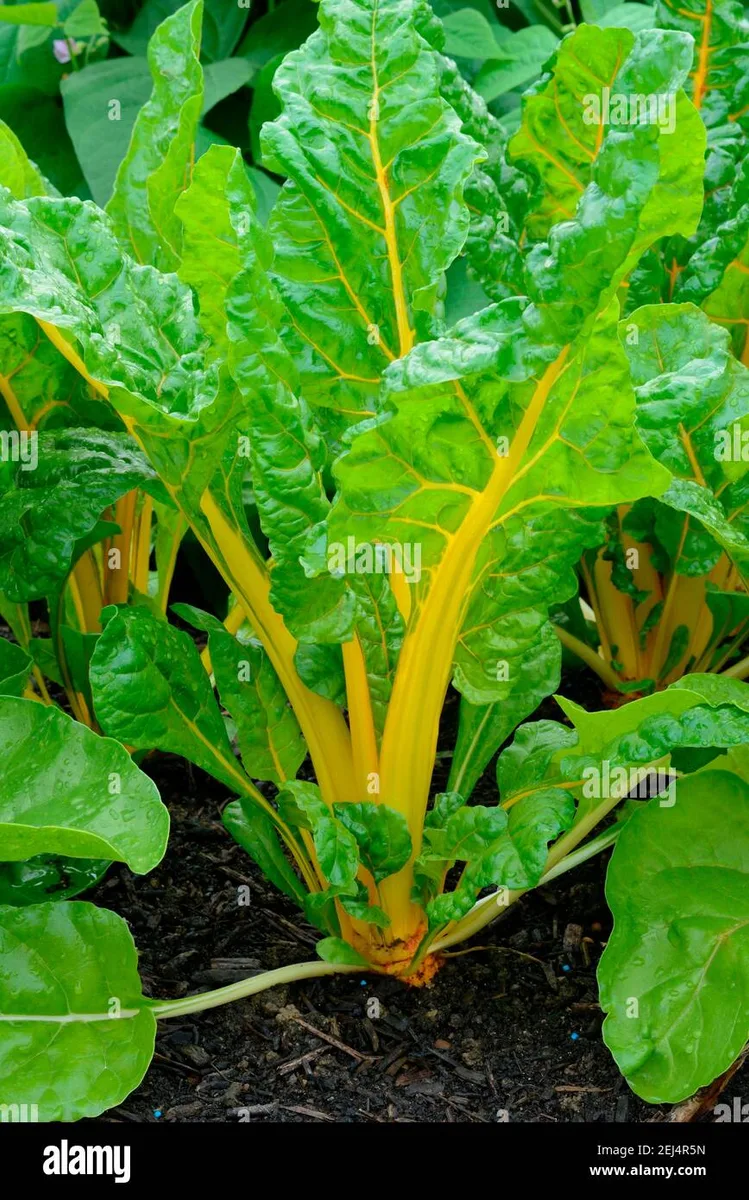
chard 'Canary Yellow'
Beta vulgaris var. flavescens 'Canary Yellow' [subsp. cicla]
Ornamental biennial grown as a vegetable for its attractive, peppery glossy, mid-green leaves with bright-yellow stems and mid-ribs. Shows resistance to bolting and can be used as an alternative to spinach
Learn more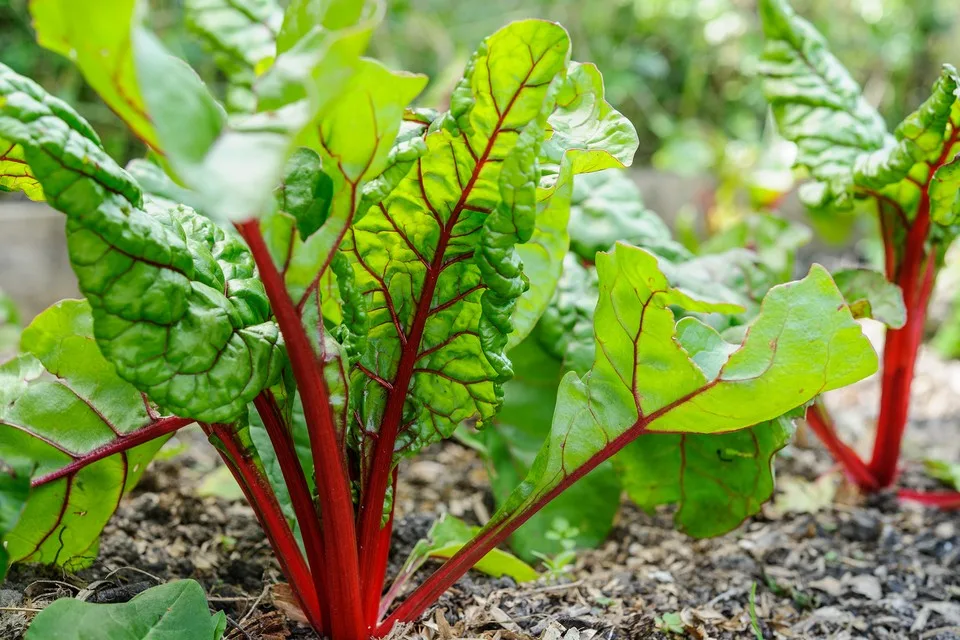
chard 'Charlotte'
Beta vulgaris var. flavescens 'Charlotte' [subsp. cicla]
A highly ornamental chard with dark green foliage with dark red veining and long, dark red stalks which is why it is sometimes referred to as 'rhubarb chard'. Shows very good resistance to bolting and good for growing in pots and ornamental borders. Sow March-May, plant out May to September. Young leaves can be harvested for salads within around 8 weeks
Learn morechard 'Fantasy'
Beta vulgaris var. flavescens 'Fantasy' [subsp. cicla]
A leaf beet variety considered to be the best tasting Red Chard with a mild, juicy flavour and no harsh after taste. It shows excellent tolerance to downy mildew and can be successionally sown throughout Spring and Summer for a harvest of baby leaf or mature leaves
Learn more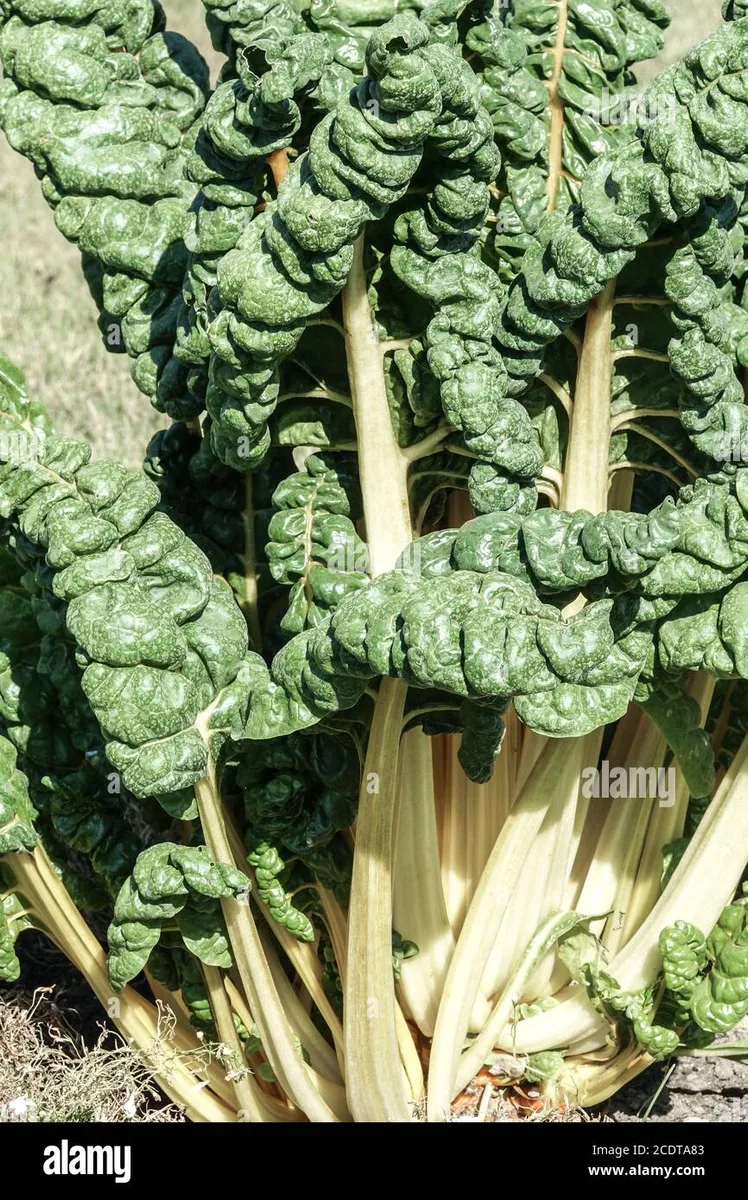
chard 'Fordhook Giant'
Beta vulgaris var. flavescens 'Fordhook Giant' [subsp. cicla]
A strong, vigorous and very productive dark green and leafy swiss chard with crisp white stems and a strong, earthy flavour. If sown in July, leaves can be harvested in the winter months through until March. A heritage variety introduced in 1934
Learn morechard 'Green Wave'
Beta vulgaris var. flavescens 'Green Wave' [subsp. cicla]
A highly productive chard variety with large-medium green leaves and a slender light green stem
Learn more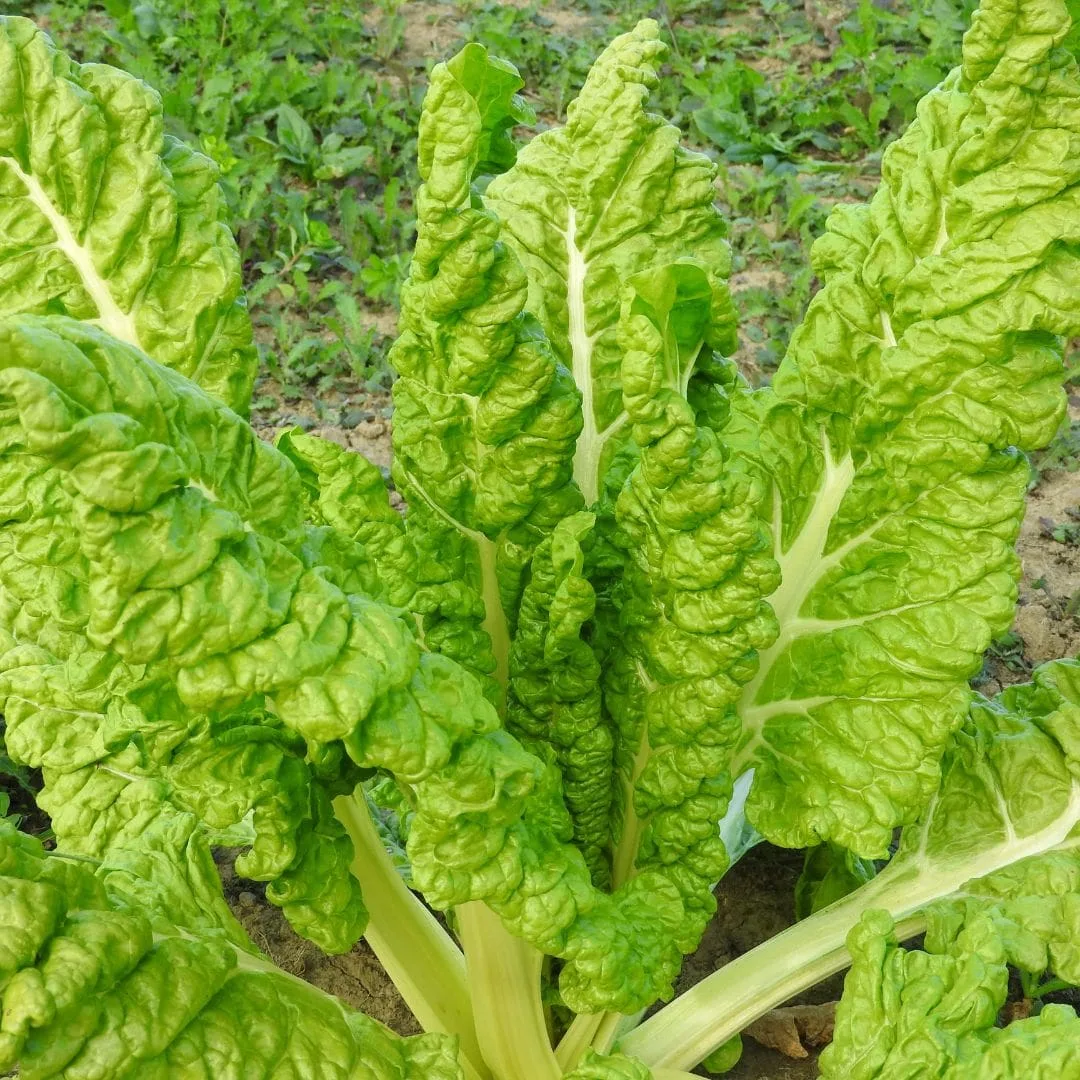
chard 'Lucullus'
Beta vulgaris var. flavescens 'Lucullus' [subsp. cicla]
A biennial vegetable grown for its edible leaves. This is a prolific, white-stemmed heirloom cultivar with bright lime-green leaves, growing to a height of around 40-50cm. Often grown as an annual but may overwinter in areas where the soil is not too wet.
Learn more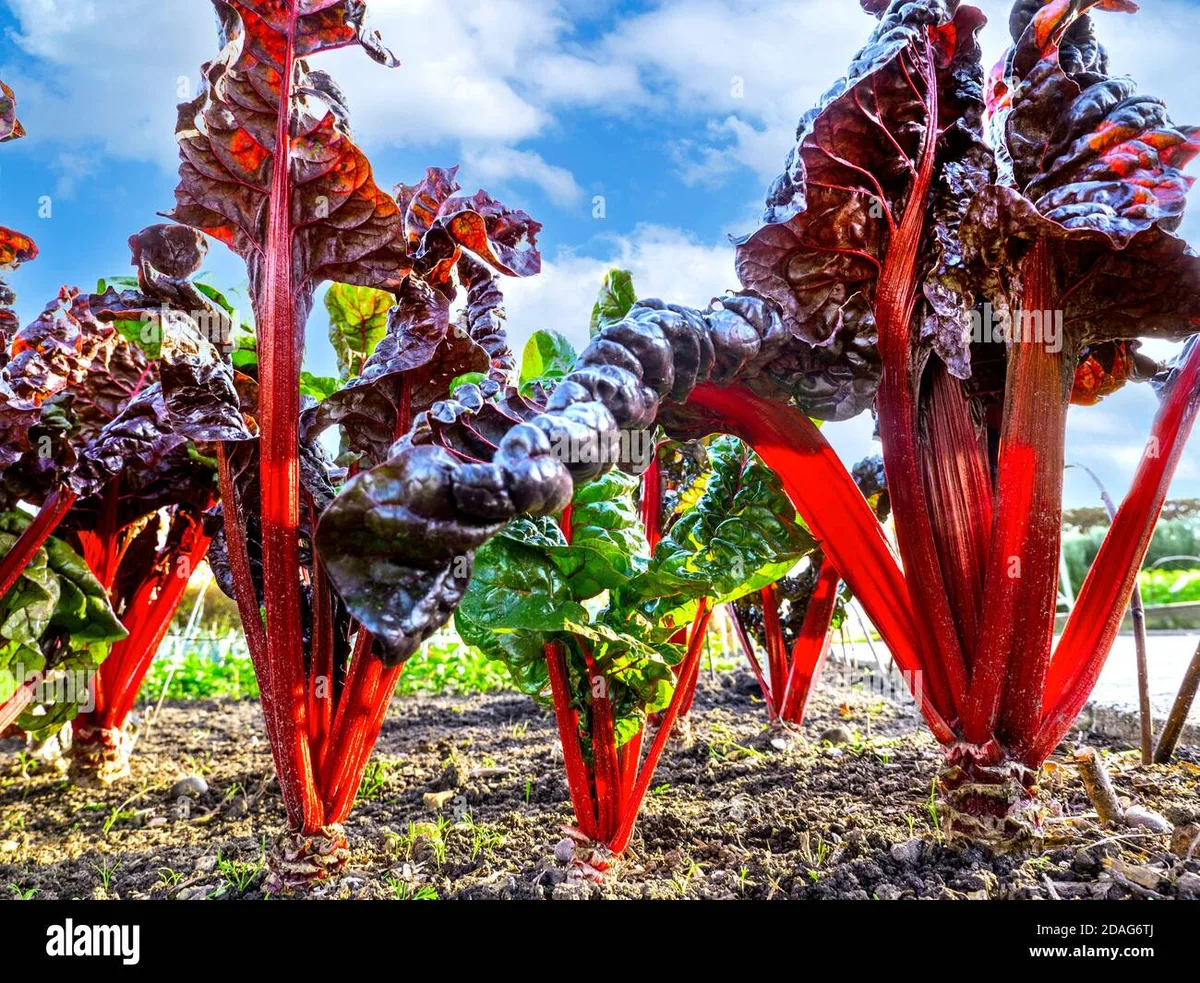
chard 'Rhubarb Chard'
Beta vulgaris var. flavescens 'Rhubarb Chard' [subsp. cicla]
A rosette-forming biennial, which may be grown as a vegetable, or for ornamental effect. The large, broadly triangular, deeply puckered leaves are dark green tinged with purple, with bright red stems and midribs. Leaves may be picked small for salads or cooked when mature, using the stems like celery and the blades like spinach. Plants left for a second year produce tall, leafy stems topped with narrowly conical sprays of small, green flowers in spring or summer
Learn morechard 'White Silver'
Beta vulgaris var. flavescens 'White Silver' [subsp. cicla]
A classic chard variety which is easy to grow and produces large, glossy, sweet and succulent leaves on thick white stems. It is a staple of the vegetable garden. Harvest it as baby leaf or leave to mature and pick into the New Year
Learn more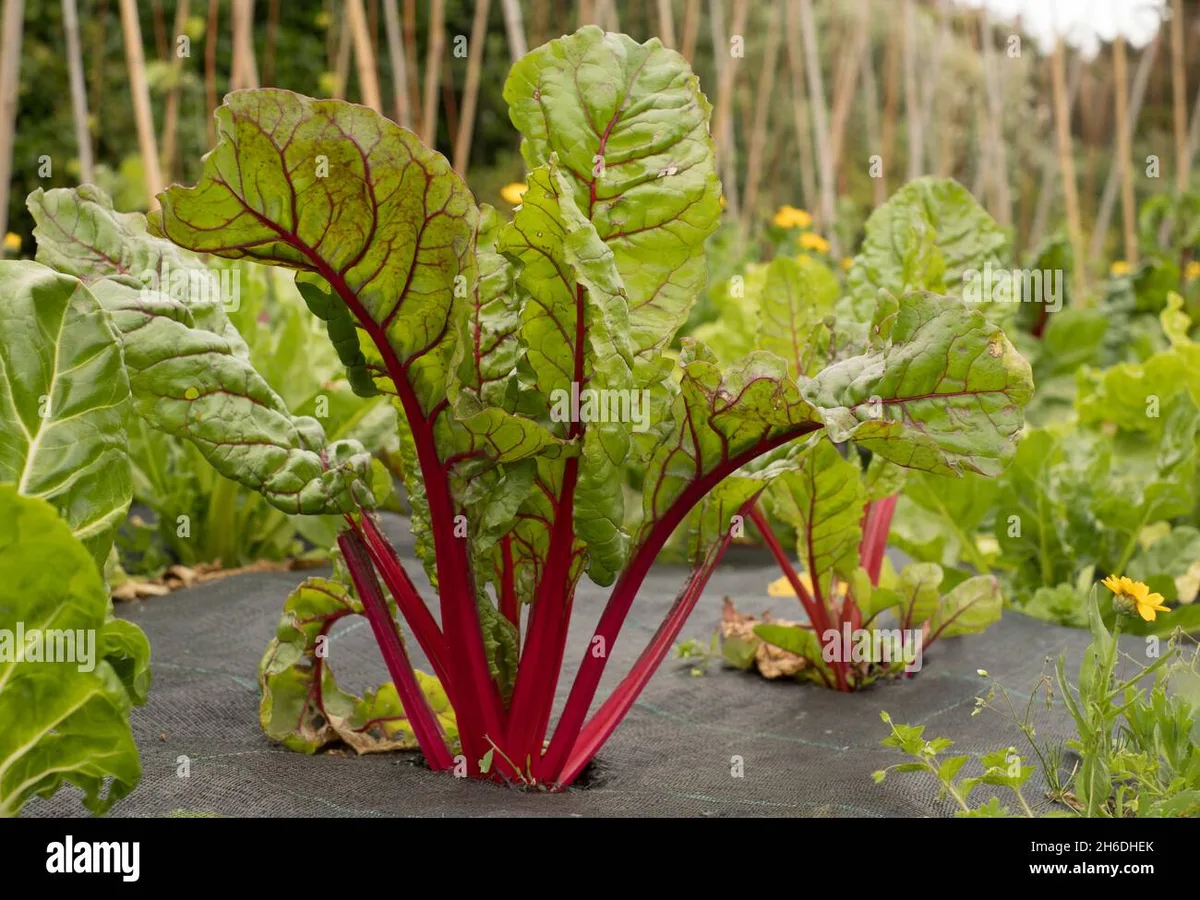
Swiss chard
Beta vulgaris var. flavescens [subsp. cicla]
The group of all the cultivated beets, selected for their large fleshy leaves and brightly coloured stems. These can produce an edible crop all year round and are known for their better resistance to bolting (running to flower and seed) than spinach
Learn more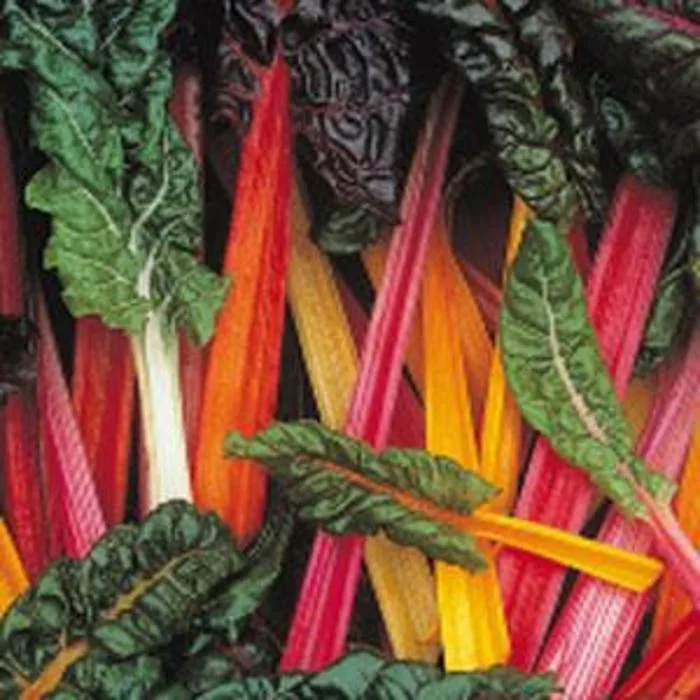
chard [Bright Lights]
Beta vulgaris var. flavescens Bright Lights ('Bright Lights')
A biennial vegetable grown for its edible leaves. Stems appear in a range of red, yellow and orange shades. Often grown as an annual but may overwinter in areas where the soil is not too wet.
Learn more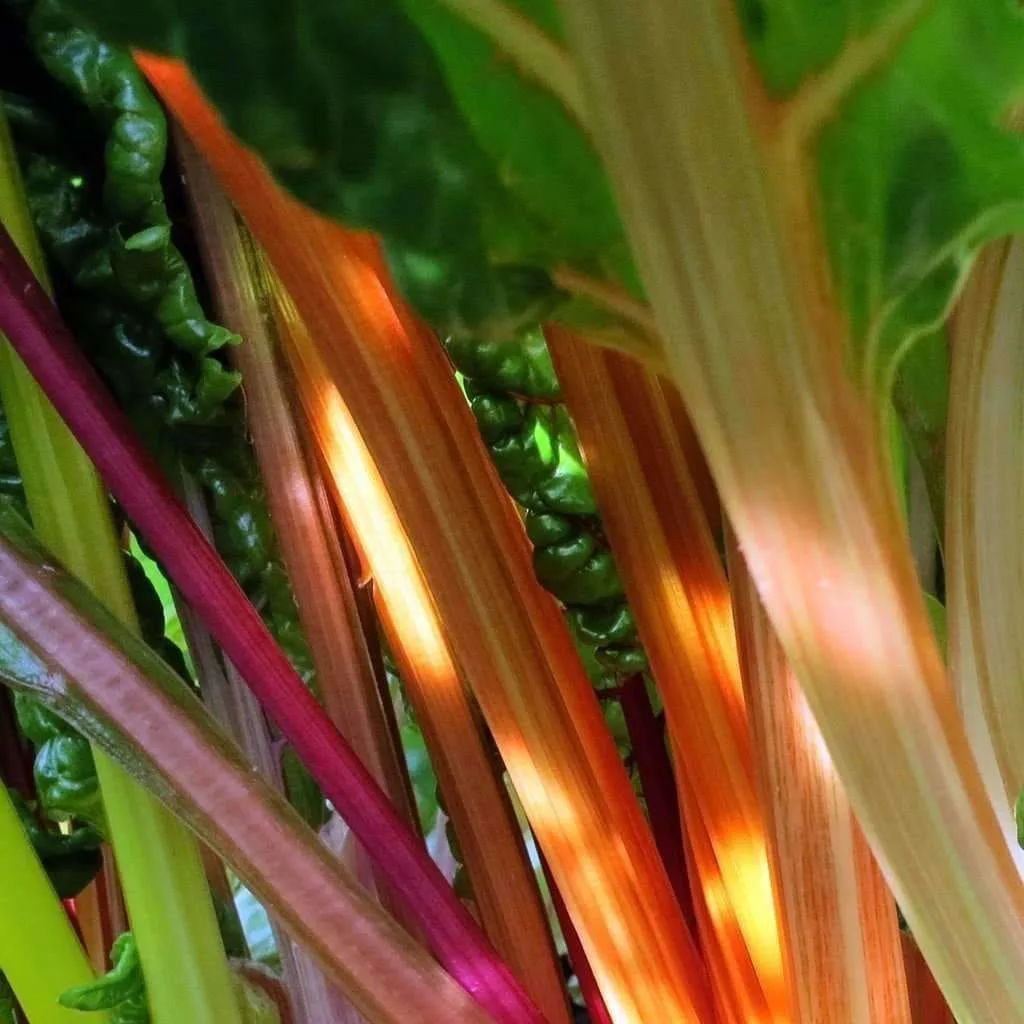
chard [Rainbow Mixed]
Beta vulgaris var. flavescens Rainbow Mixed
An excellent mix of round shaped beetroot varieties that come in a striking host of colours and flavours, from earthy to sweet. Perfect for growing as baby beets with kids and to add a splash of colour to a summer salad
Learn more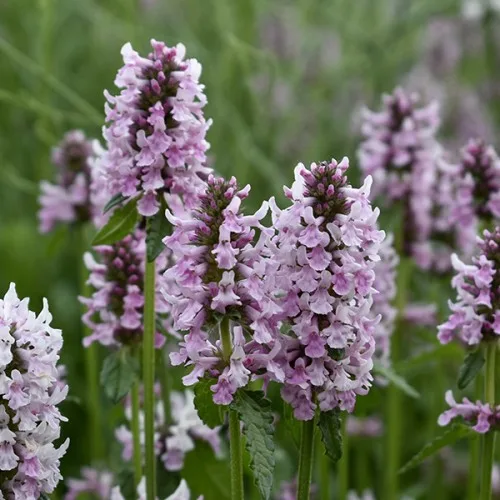
Betonica 'Summer Crush'
Betonica 'Summer Crush'
A tall-growing herbaceous perennial, producing dense heads of bicoloured, pink and white flowers in summer, on stems up to 75cm (30in) high, above loose rosettes of soft green, crinkled foliage. The flowers are very attractive to bees and other pollinators and so make a useful addition to the wildlife garden
Learn more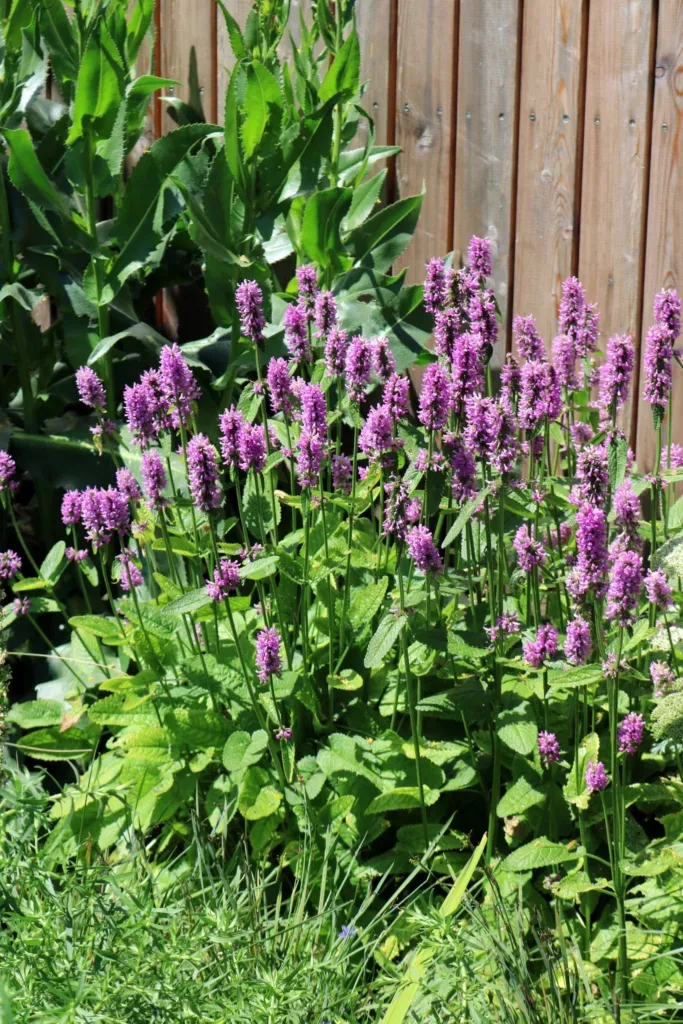
Betonica 'Summer Romance'
Betonica 'Summer Romance'
A compact, herbaceous perennial, producing dense heads of deep pink flowers in summer, on stems up to 60cm (2ft) high, above loose rosettes of soft green, crinkled foliage. The flowers are very attractive to bees and make a good addition to the wildlife garden.
Learn more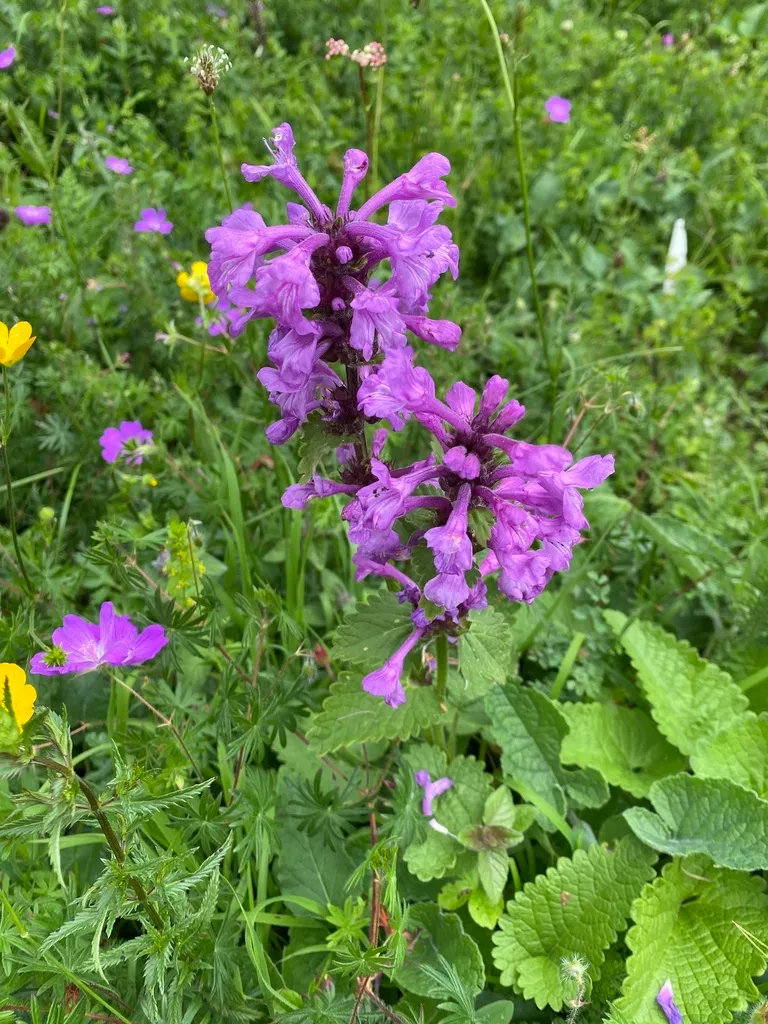
big betony
Betonica macrantha
S. macrantha is an upright perennial to 60cm tall, with neatly toothed, oblong leaves and hooded pinky-purple flowers, 3.5cm long, in dense spikes in summer and early autumn
Learn more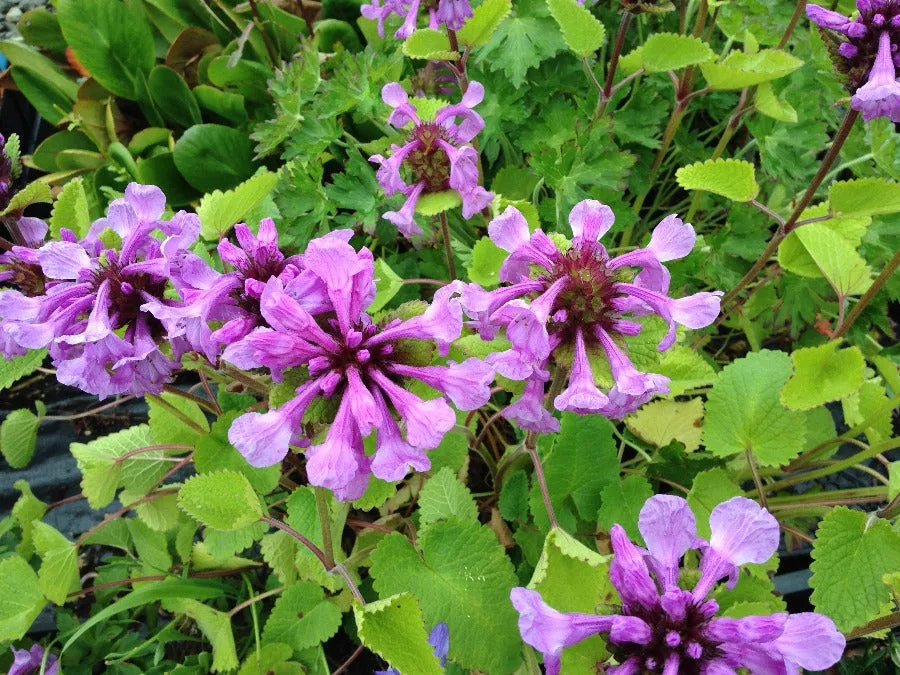
betony 'Robusta'
Betonica macrantha 'Robusta'
An upright clump-forming herbaceous perennial to 60cm, with strongly veined, ovate, dark green leaves with scalloped edges. Hooded purplish-pink flowers 3cm in length are borne in dense spikes
Learn more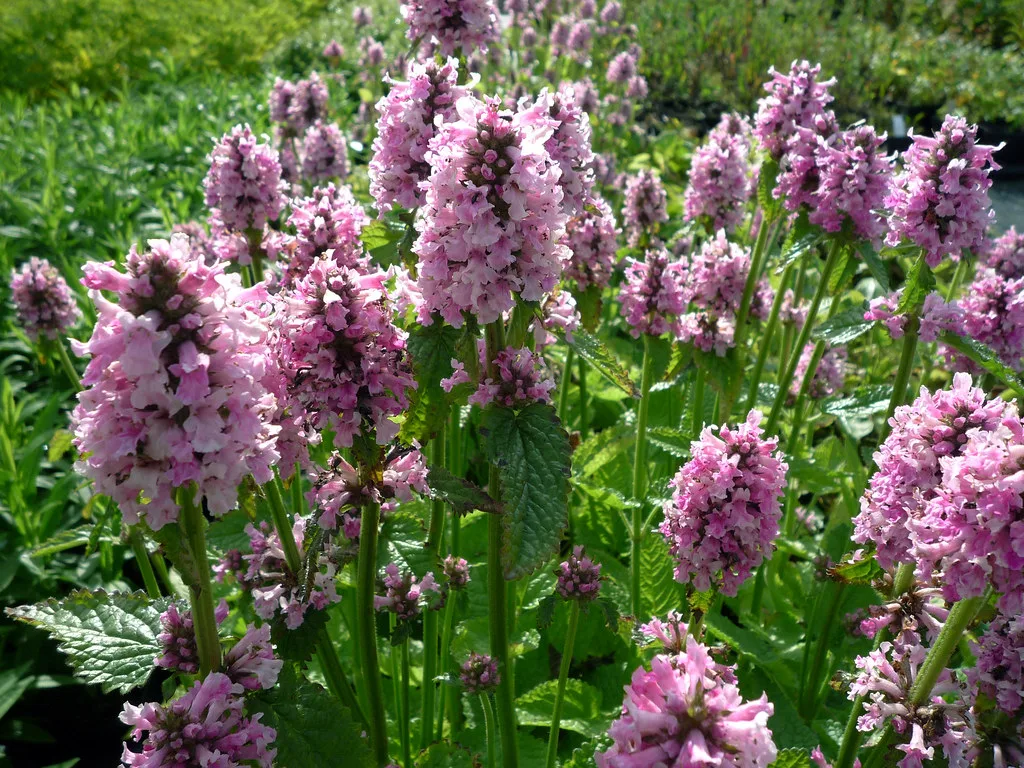
Betonica macrantha 'Rosea'
Betonica macrantha 'Rosea'
A compact, clump-forming herbaceous perennial, producing dense heads of rose-pink flowers in summer, on erect stems up to 0.6m (2ft) high, above mats of green, scalloped, crinkled foliage. The flowers are extremely attractive to bees and other pollinators, making the plants a good choice for including in a wildlife garden.
Learn more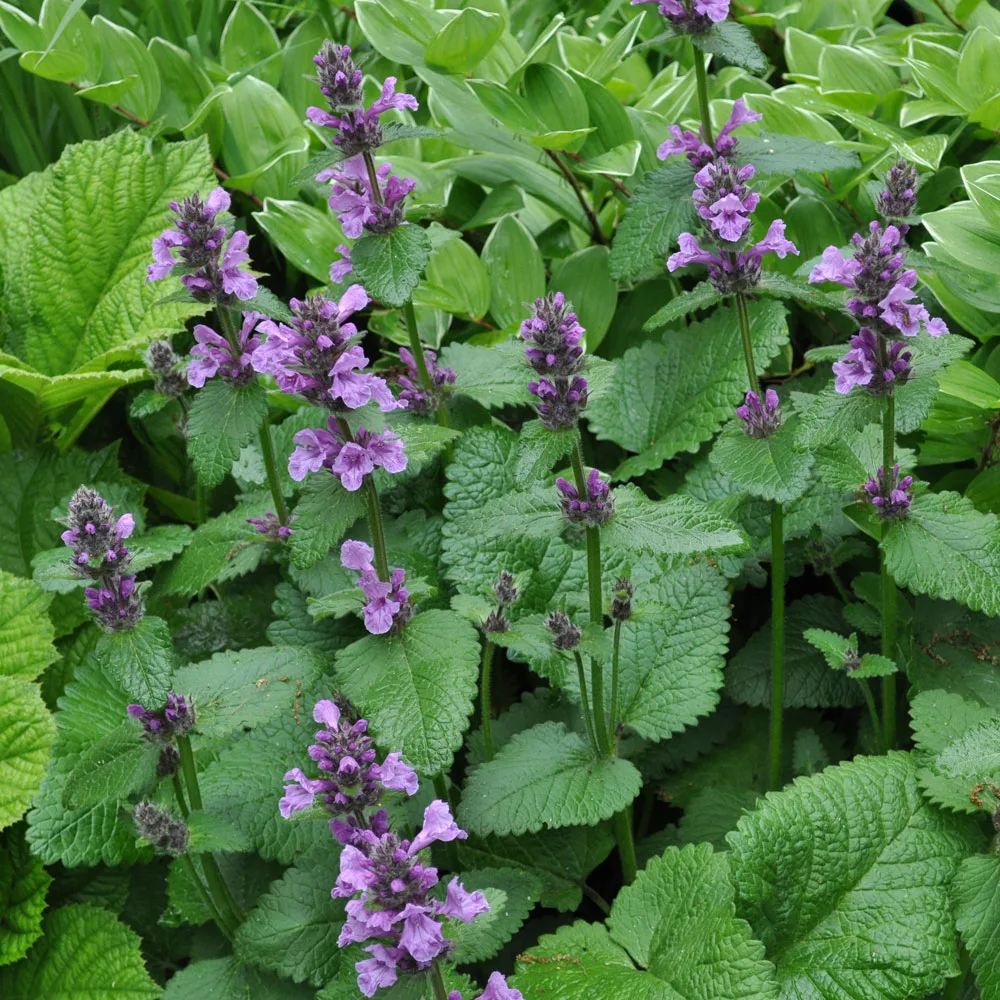
betony 'Superba'
Betonica macrantha 'Superba'
An upright perennial to 60cm tall, with neatly toothed, oblong leaves and hooded deep rosy-purple flowers 3.5cm long in dense spikes in summer and early autumn
Learn more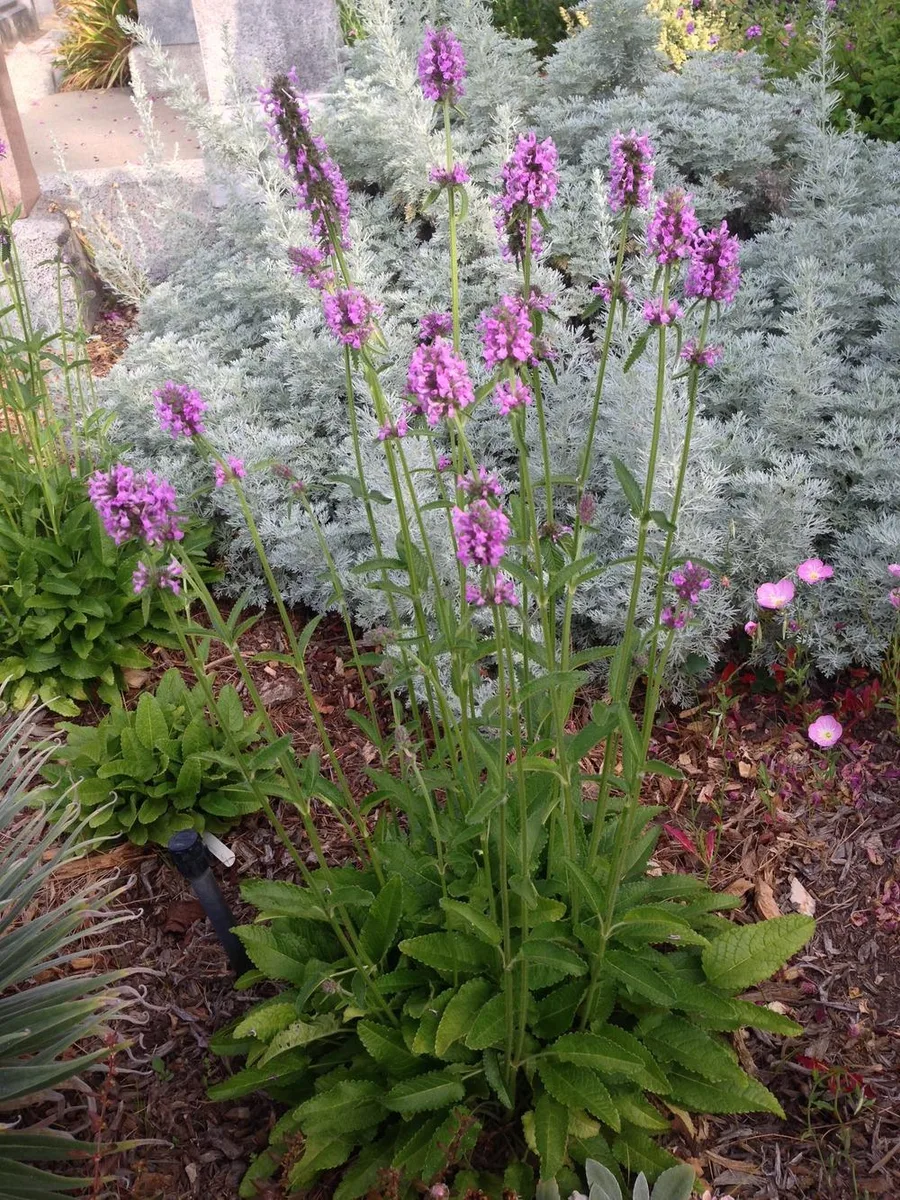
betony 'Violacea'
Betonica macrantha 'Violacea'
A compact, clump-forming herbaceous perennial, producing heads of pale purple-pink flowers in summer, on erect stems up to 0.6m (2ft) high, above mats of green, scalloped, crinkled foliage. The flowers are extremely attractive to bees and other pollinators, making the plants a good choice for including in a wildlife garden.
Learn more