



Planting and Growing African mask plant

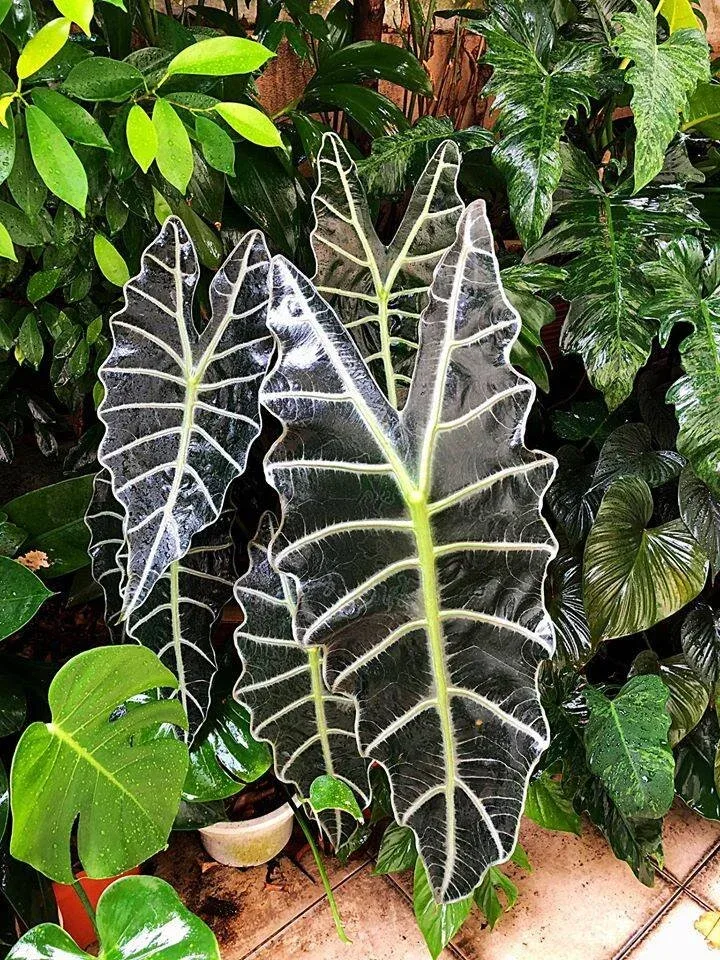
| Care difficulty | 4 / 5 |
|---|---|
| Watering schedule | Keep soil moist and mist leaves regularly |
| Sunlight requirements | Bright indirect light |
| Ideal temperature | 20 – 30 °C |
| Soil type | Loam · Peat |
| Soil pH | Acid · Neutral |
| Soil moisture | Moist but well drained |
| Fertilizing | Every two weeks with diluted liquid fertilizer during growing season |
| Toxicity | All parts contain calcium oxalate crystals and are toxic if ingested, causing irritation and swelling; keep away from children and pets. |
How to Water African mask plant?
Keep soil moist and mist leaves regularly
Learn more →What Are the Sunlight Requirements for African mask plant?
Bright indirect light
Learn more →What Is the Ideal Temperature Range for African mask plant?

20 – 30 °C
Learn more →What Soil Is Best for African mask plant?
- Soil type
- Loam · Peat
- Soil pH
- Acid · Neutral
What Are the Moisture Requirements for African mask plant?
Moist but well drained
Learn more →How to Fertilize African mask plant?

Every two weeks with diluted liquid fertilizer during growing season
Learn more →How to Prune African mask plant?

Remove yellowed or dead leaves at the base as they appear to maintain a tidy appearance. In early spring, cut back any leggy or damaged growth to encourage fresh foliage.
Learn more →How to Propagate African mask plant?

Propagate by division during repotting in spring; carefully separate offsets or rhizome sections, each with at least one leaf and root, and pot them in moistened potting mix. Alternatively, stem cuttings can be rooted in water or sphagnum moss at 25°C with high humidity; roots typically appear within 3–4 weeks.
Learn more →How to Plant African mask plant?
Grow in a warm, humid environment with bright, indirect light; avoid direct sunlight which can scorch the leaves. Use a well-draining, peat-based potting mix and keep the soil consistently moist but not waterlogged, allowing the top inch to dry slightly between waterings. Fertilize every 2–4 weeks during the growing season (spring to early autumn) with a balanced liquid fertilizer at half strength. In winter, reduce watering and stop feeding; maintain temperatures above 15°C and increase humidity by misting or using a pebble tray.
Learn more →Common Pests & Diseases

Diseases
Susceptible to root rot and leaf spot caused by overwatering or poor drainage; ensure pots have drainage holes and avoid waterlogged conditions.
Pests
Common pests include spider mites, mealybugs, and aphids; regularly inspect leaf undersides and treat with insecticidal soap or neem oil if infested.
Explore the plant health library →Troubleshooting
Yellowing Outer Leaves and Winter Dormancy
Alocasia amazonica (African mask plant, a hybrid group often classified under Alocasia x amazonica) grows from an underground rhizome/corm and commonly drops older outer leaves—or goes fully dormant in cool, low-light winter conditions.
| What you notice | Possible explanation | What to check next |
|---|---|---|
| One oldest outer leaf yellows and dies back just as a new leaf unfurls from the center | Normal leaf turnover in young or small-potted Alocasia | Cut the spent leaf cleanly at the base once fully yellowed and monitor new growth. |
| Several leaves yellow rapidly while the potting mix stays wet and cold | Overwatering, poor drainage, or rhizome rot | Stop watering, empty standing water, and unpot to inspect the rhizome and roots for mushy decay. |
| All leaves die back in autumn or winter while the underground rhizome stays firm | Seasonal dormancy triggered by temperatures below 15°C to 18°C (60°F to 65°F) and shorter days | Check rhizome firmness; if firm, reduce watering dramatically until warm spring growth resumes. |
- Grow in a chunky, fast-draining aroid mix (such as peat/coir amended with bark and perlite) in a pot with open drainage holes.
- Water thoroughly when the top 1 to 2 inches of mix feel dry during active warm growth, and empty excess saucer water promptly.
- Keep indoor temperatures warm between 18°C and 27°C (65°F to 80°F) away from cold drafts.
- If leaves die back in winter but the rhizome remains firm, keep the mix barely damp in a warm spot and resume normal watering when new shoots emerge in spring.
All parts of Alocasia contain insoluble calcium oxalate crystals; wear gloves when pruning or repotting.
Crispy Leaf Edges and Spider Mites in Dry Air
Alocasia amazonica is particularly prone to spider mites and crispy leaf tips when indoor air is dry and warm.
| What you notice | Possible explanation | What to check next |
|---|---|---|
| Fine webbing in leaf sinus notches, pale stippling on upper leaves, and tiny moving dots underneath | Spider mites | Isolate the plant immediately and wipe or rinse both leaf surfaces thoroughly. |
| Leaf tips and scalloped margins turn brown and dry without webbing | Low indoor humidity, heater drafts, or tap water mineral buildup | Check ambient humidity and water quality. |
- Inspect leaf undersides and the V-shaped sinus near the petiole regularly, wiping leaves with a damp cloth to deter spider mites.
- Maintain moderate to high humidity with a humidifier or pebble tray, away from dry heating vents.
- Place in bright, indirect light and use rainwater, distilled water, or filtered water if tap water causes tip browning.
Alocasia amazonica is toxic to cats and dogs if chewed or ingested.
The Toxicity of African mask plant
All parts contain calcium oxalate crystals and are toxic if ingested, causing irritation and swelling; keep away from children and pets.