Plants in General Santos

Get to know 14 plants selected from General Santos. Discover their scientific names, identifying features and growing needs.

Plants to discover

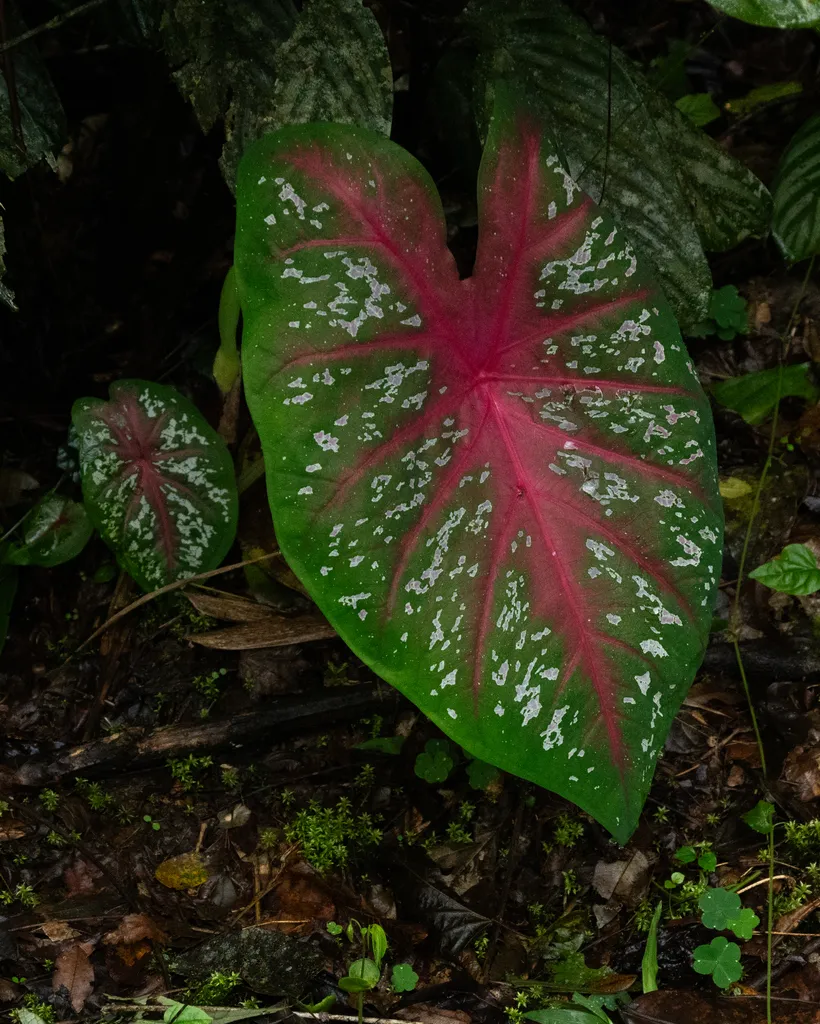
Caladium

1. Caladium

Caladium bicolor

Caladium bicolor is a tuberous perennial grown for its striking, heart-shaped leaves that display a vibrant mix of green, white, pink, red, and burgundy. The foliage is papery thin with prominent veins, arising directly from the underground

Learn more →
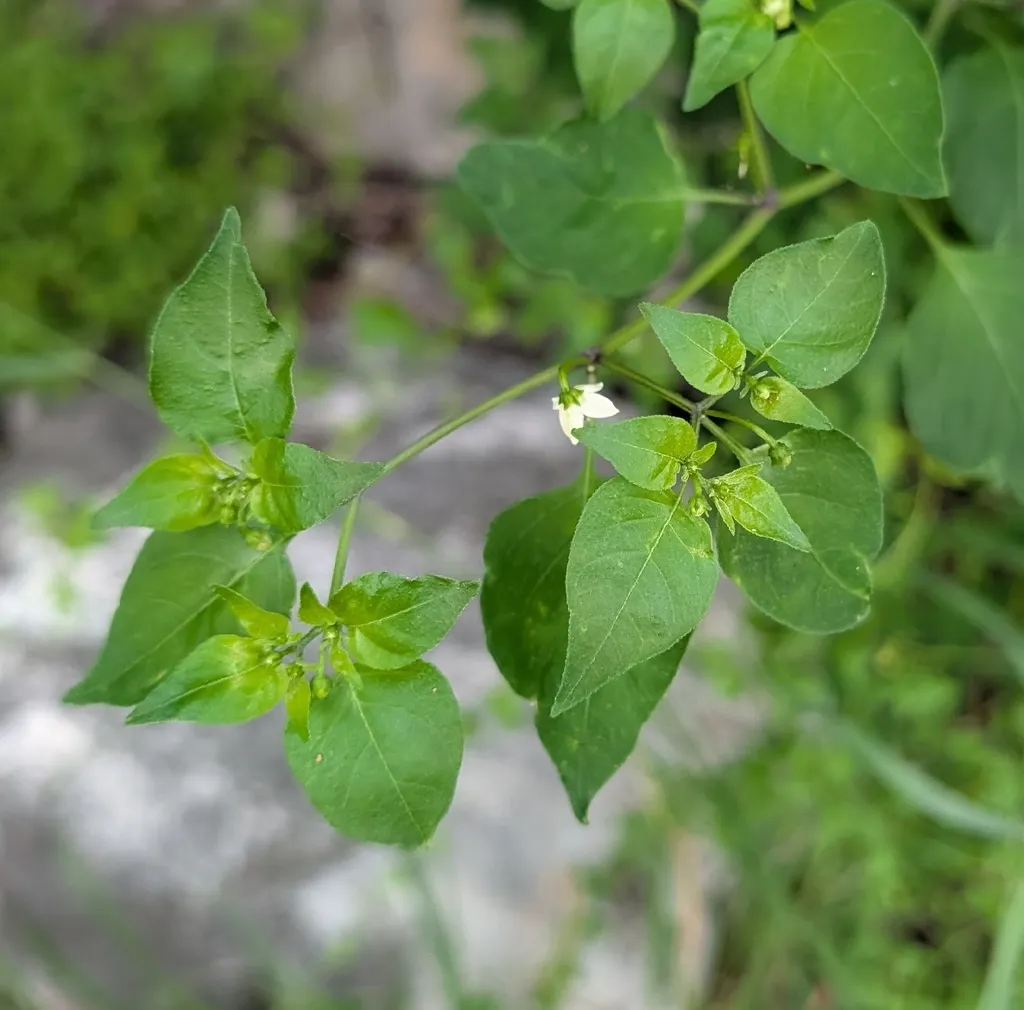
bell pepper

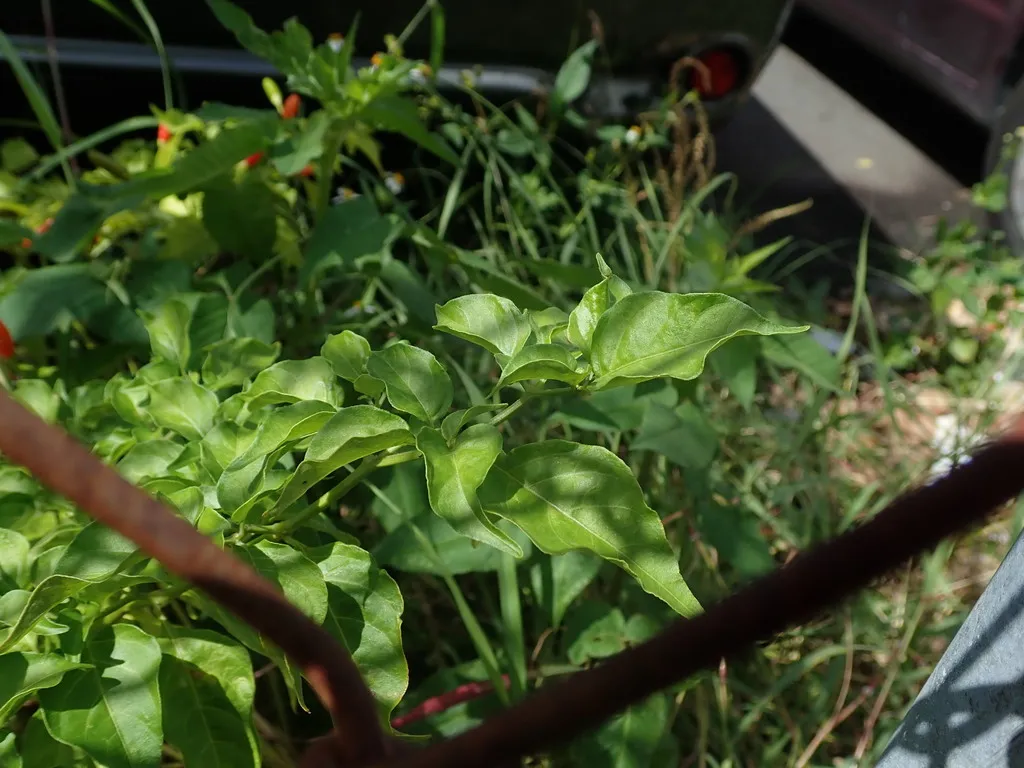
2. bell pepper

Capsicum annuum

This is the wild plant from which many of our cultivated sweet peppers and chillies have been bred. It shows a wide range of fruit shapes, colours, sizes and degree of capsaicin production - from where the heat may or may not be felt. It ha

Learn more →
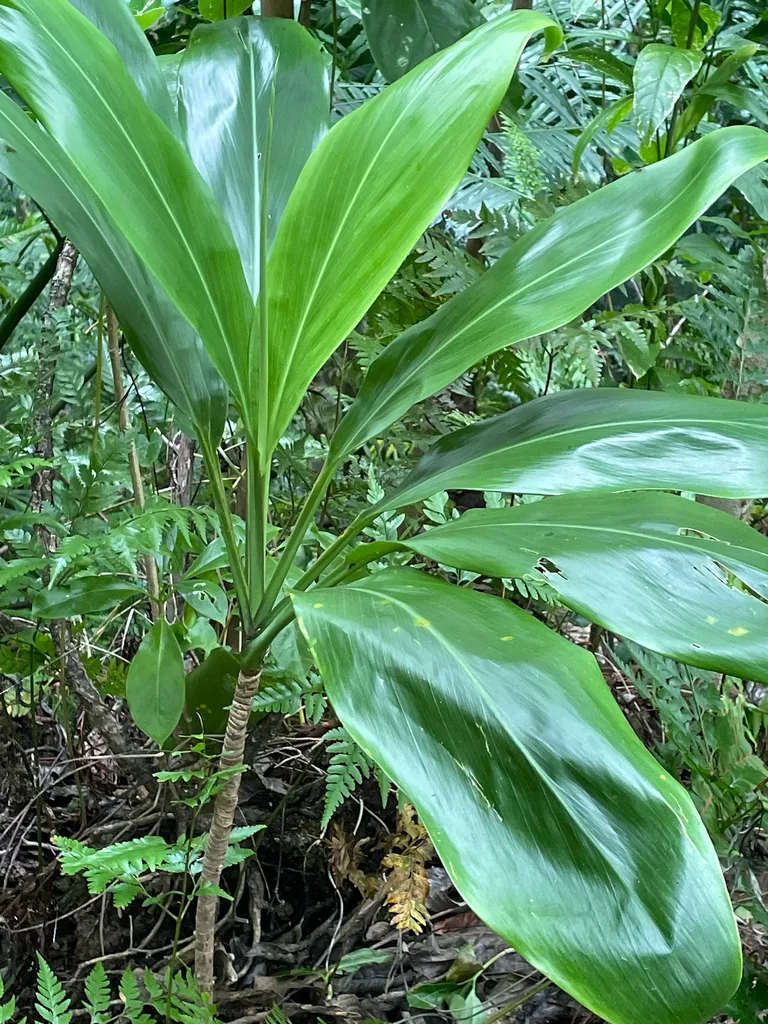
Ti plant

3. Ti plant

Cordyline fruticosa

Cordyline fruticosa is an evergreen shrub reaching up to 2-3 meters in height. It has erect stems with a tuft of sword-shaped or lanceolate leaves at the top, each 30-60 cm long. The foliage exhibits a wide range of colors, including deep g

Learn more →
Croton

4. Croton

Codiaeum variegatum

Codiaeum variegatum, commonly known as croton, is a striking evergreen shrub grown primarily for its bold, leathery leaves. The leaves come in a dazzling array of colors including green, yellow, orange, red, and purple, often with variegate

Learn more →
evergreen spindle

6. evergreen spindle

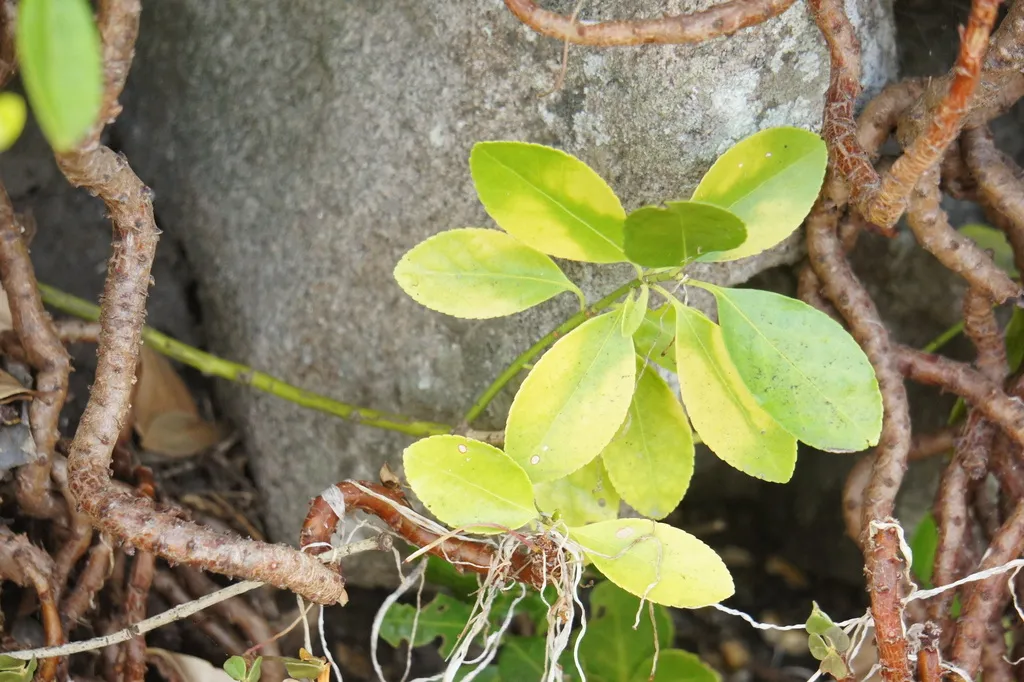
Euonymus japonicus

A bushy, medium-sized, evergreen shrub or small tree to a height of 4m, with dark green oval leaves. The flowers are small and greenish in colour; fruits are pink and orange, with a hint of white, but seldom produced

Learn more →
Kris Plant

7. Kris Plant

Alocasia sanderiana

Alocasia sanderiana, commonly known as Kris Plant, is a striking evergreen perennial with large, arrow-shaped leaves that are dark green with prominent silvery-white veins and wavy margins. The leaves are borne on upright, fleshy stems, for

Learn more →
melon

8. melon

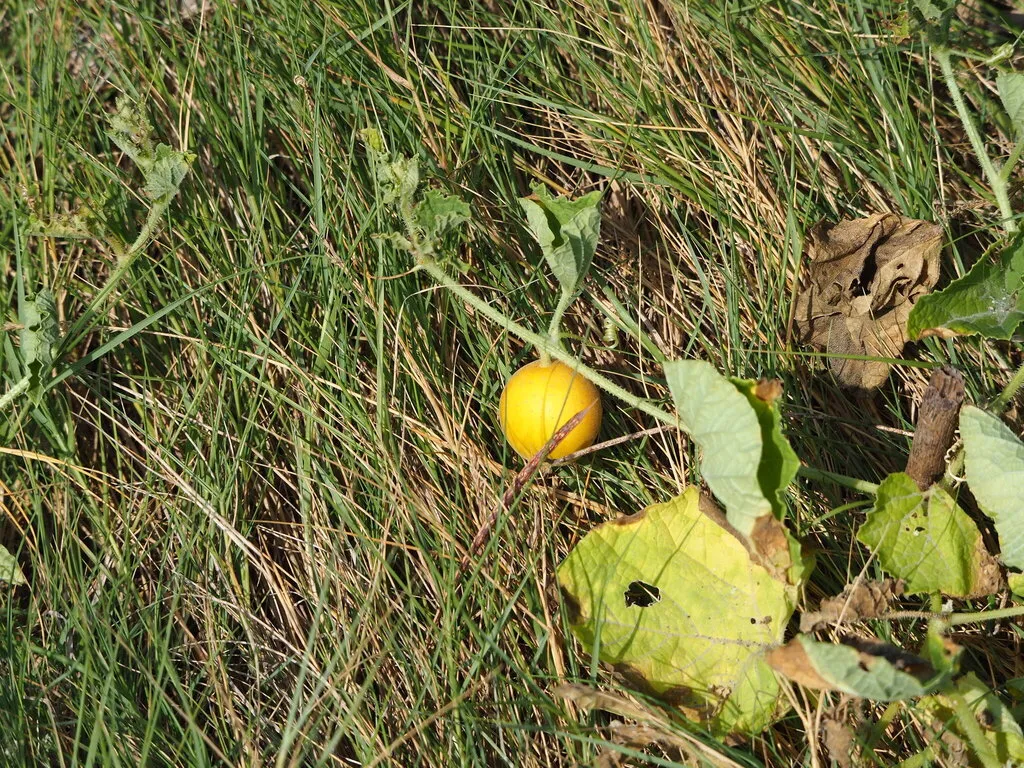
Cucumis melo

A wild species of melon from which all other cultivars have been bred. It's a deciduous annual, spreading, twining plant to 1.5 m long, with large, soflty-haired leaves and unbranching tendrils. It produces yellow separate male and female f

Learn more →
oyster plant

9. oyster plant

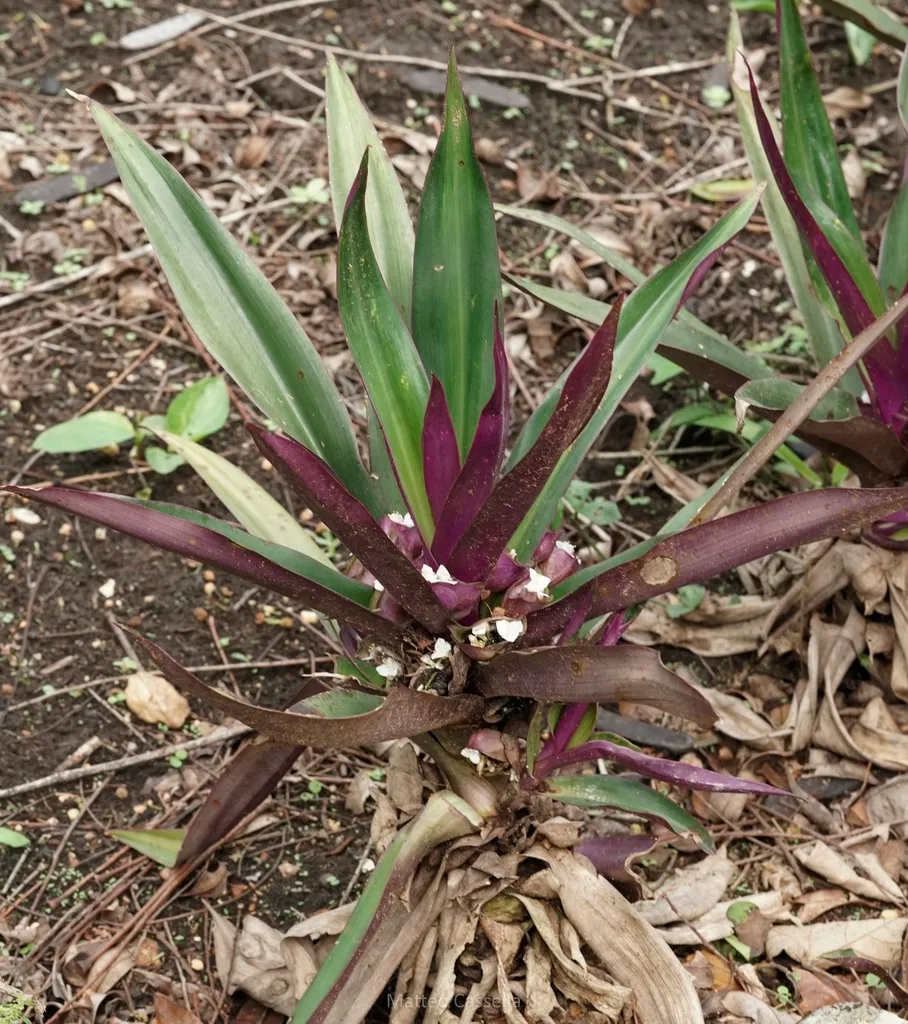
Tradescantia spathacea

An evergreen perennial to 30cm, forming a clump of rosettes of narrowly lance-shaped, dark green leaves, deep purple beneath, to 30cm in length; axillary clusters of small white flowers with leaf-like purple bracts

Learn more →
hot pepper

10. hot pepper

Capsicum frutescens

A species chilli pepper that is probably native to Central and South America producing strongly growing, upright, well branched plants bearing small, hot, typically around 2cm long fruit that is ripening from pale yellow to red

Learn more →
silver inch plant

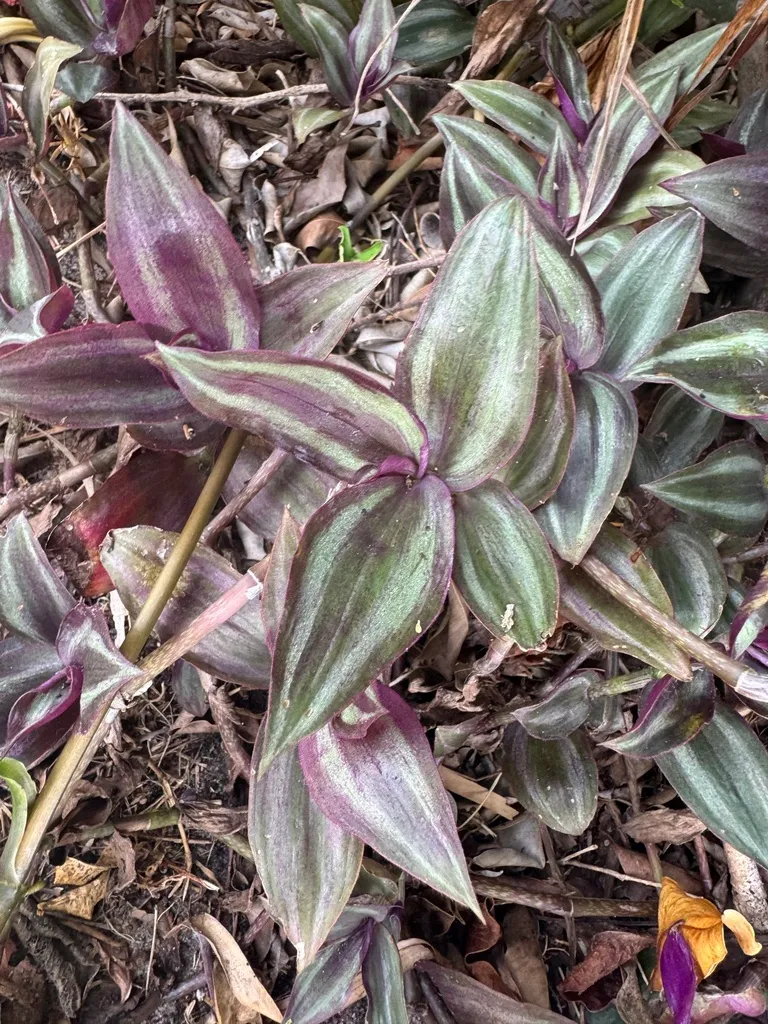
11. silver inch plant

Tradescantia zebrina

A trailing evergreen perennial to 15cm, with lance-shaped, deep bronze-green leaves with two longitudinal silvery bands above, purple beneath; rosy-purple flowers in small terminal clusters appear sporadically throughout the year

Learn more →
aubergine

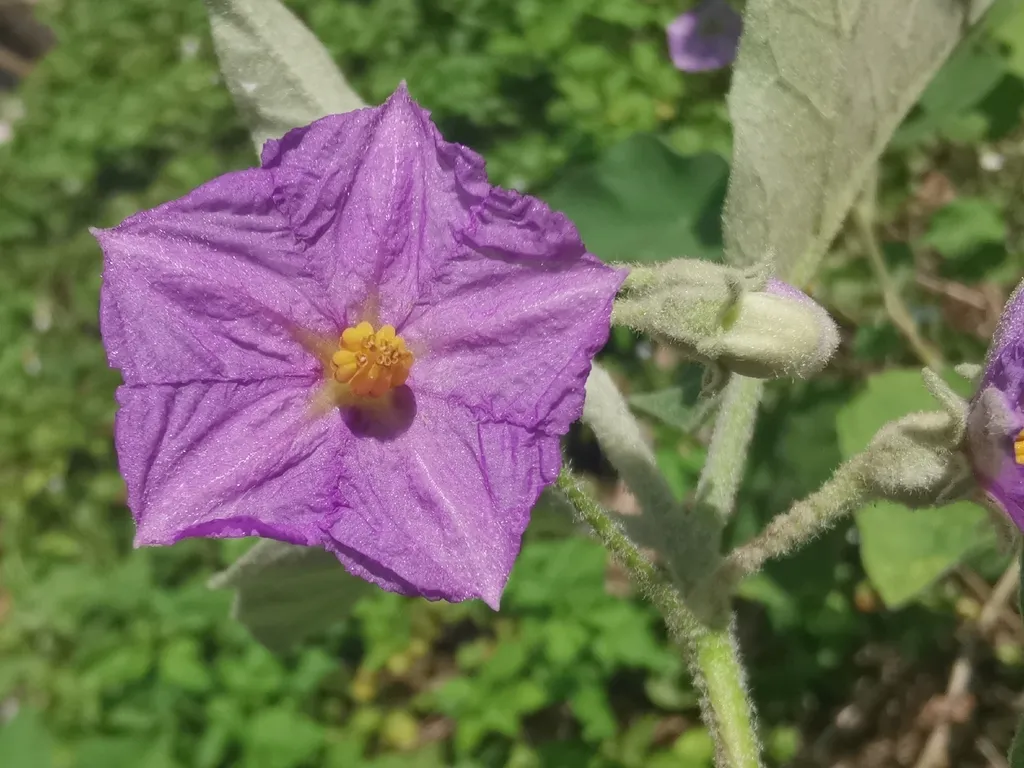
12. aubergine

Solanum melongena

This is the wild species of aubergine from which our cultivated vegetable has been bred. In the wild it is perennial, but in the UK it is treated as an annual as it isn't hardy. It has green leaves and a slightly spiny stem. The flowers ar

Learn more →
Banana

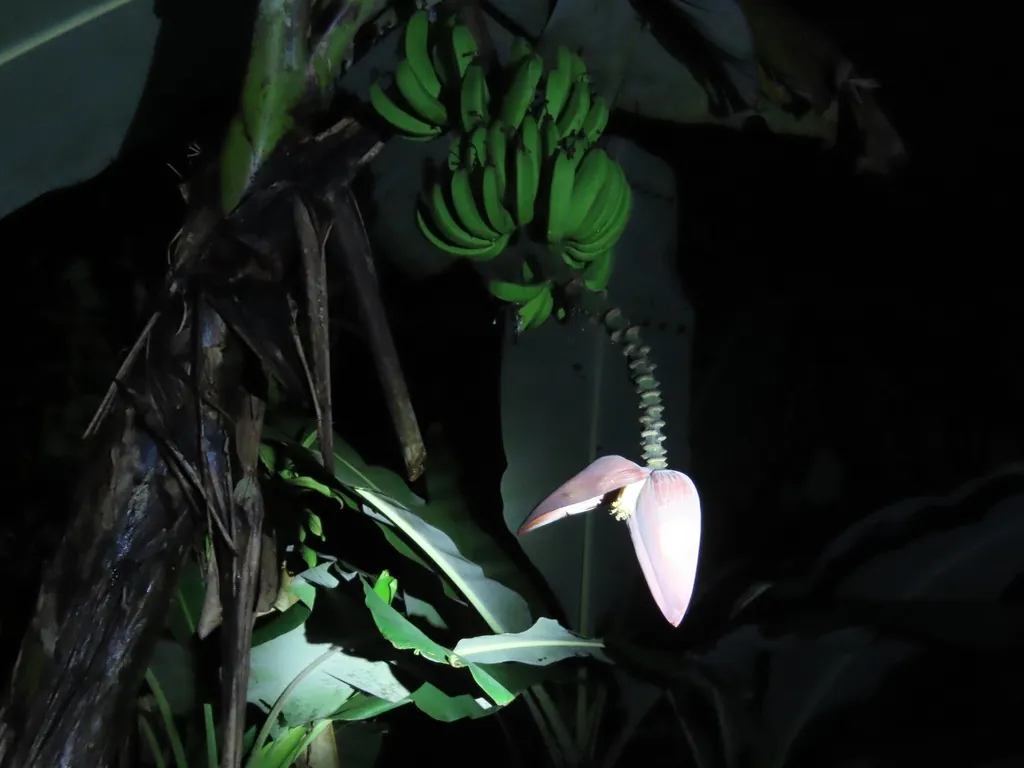
13. Banana

Musa acuminata

Musa acuminata is a large, fast-growing perennial herbaceous plant with a pseudostem formed by tightly overlapping leaf bases. It produces huge, oblong to elliptic leaves that are bright green and can reach up to 3 meters in length. The inf

Learn more →
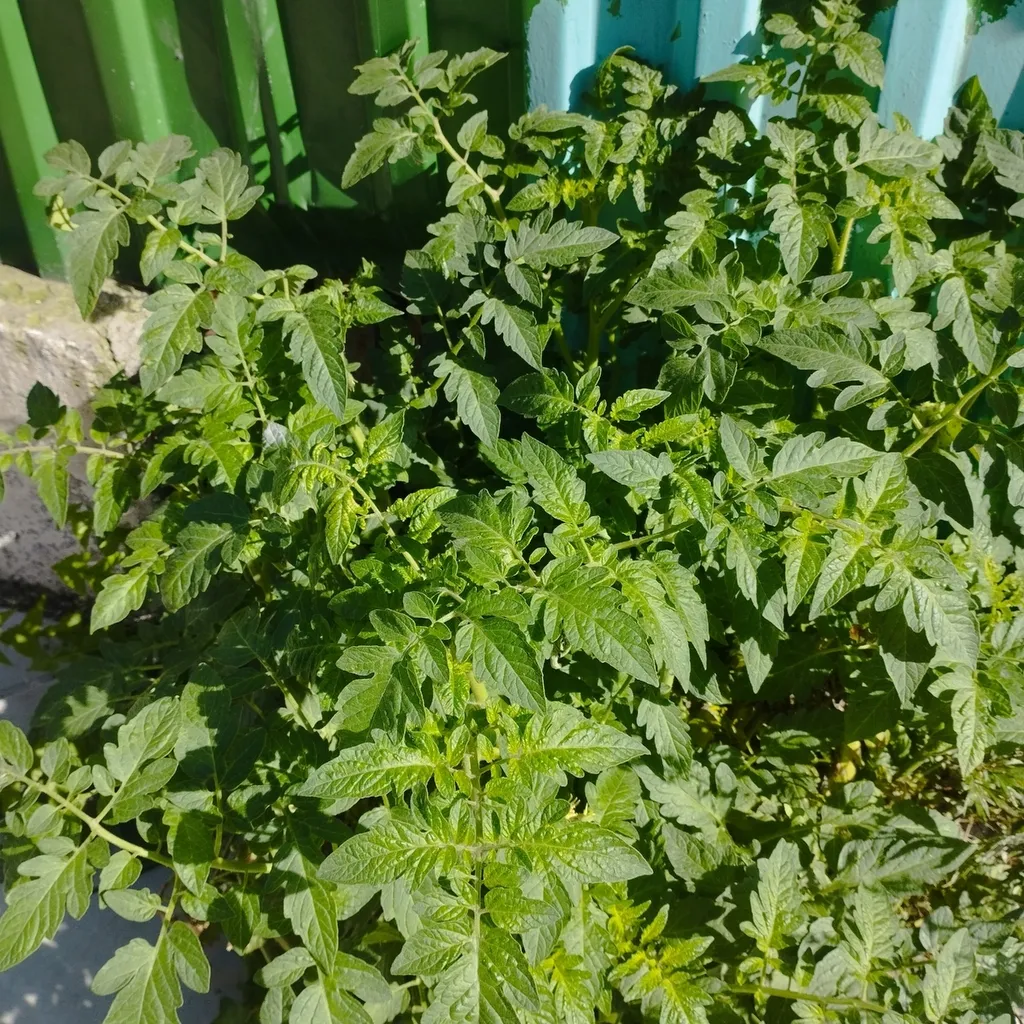
tomato

14. tomato

Solanum lycopersicum

This is the original plant from which all know varieties of tomato have been bred. The original species is quite a large, branching and climbing plant growing up to 2m tall that is perennial subshrub in its native tropical habitat. The stem

Learn more →
PlantCare

Your Ultimate Guide to Plants

Identify, grow and nurture the better way!

PlantCare plant identification and care illustration
PlantCare

Botanist in your pocket

Scan to download PlantCareDownload on the App Store

Scan the QR code with your phone camera to download the app