
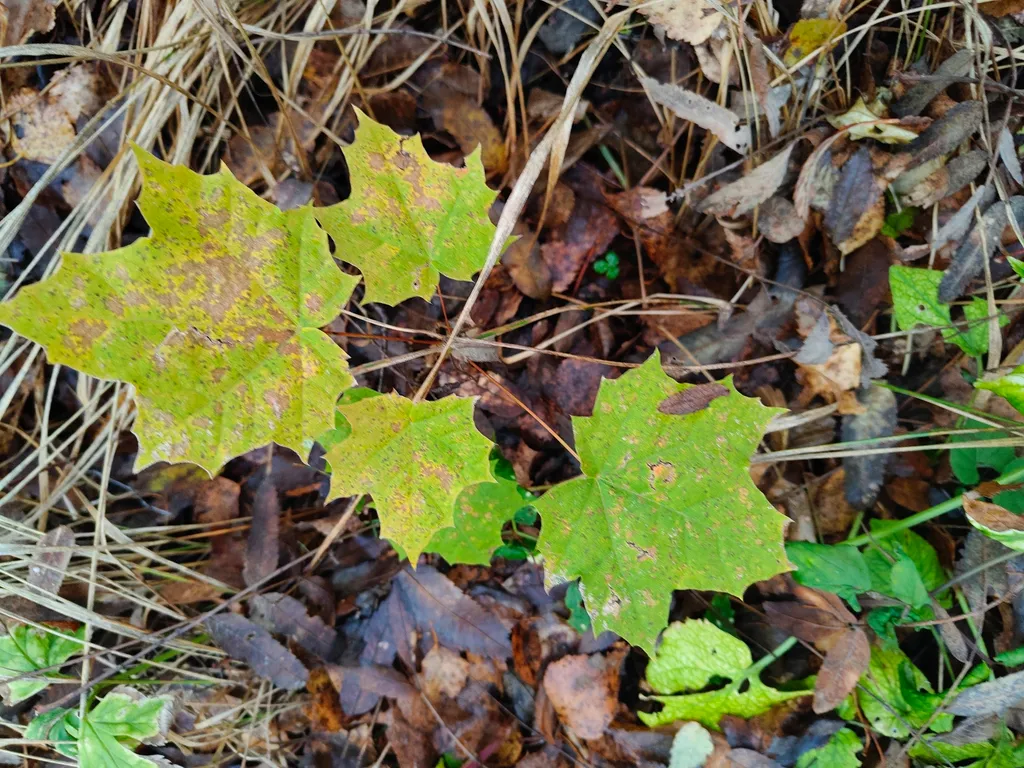
1. Norway maple
Acer platanoides
A vigorous deciduous large tree. Leaves 5-lobed, turning bright yellow, orange or brown in autumn. Scented yellow flowers in conspicuous clusters on bare branches
Learn more →Get to know 18 plants selected from New York. Discover their scientific names, identifying features and growing needs.
Acer platanoides
A vigorous deciduous large tree. Leaves 5-lobed, turning bright yellow, orange or brown in autumn. Scented yellow flowers in conspicuous clusters on bare branches
Learn more →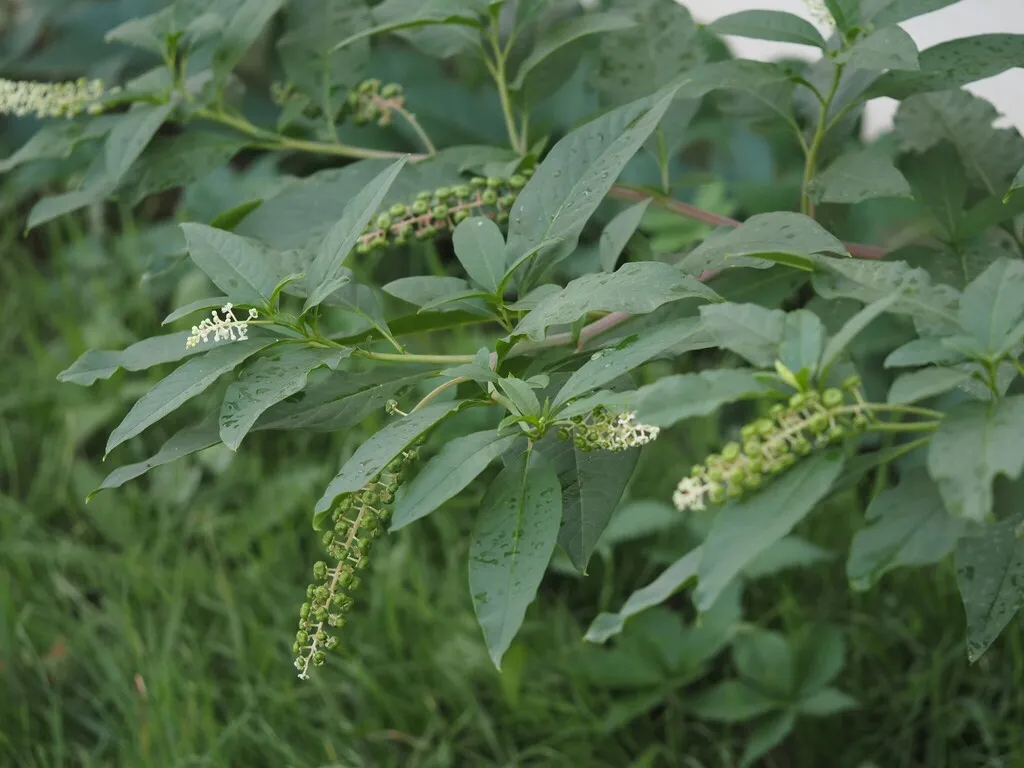
Phytolacca americana
P. americana is an upright herbaceous perennial with oval or lance-shaped mid-green leaves, tinged with purple in autumn. White-pink flowers appear in racemes from mid-summer to early autumn, followed by crimson-black berries in autumn
Learn more →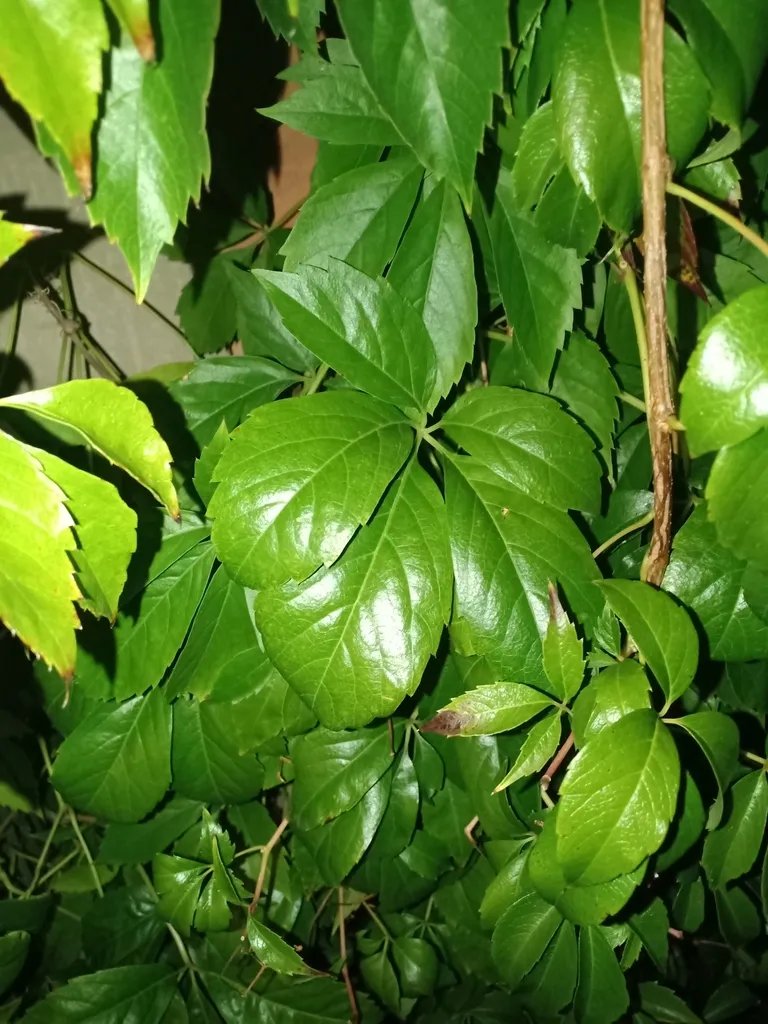
Parthenocissus quinquefolia
P. quinquefolia is a vigorous large deciduous climber. Leaves with five ovate leaflets, turning bright red and orange in autumn. Flowers inconspicuous; berries blue-black
Learn more →
Epipremnum aureum
An evergreen self-clinging climber to 4m or more, with glossy bright green ovate leaves spotted and streaked with cream or yellow; green flowering spathes appear only rarely in cultivation
Learn more →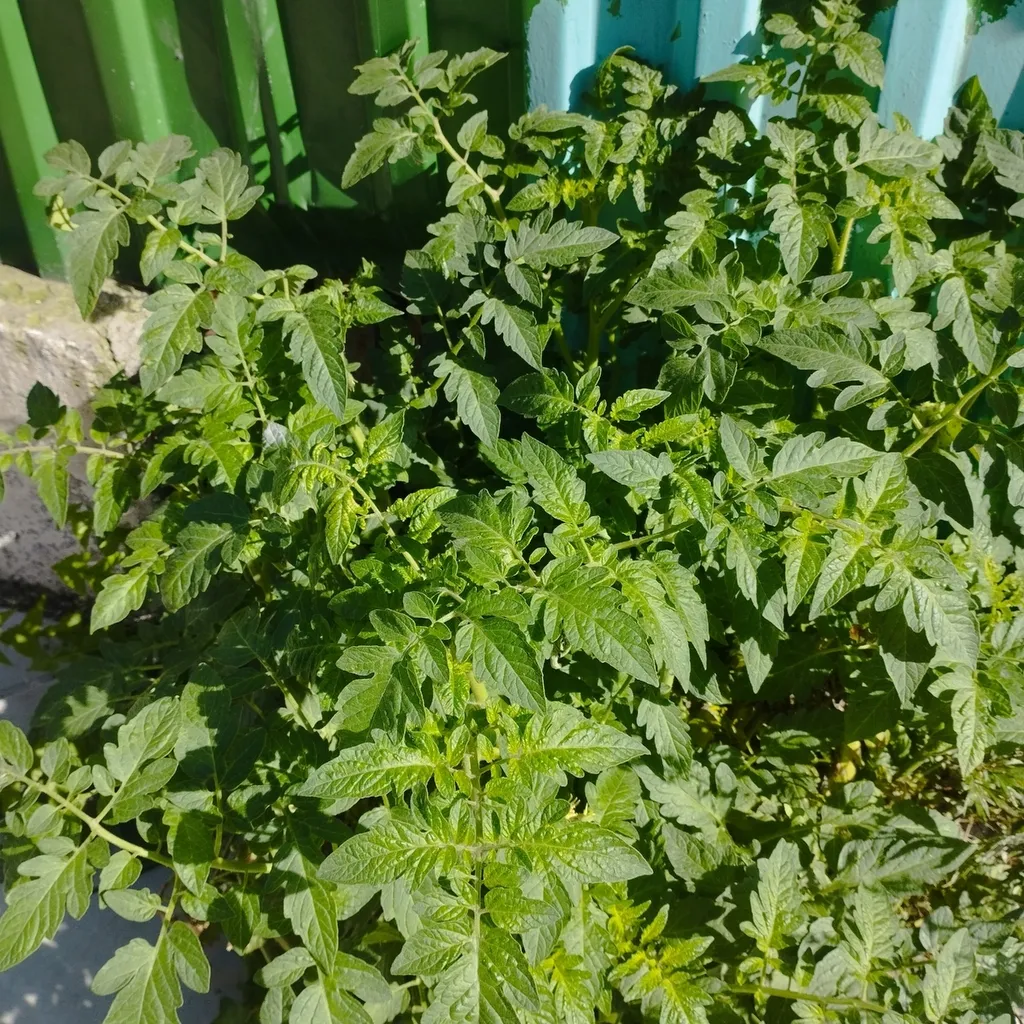
Solanum lycopersicum
This is the original plant from which all know varieties of tomato have been bred. The original species is quite a large, branching and climbing plant growing up to 2m tall that is perennial subshrub in its native tropical habitat. The stem
Learn more →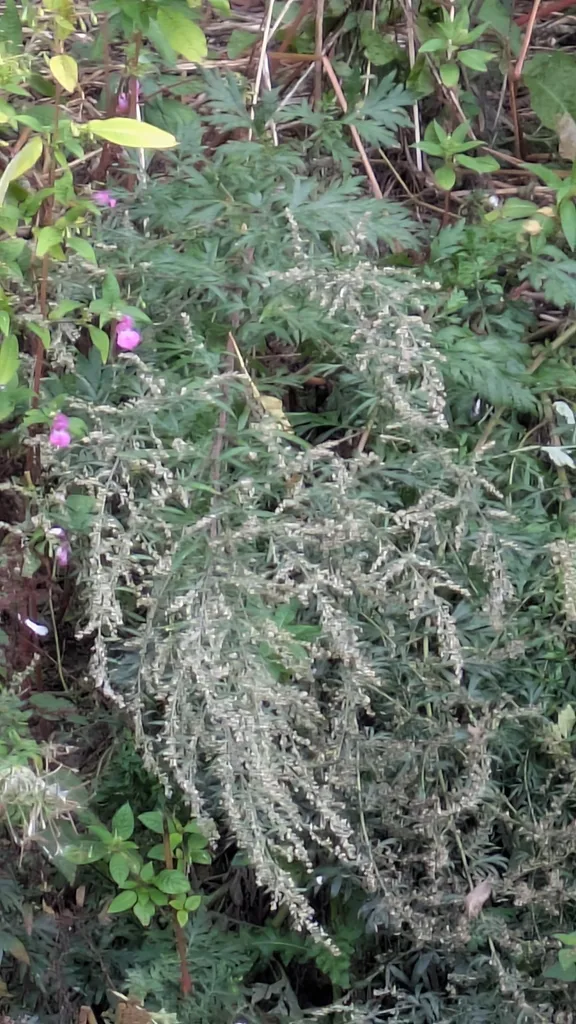
Artemisia vulgaris
An upright, rhizomatous, herbaceous perennial growing up to 2.5m tall with aromatic, petiolate, deeply lobed, deep green leaves. Creamy-yellow flowers appear in late Summer as dense, leafy panicles. A well known medicinal plant with edible,
Learn more →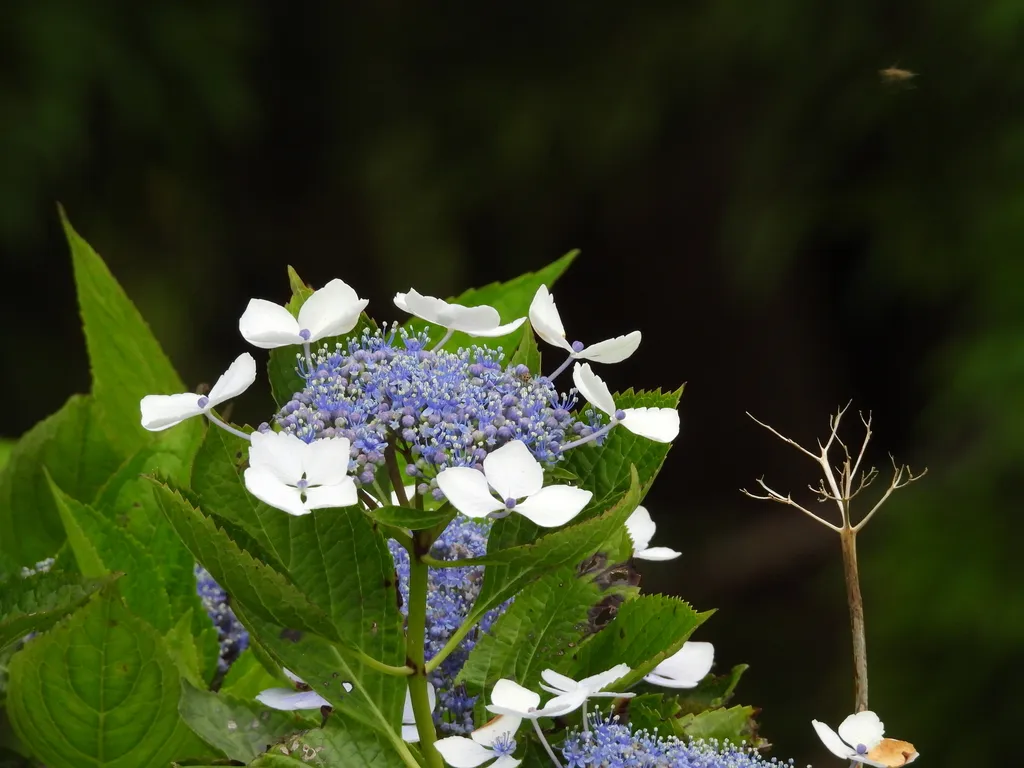
Hydrangea macrophylla
A large, rounded, deciduous shrub with rather coarse, oval, dark green leaves to 20cm long. In mid- and late summer produces large, flattened flowerheads consisting of a few sterile, pink florets with large petals and many small, fertile, b
Learn more →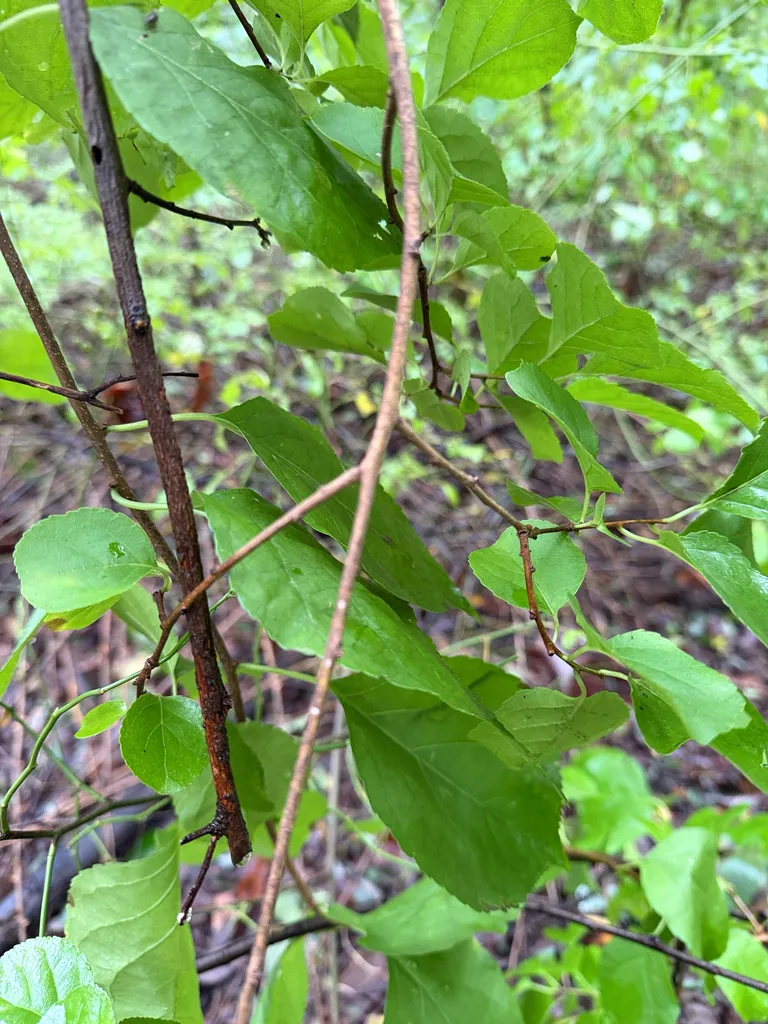
Celastrus orbiculatus
A strong-growing deciduous climber with rounded leaves, colouring butter-yellow in autumn, and inconspicuous greenish flowers followed by yellow fruits which may split to show scarlet seeds. A hermaphrodite form is available, so fruit can a
Learn more →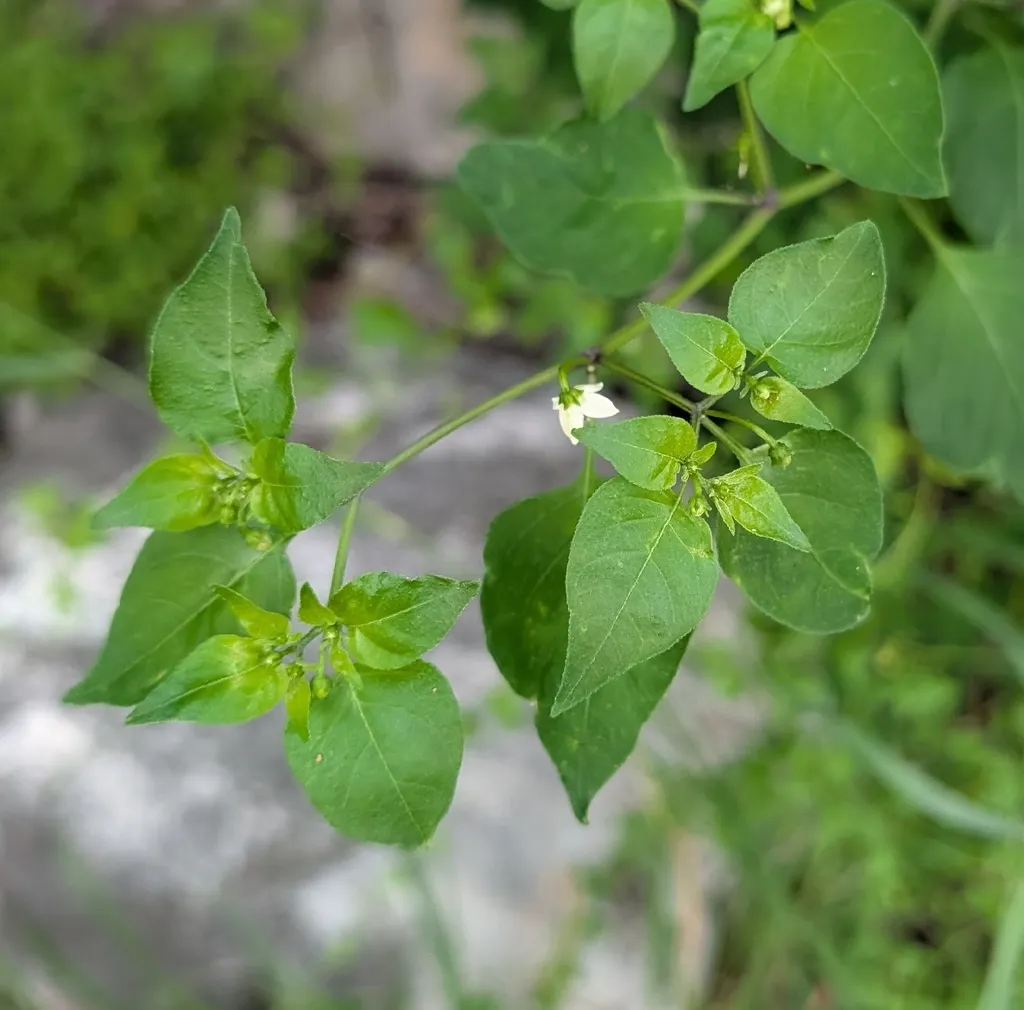
Capsicum annuum
This is the wild plant from which many of our cultivated sweet peppers and chillies have been bred. It shows a wide range of fruit shapes, colours, sizes and degree of capsaicin production - from where the heat may or may not be felt. It ha
Learn more →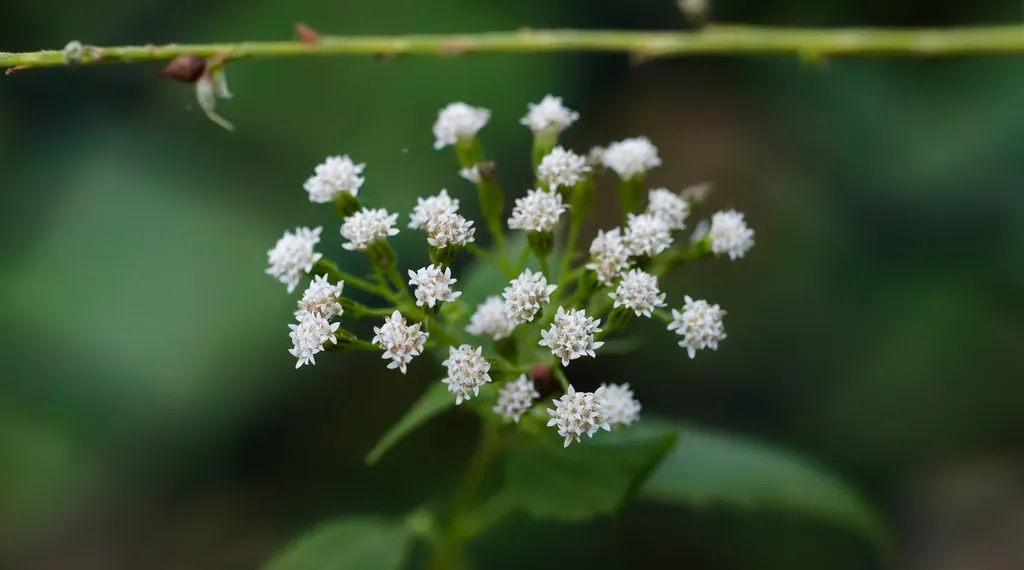
Ageratina altissima
A tall herbaceous perennial to about 1.7m with brown stems and grey-green, nettle like leaves. Umbel-like clusters of small, white, long-lived flowers appear in summer and early autumn
Learn more →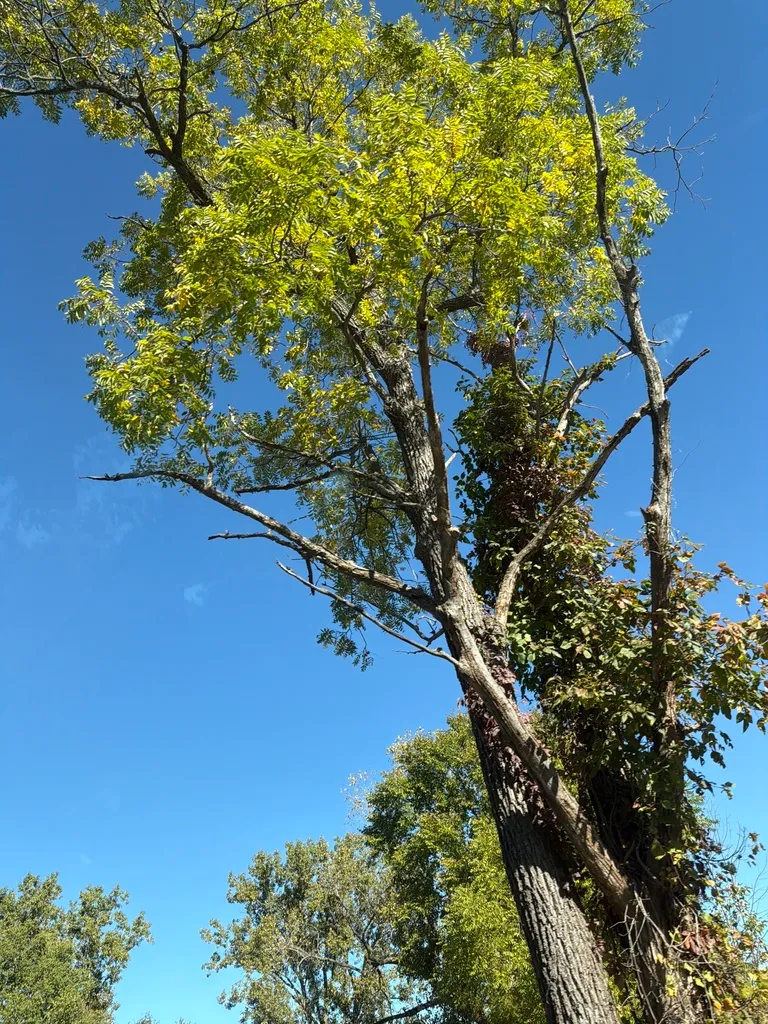
Gleditsia triacanthos
A large, elegant, deciduous tree to a height of 30m or more. The trunk and stems are spiny - some of these spines are up to 15cm long. The leaves are made up of many oval-shaped tiny, dark green leaflets, which turn yellow in autumn. Small-
Learn more →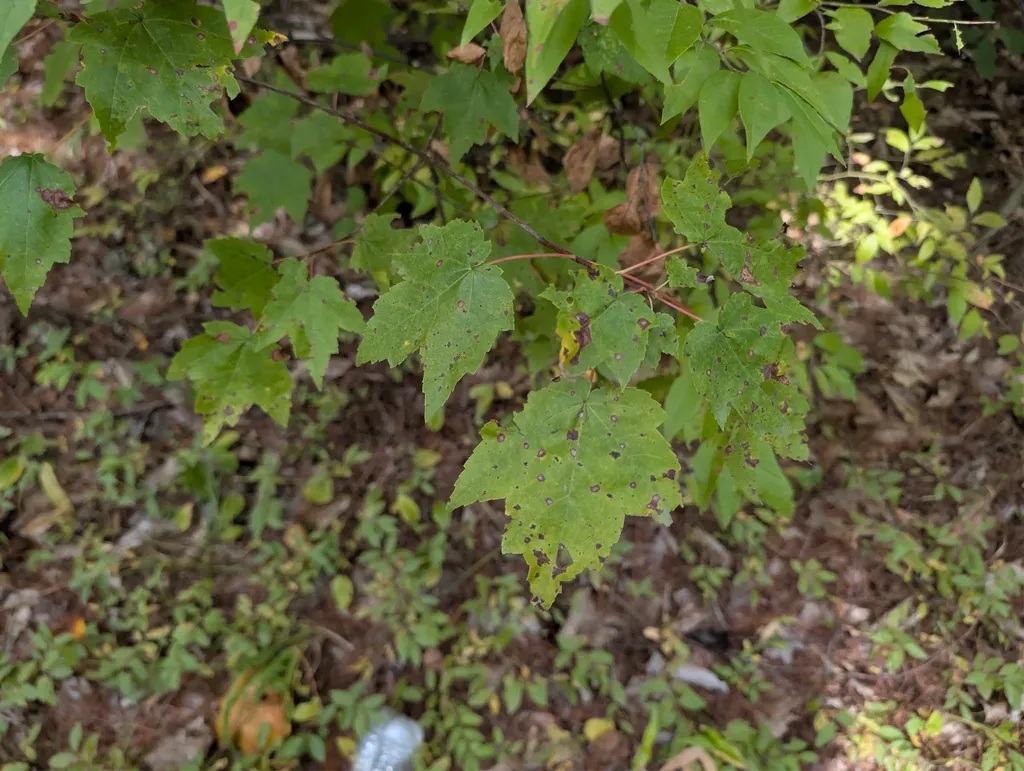
Acer rubrum
A round-headed tree growing up to 30m tall. In spring, tiny red flowers are borne in erect clusters before the appearance of dark green leaves with whitish undersides. The leaves turn bright red in autumn
Learn more →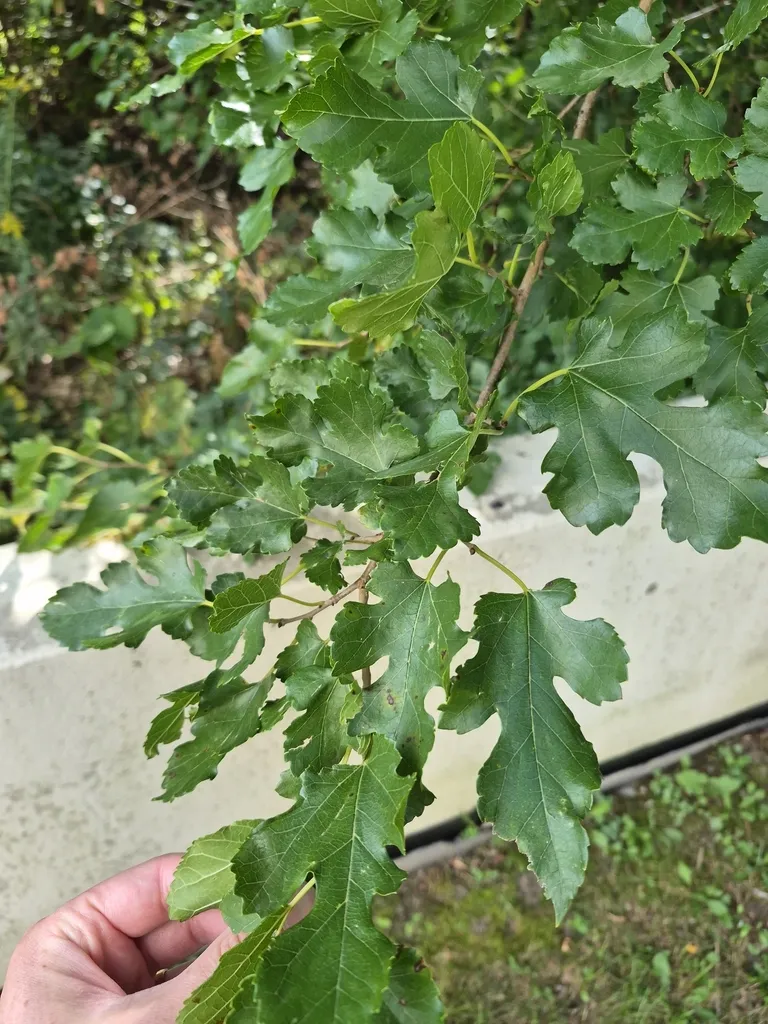
Morus alba
A small to mid-sized deciduous tree, with a spreading habit and ovate to heart-shaped, glossy, toothed green leaves, turning pale yellow in autumn. Pale green catkins are produced in late spring and early summer, followed by edible, raspber
Learn more →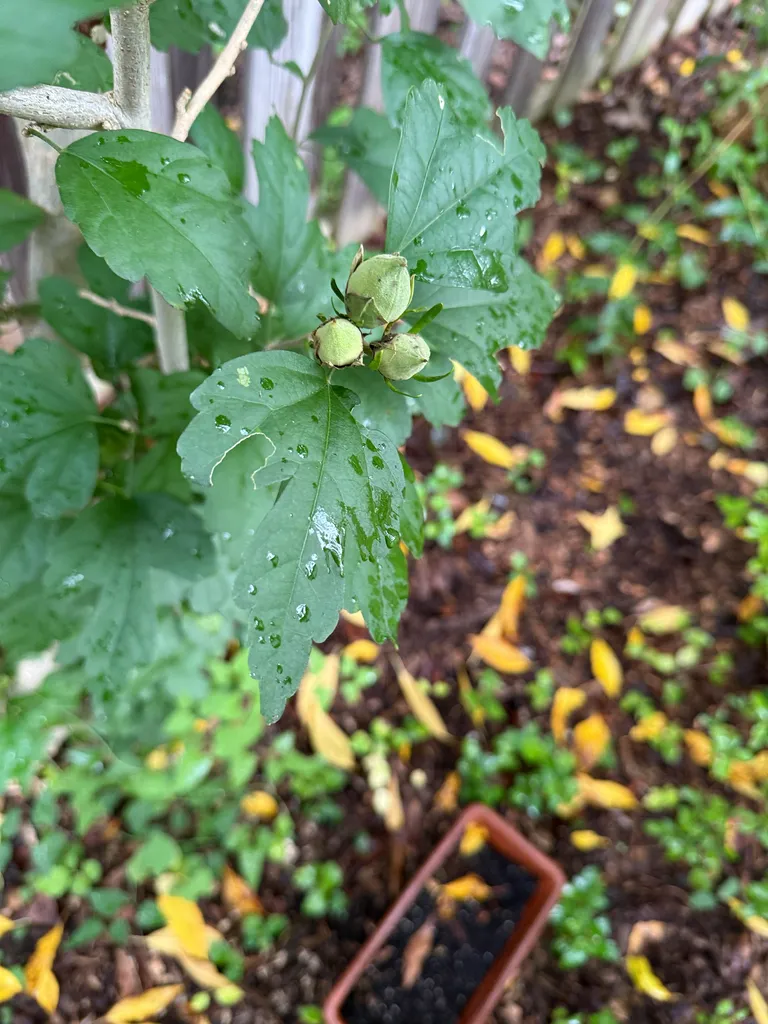
Hibiscus syriacus
A medium to large, deciduous shrub up to 4m tall with an upright habit. Lobed leaves appear in late spring and large, trumpet-shaped flowers in shades of pink, red, blue and white with conspicuous protruding tubes of stamens open in success
Learn more →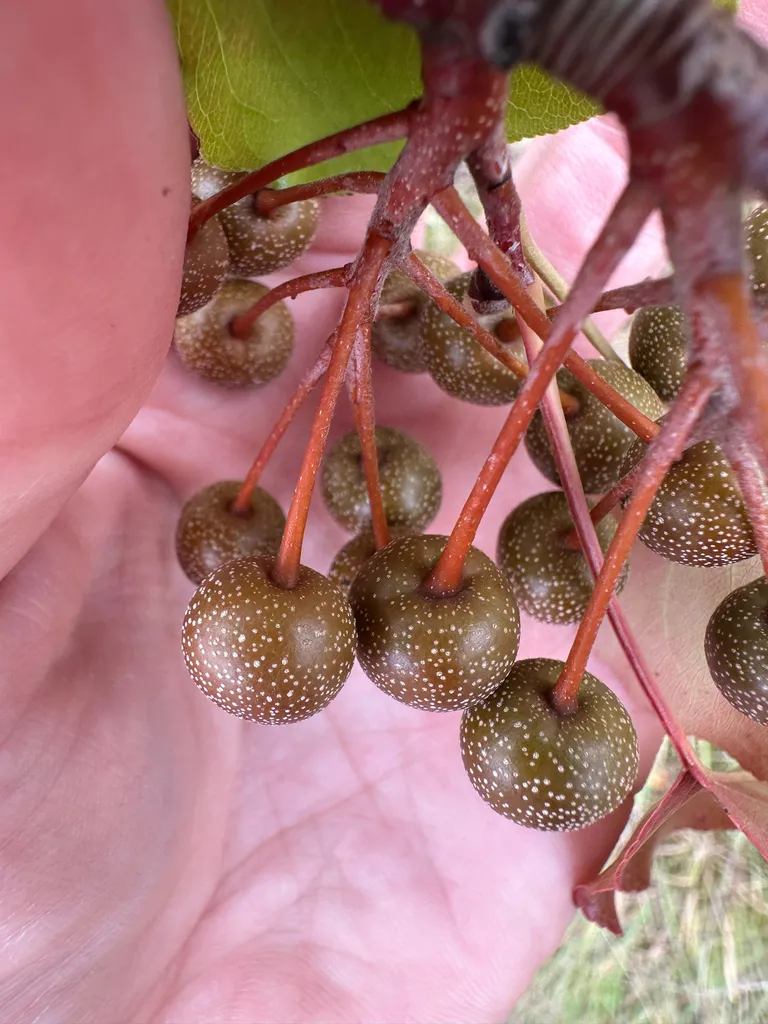
Pyrus calleryana
A broadly conical, often very thorny, deciduous tree up to 15m high, with oval, glossy, dark green leaves turning red in late autumn. Clusters of pure white blossom open in early to mid-spring, before the leaves, followed in autumn by small
Learn more →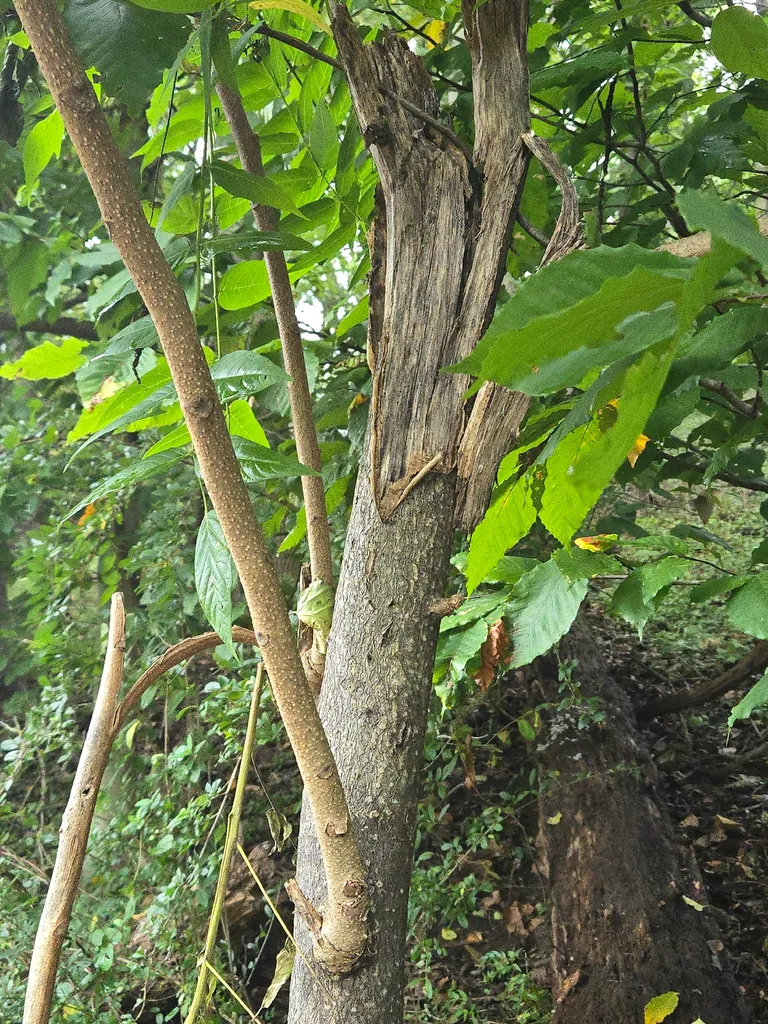
Ailanthus altissima
This plant is listed on Schedule 9 of The Wildlife (Northern Ireland) Order (1985), as amended, as an invasive non-native species and is banned from sale. See cultivation notes for further details\r\n\r\nA spreading tree, often suckering,
Learn more →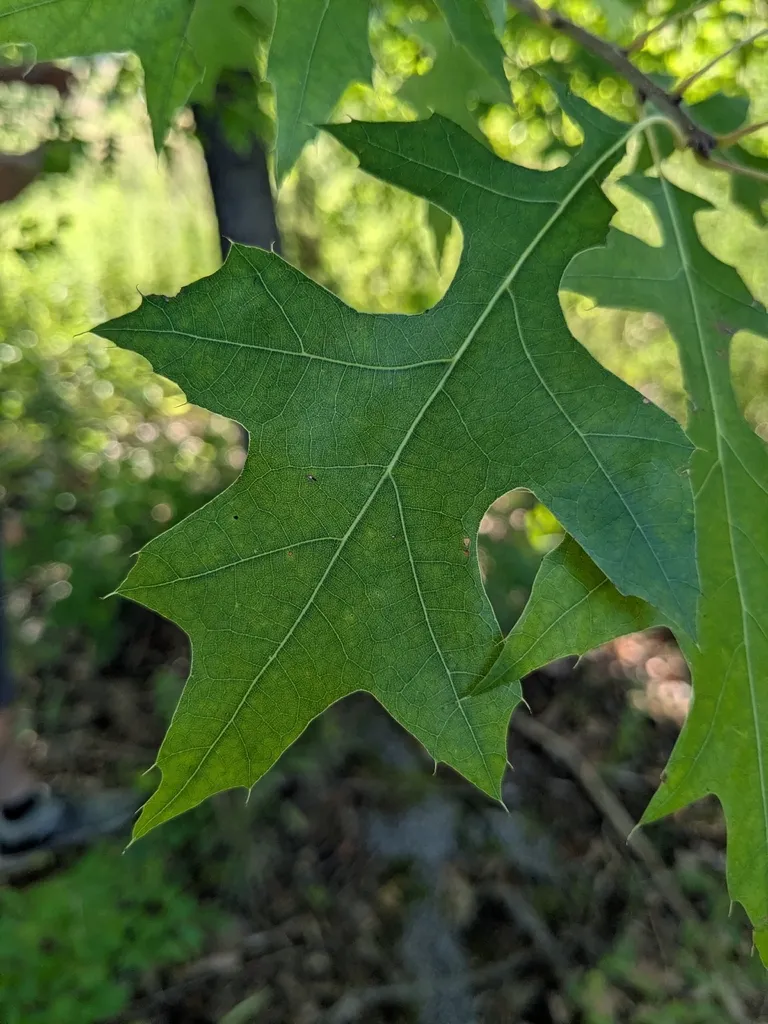
Quercus palustris
Q. palustris is a strong-growing large deciduous tree with a dense, slightly pendulous crown. Deeply lobed eaves to 15cm, with whisker-tipped teeth, turn reddish-brown or bright crimson in autumn
Learn more →Erigeron canadensis
Horseweed is an erect, freely branching annual or biennial herb, usually 30–150 cm tall, with a slender taproot and a bristly stem. Basal leaves are oblanceolate and toothed, soon withering; stem leaves are narrow, lanceolate to linear and
Learn more →