

1. golden pothos
Epipremnum aureum
An evergreen self-clinging climber to 4m or more, with glossy bright green ovate leaves spotted and streaked with cream or yellow; green flowering spathes appear only rarely in cultivation
Learn more →Get to know 15 plants selected from Al Kufrah. Discover their scientific names, identifying features and growing needs.
Epipremnum aureum
An evergreen self-clinging climber to 4m or more, with glossy bright green ovate leaves spotted and streaked with cream or yellow; green flowering spathes appear only rarely in cultivation
Learn more →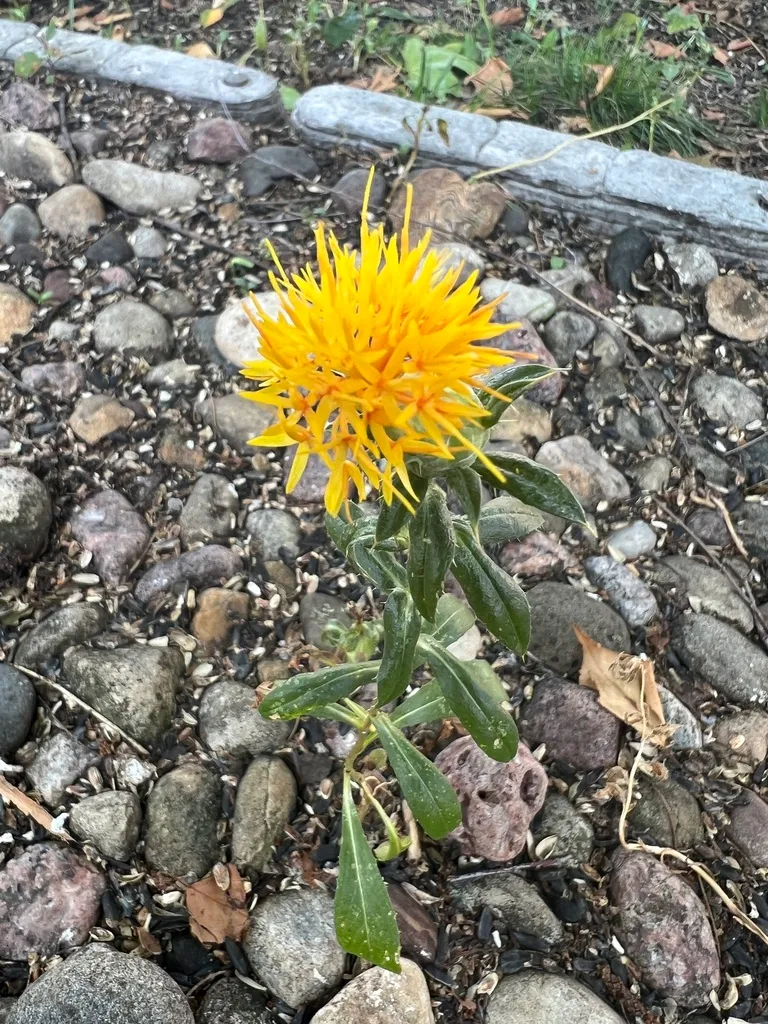
Carthamus tinctorius
An erect, branching annual to 60cm, with spiny leaves and vivid orange or yellow, thistle-like flower-heads with prominent green bracts
Learn more →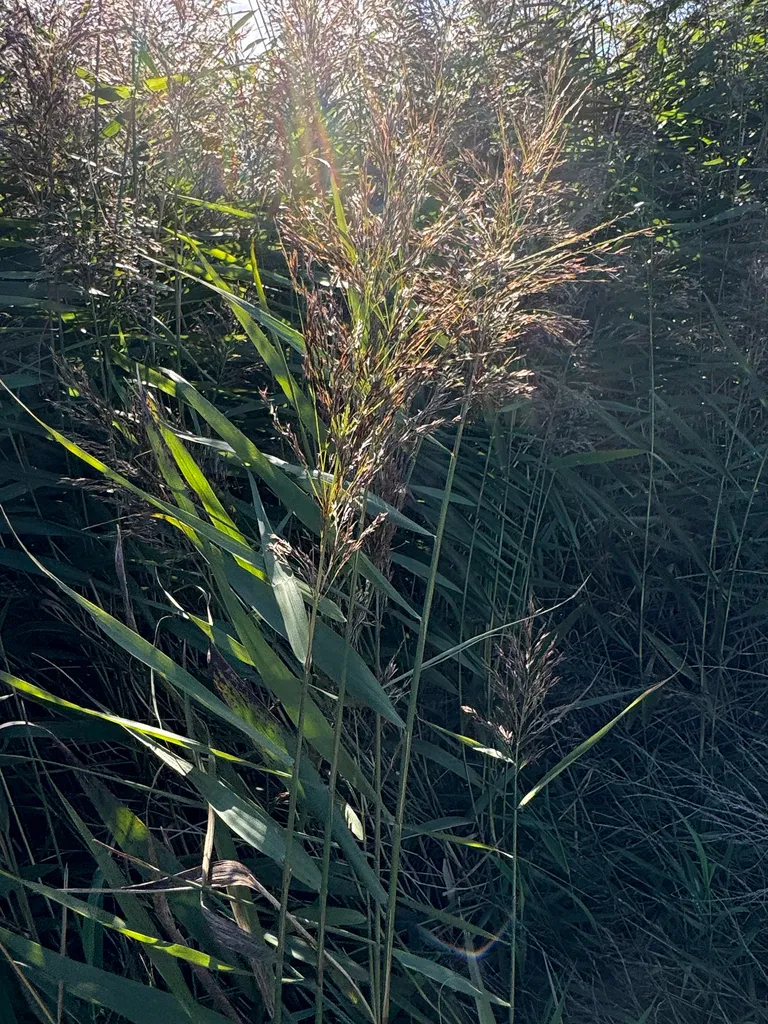
Phragmites australis
P. australis is a vigorous reed grass to 3m in height, spreading by rhizomes and forming an extensive colony of erect, leafy, robust stems with drooping linear leaves which turn light brown in autumn, and terminal dark purple flowering pani
Learn more →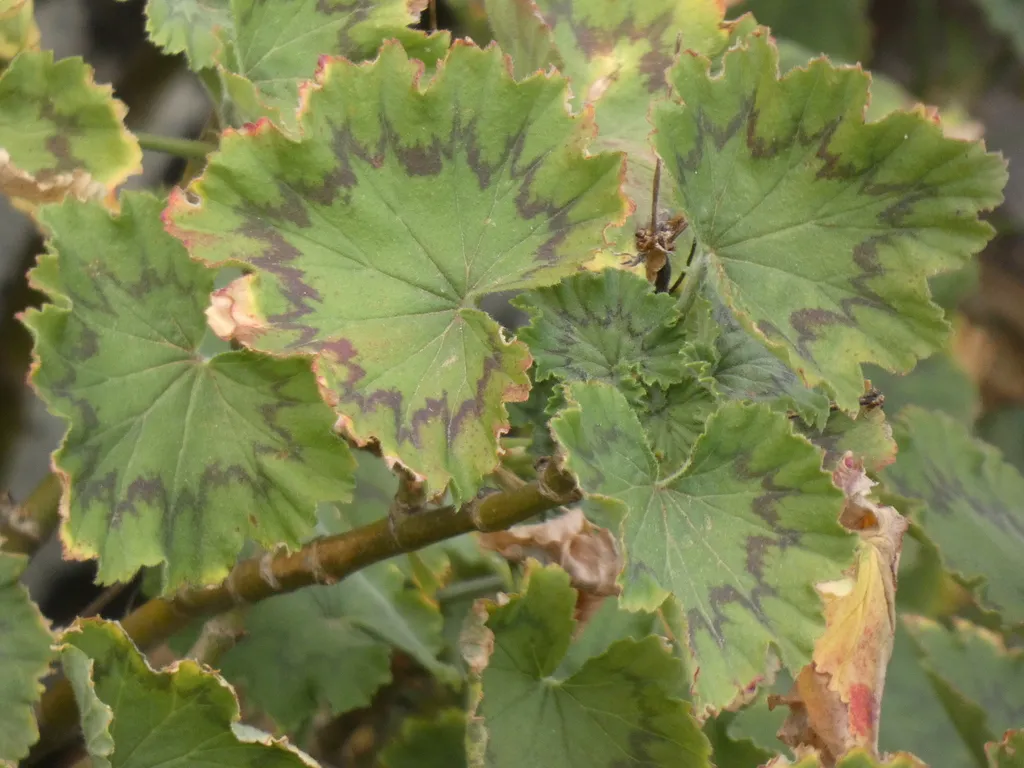
Pelargonium zonale
One parent of most zonal pelargoniums, P. zonale is an erect, bushy plant with fleshy stems turning woody with age and smooth, rounded, mid-green leaves with a narrow, dark green zone. Generally grows up to 1m but up to 3m against a wall un
Learn more →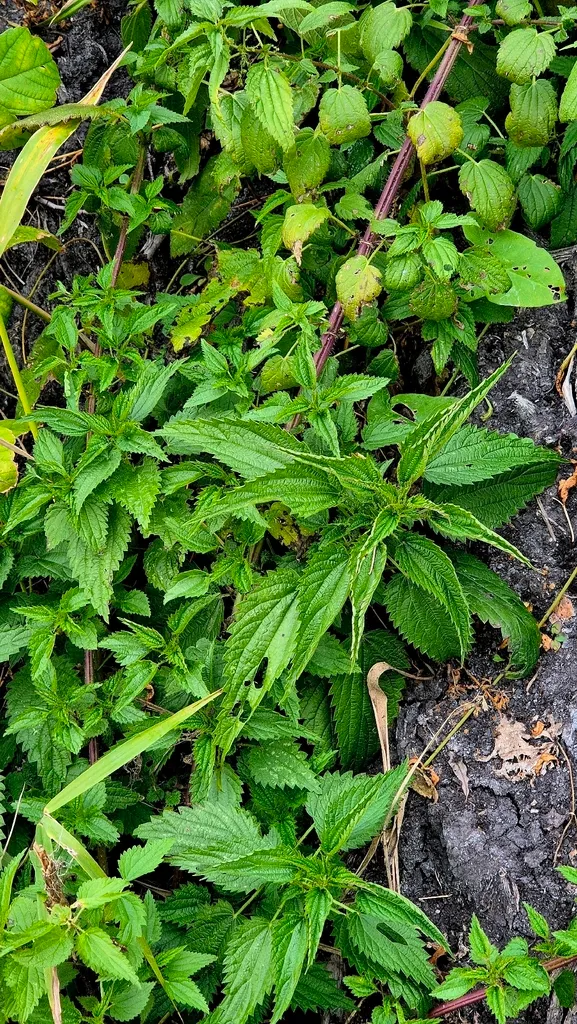
Urtica dioica
A herbaceous perennial with spreading roots and creeping horizontal stems able to form large, patches of upright stems, to 1.5m tall, with dark green foliage. Leaves and stems are covered in stinging and non-stinging hairs. Cream or brownis
Learn more →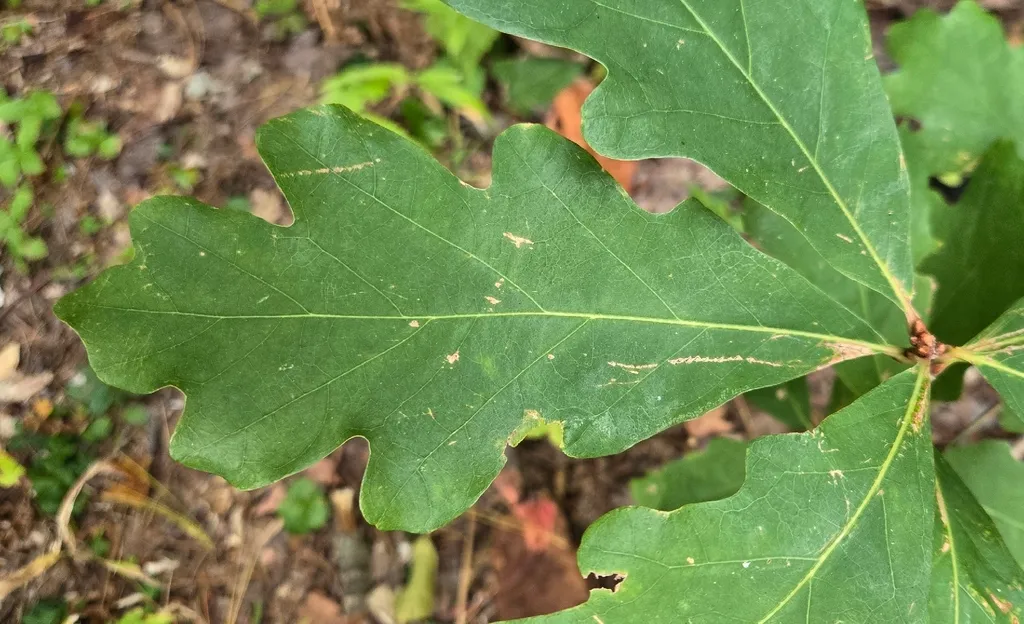
Quercus alba
A large, vigorous deciduous tree with a pyramidal shape when young developing into a wider tree with a more rounded crown as it matures. Bark is greyish-white and yellow-green insignificant catkins appear in spring prior to the foliage. Fo
Learn more →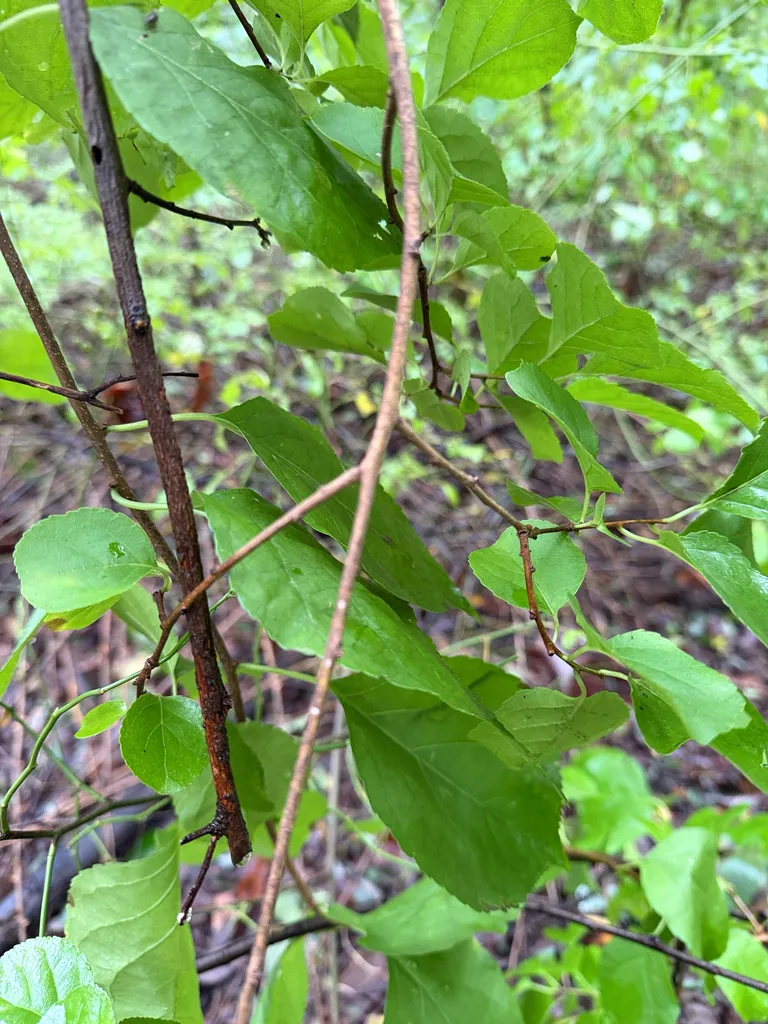
Celastrus orbiculatus
A strong-growing deciduous climber with rounded leaves, colouring butter-yellow in autumn, and inconspicuous greenish flowers followed by yellow fruits which may split to show scarlet seeds. A hermaphrodite form is available, so fruit can a
Learn more →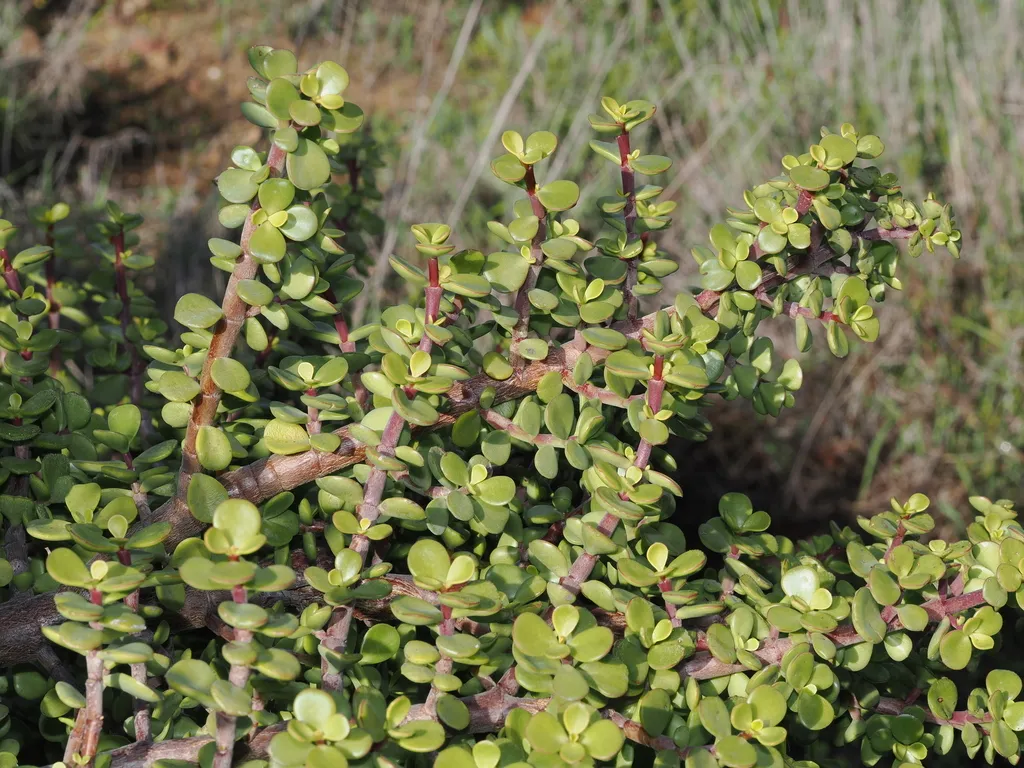
Portulacaria afra
A slow-growing, evergreen succulent shrub with small, fleshy, glossy green leaves. Mature stems have greyish bark and young stems are often flushed with red. Clusters of tiny, saucer-shaped pale pink flowers are produced at the tips of the
Learn more →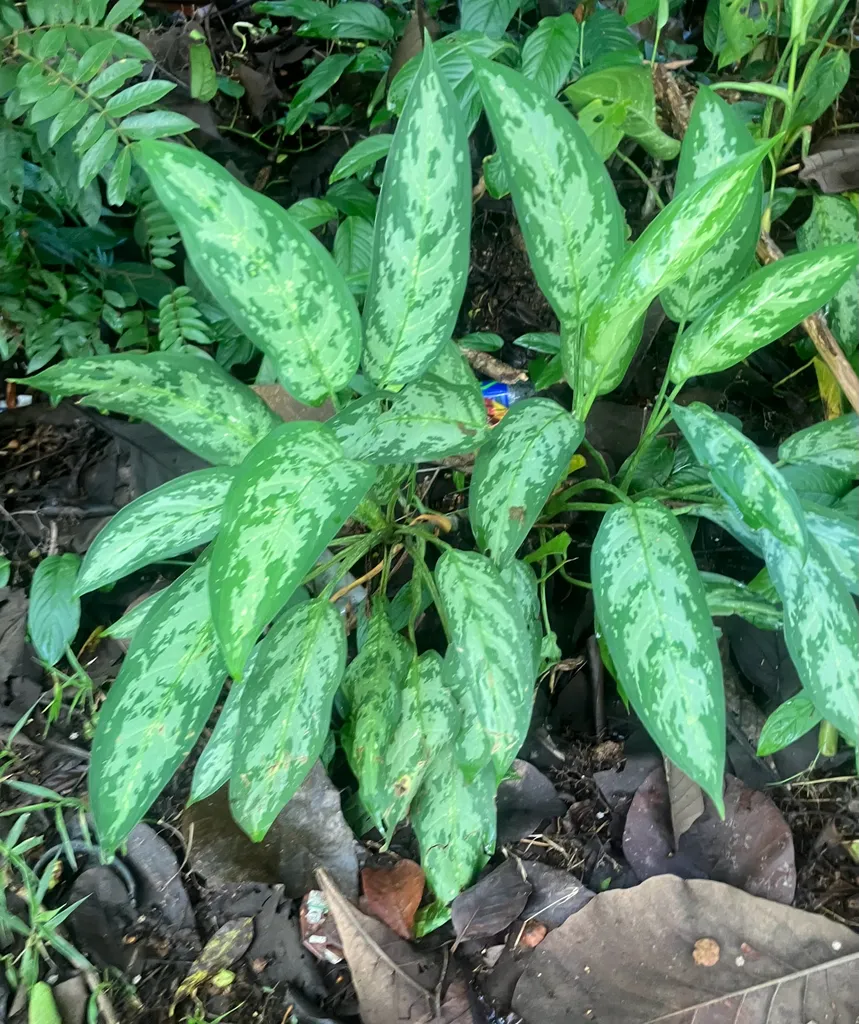
Aglaonema commutatum
Aglaonema commutatum is a clump-forming evergreen perennial with elliptic to lance-shaped leaves, often variegated with silvery-grey markings. It produces small, inconspicuous flowers similar to arum lilies. The plant typically grows 0.3–0.
Learn more →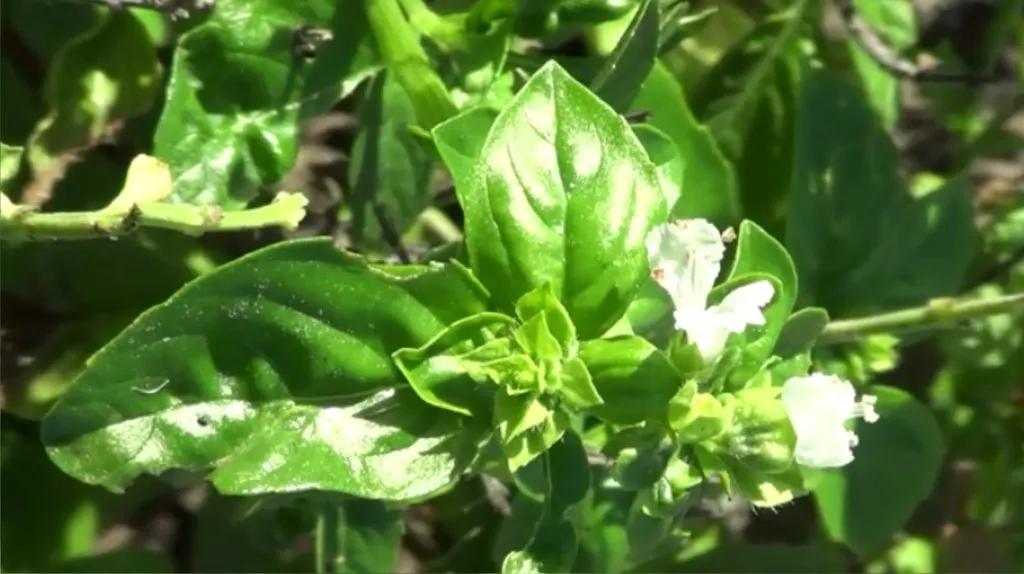
Ocimum basilicum
An aromatic tender annual or short-lived perennial, 30-60cm tall and 30cm wide, with bright green, elliptic leaves approximately 5cm long and 2-3cm wide. Many different cultivars available, varying in size and colour. Small, tubular white o
Learn more →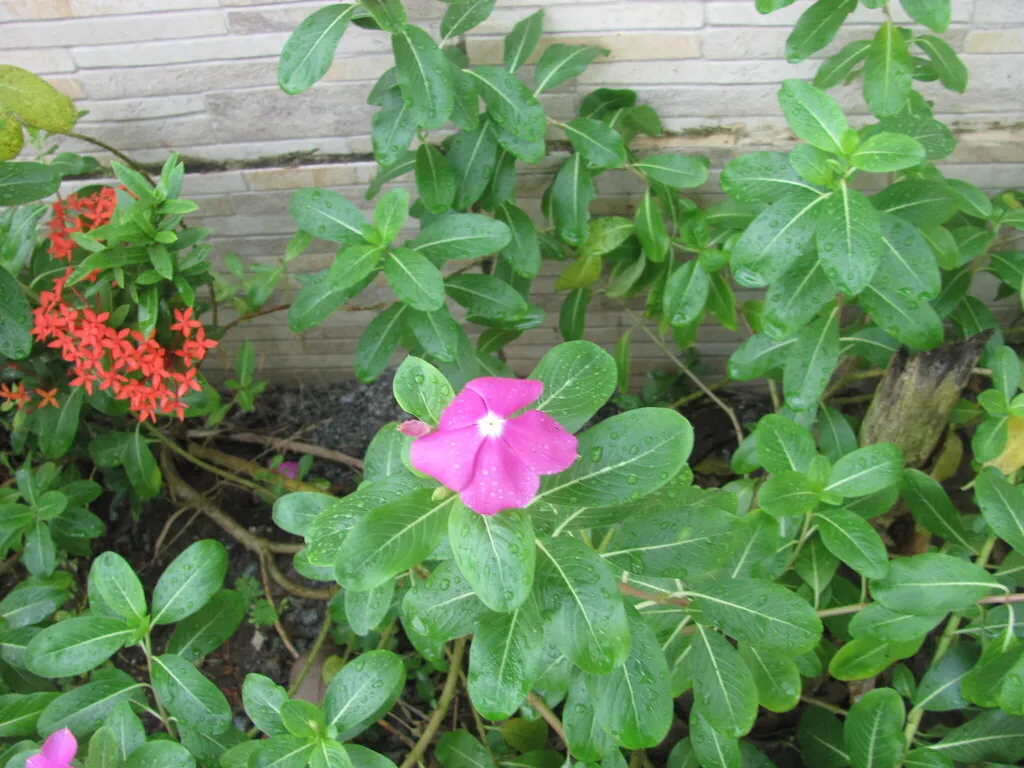
Catharanthus roseus
A woody-based evergreen perennial, to 45cm in height, with somewhat fleshy stems bearing ovate leaves and 5-petalled flowers, to 4cm across, pink, red or white in colour
Learn more →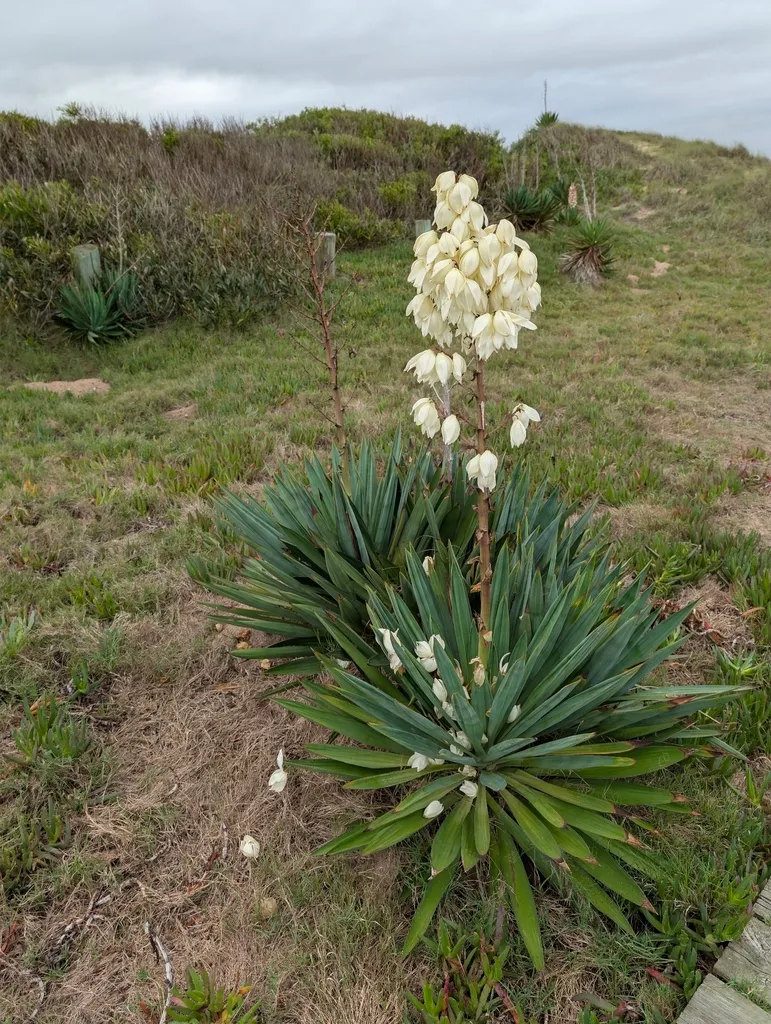
Yucca gloriosa
a medium-sized evergreen shrub with usually a single stem, topped by a cluster of spine-tipped, stiff, glaucous-green leaves to 60cm in length. Panicles to 2m in height, of nodding, bell-shaped cream flowers in late summer
Learn more →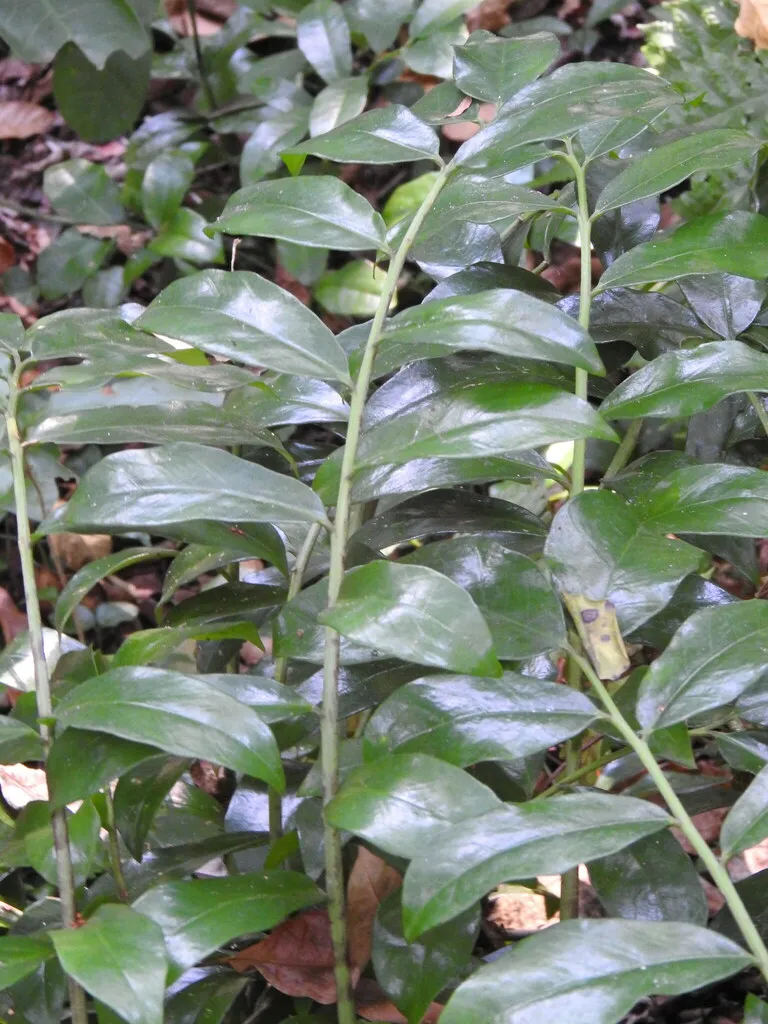
Zamioculcas zamiifolia
an evergreen, rhizomatous perennial. The smooth, shiny leaves, 40-60cm long, arise directly from the ground, and have six to eight pairs of leaflets. One or two green and white, arum-like flowers may appear among the leaf bases in summer, f
Learn more →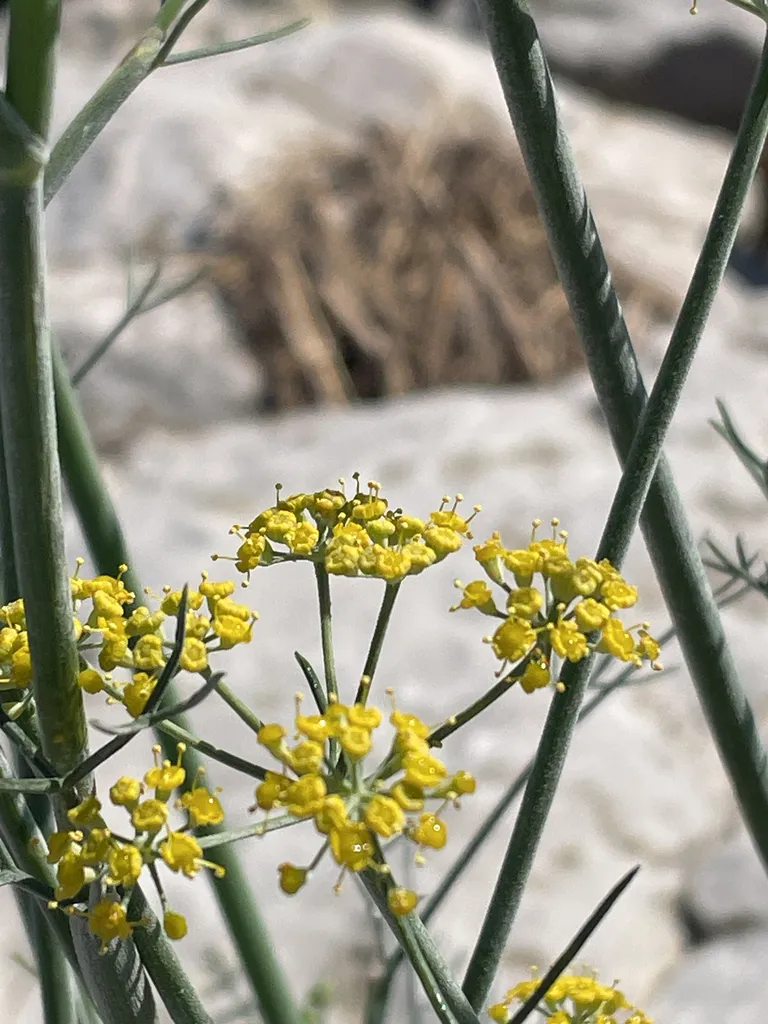
Foeniculum vulgare
Robust, upright, aromatic perennial plant to 1.8m tall, with 3 to 4 pinnate mid-green leaves composed of hair-like segments, and branching stems bearing flat umbels of small yellow flowers in summer; both leaves and fruits are aniseed-scent
Learn more →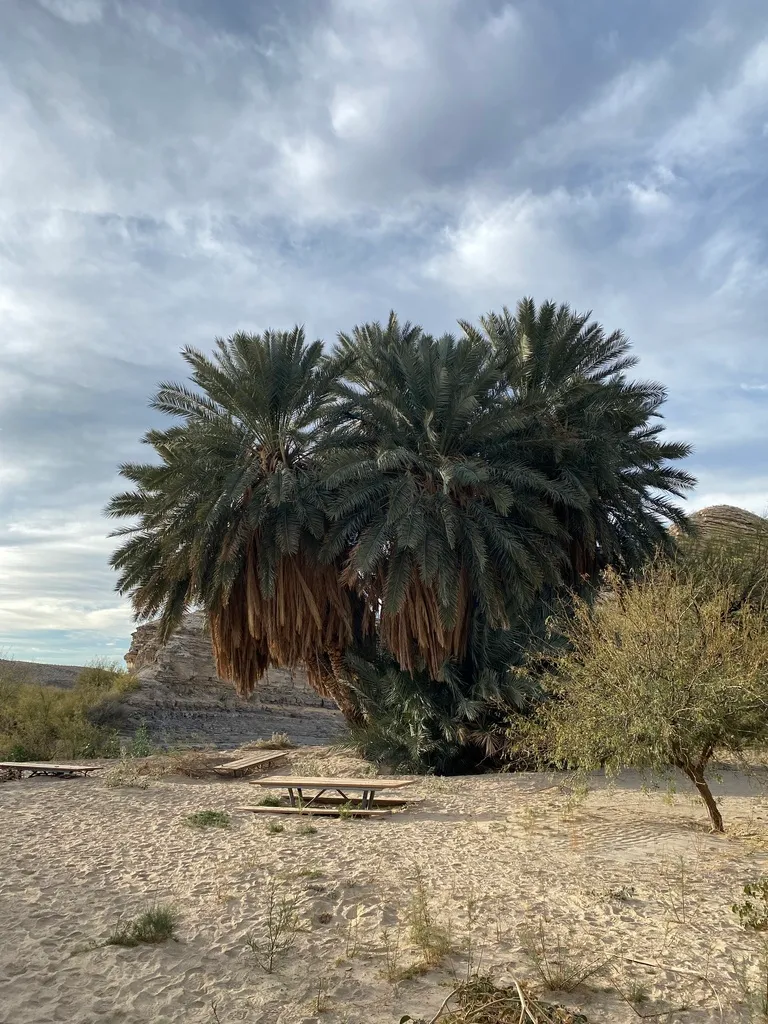
Phoenix dactylifera
A tall, tender palm with elegant, arching leaves composed of many linear, grey-green leaflets. In its native environments it produces 1-2m long flower spikes from the crown of the tree; these are followed by sweet, edible fruits (dates)
Learn more →